Diabetes care is evolving at record speed. Major companies are refocusing. Scientists are unraveling hidden damage. Lawmakers want to expand access. Patients are finding fresh ways to manage risk and complications.
In this roundup, we dig into 12 top developments you should know. Each one could change how you track glucose, protect your nerves, or even cash in unused test strips.
1. Medtronic Spins Off Its Diabetes Unit
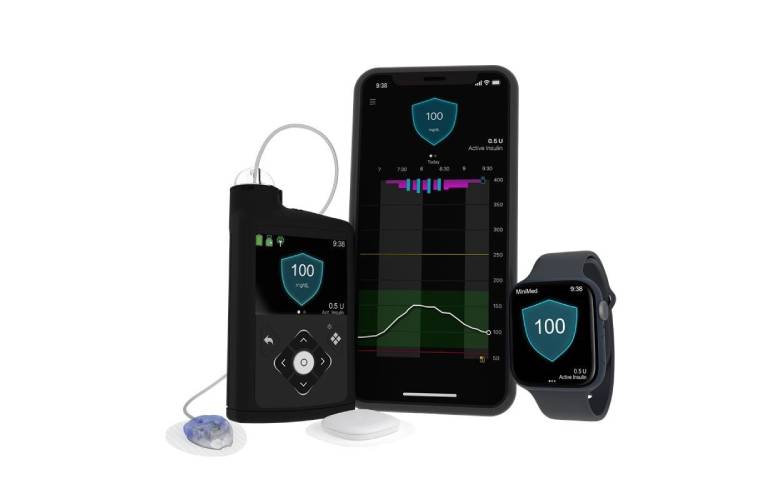
Medtronic, a global leader in medical devices, will separate its Diabetes business into a standalone company led by Que Dallara. The move aims to speed innovation in insulin pumps, automated delivery systems, and smart MDI. The spin-off, expected within 12–18 months, is tax-free for U.S. shareholders and covers a team of over 8,000.
Why it matters: A leaner diabetes company could push out better devices faster, improving blood glucose monitoring and insulin therapy for millions.
2. Century-Old Nerve Damage Mystery Solved
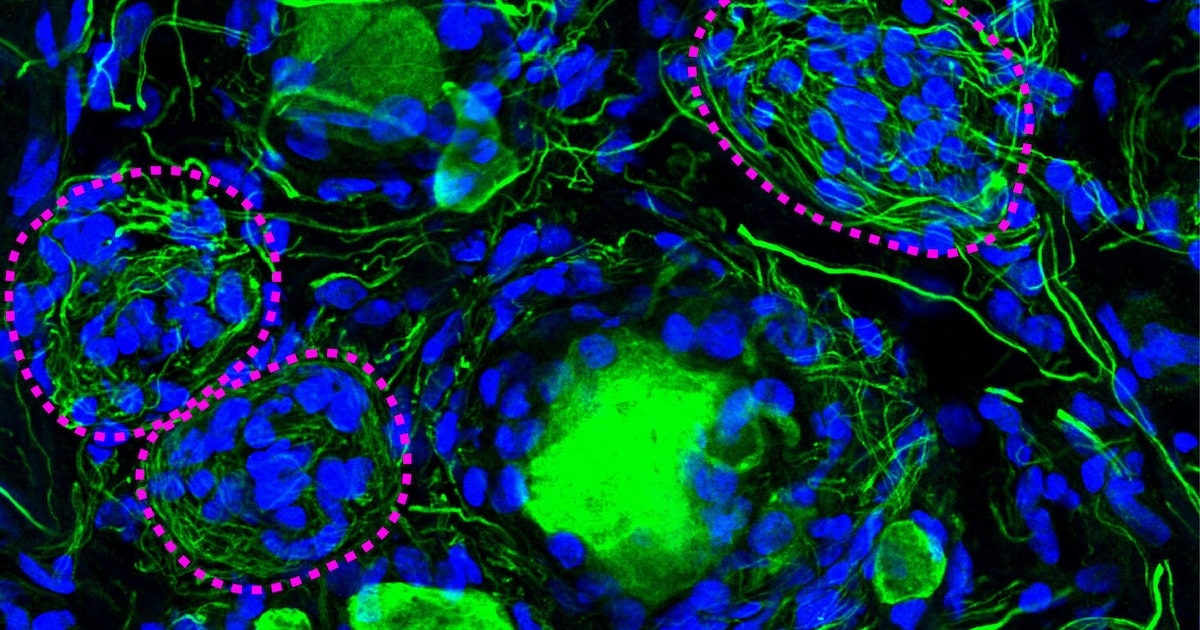
UTD researchers used spatial sequencing on 90 dorsal root ganglia to uncover Nageotte nodules—tiny dead neuron clusters surrounded by support cells. These nodules are abundant in donors with diabetic peripheral neuropathy, offering clues to why nerves misfire and cause pain.
Why it matters: Understanding these nodules could lead to therapies that stop or reverse neuropathy, easing numbness, tingling, and painful sensations.
3. Better Risk Tools: SCORE2-Diabetes & TyG Index
- SCORE2-Diabetes: In 179 type 2 patients, this new 10-year cardiovascular risk model better predicted carotid plaque and arterial stiffness. (cardiab.biomedcentral.com)
- Triglyceride-Glucose (TyG) Index: Among 628 T2DM patients with hyperuricemia, a TyG >8.40 sharply raised the risk of major events. Adding TyG to standard models pinpointed high-risk cases. (cardiab.biomedcentral.com)
Why it matters: These tools help you and your doctor spot heart and stroke danger early. That leads to tighter glucose control, blood pressure and cholesterol management.
4. Spotlight on Women’s Heart Health
A narrative review found women with type 1 diabetes face a 2–5× higher CVD death risk than the general population, especially after early-onset T1D. Factors range from hormone changes to autoimmune links. (cardiab.biomedcentral.com)
Why it matters: Women need targeted screenings and interventions—regular heart checks, A1C monitoring, and lifestyle support—to close this gap.
5. Bill to Expand Therapeutic Shoes Coverage
Senators Shaheen and Collins introduced legislation to boost Medicare funding for therapeutic shoes. These shoes reduce ulcers, infections, and amputations by supporting sensitive diabetic feet. (nashuatelegraph.com)
Why it matters: Improved access means fewer complications, lower hospital bills, and better quality of life.

6. Digital Platform Trial: TreC Diabete
The TELEMECHRON randomized trial tested a smartphone app on 103 uncontrolled T2D patients. After 12 months, HbA1c change was similar to controls, but users rated usability 95/100. (frontiersin.org)
Why it matters: High satisfaction shows digital tools can engage patients—provided tech issues and training gaps are solved.

7. OSA Speeds Up Diabetic Retinopathy
Obstructive sleep apnea worsens nonproliferative diabetic retinopathy. In 23,862 patients, OSA raised risks of vision-threatening complications, stroke, and death. Researchers urge sleep apnea screening in eye clinics. (physiciansweekly.com)
Why it matters: Treating OSA with CPAP or oral devices could slow vision loss in diabetes.
8. Anti-Diabetic Drug vs. Prostate Cancer
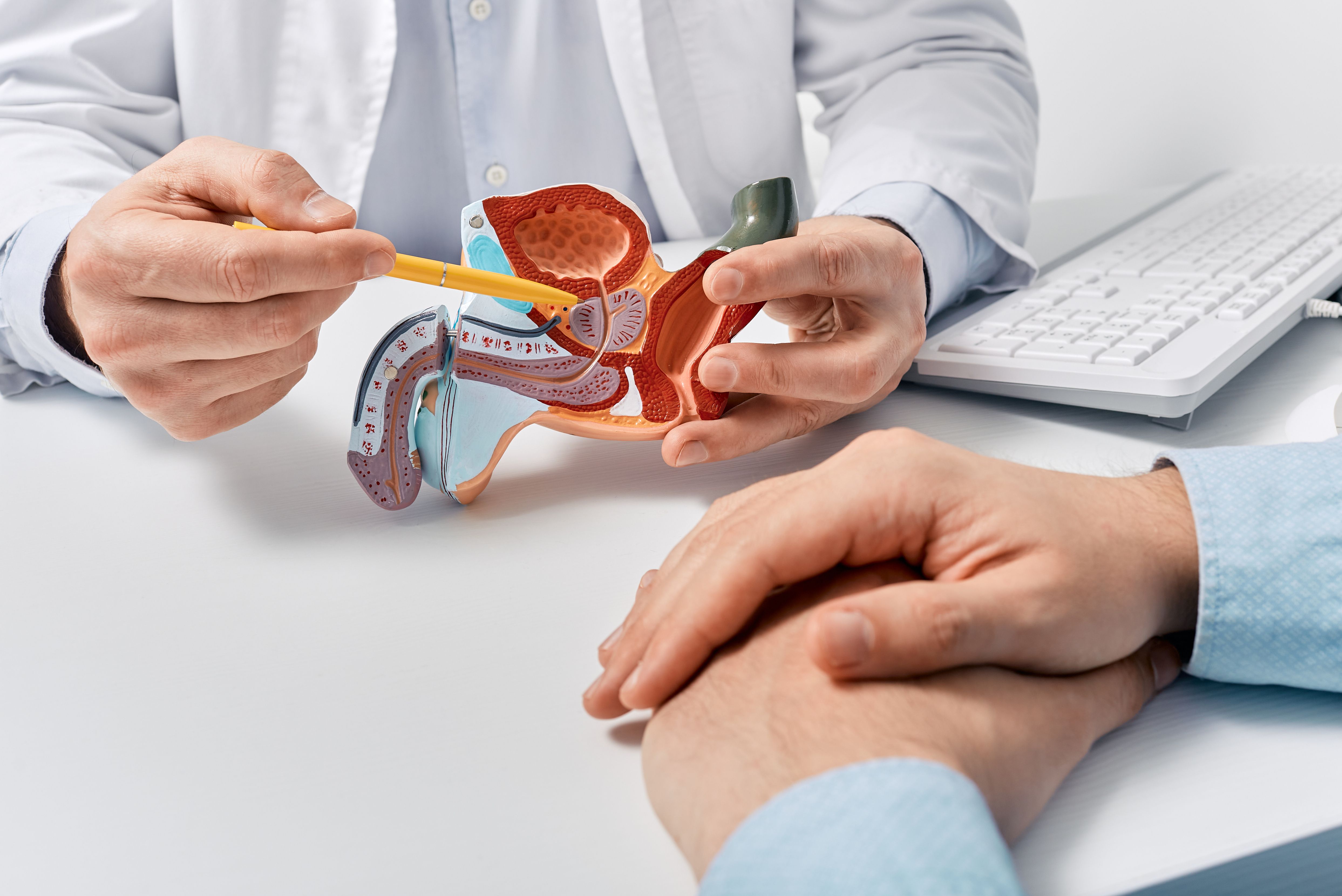
Lab and animal studies show pioglitazone slows prostate tumor growth by downregulating PPARγ and shifting cells to a less aggressive form. (pharmacytimes.com)
Why it matters: For men with T2D and prostate cancer, pioglitazone might dual-target both conditions in future clinical trials.
9. Expert Q&A: Retinal Nonperfusion
Dr. Yasha Modi explains that areas without blood flow in the retina can cause sight loss in diabetic retinopathy. Advanced OCT imaging finds nonperfusion early. Laser photocoagulation can block growth of abnormal vessels. (ophthalmologytimes.com)
Why it matters: Early detection preserves vision—ask your eye doctor about OCT if you have any retinopathy signs.

10. DKA: Pharmacist’s Guide
Diabetic ketoacidosis is a medical emergency. Treatment focuses on fluids, insulin, and electrolytes. Replace half the fluid deficit in 8–12 hours and monitor for cerebral edema. (pharmacytimes.com)
Why it matters: Recognizing early signs—abdominal pain, deep breathing, confusion—can save lives. Keep clear sick-day rules and emergency contacts handy.
11. AI Prediction of Peripheral Neuropathy
A machine learning model trained on 1,082 T2DM patients predicts neuropathy risk with 0.933 AUC. Top factors: diabetes duration, HbA1c, uric acid, hypertension. (frontiersin.org)
Why it matters: Clinicians can use this tool to flag high-risk patients and start nerve-protective strategies before symptoms start.
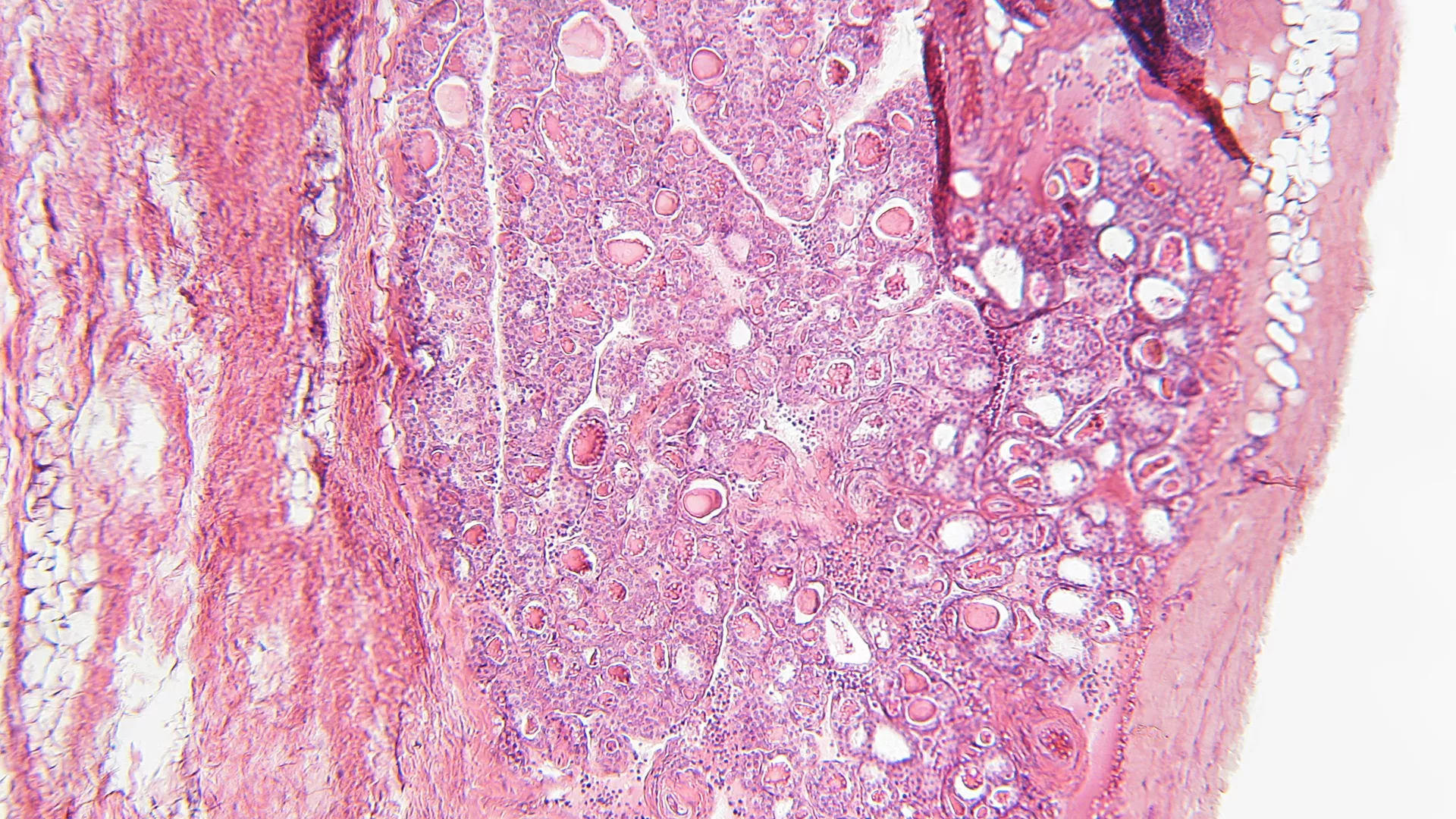
12. New Insights on Diabetic Bone & Kidney Health
- Osteoporosis: Extracellular vesicles and biomarkers like IGF-1 may improve early detection of bone fragility. (frontiersin.org)
- Kidney Disease: Targeting cell-death pathways (apoptosis, pyroptosis, ferroptosis) shows promise. Some SGLT2 and GLP-1 drugs may protect renal cells. (frontiersin.org)
Why it matters: Monitoring bone markers and choosing kidney-protective medications can lower fracture and dialysis risk.
Bring Value to Your Supplies
With all these advances, unused diabetic supplies can sit idle while you invest in new tech. DiabeticSupplies.Online buys unused test strips, CGM sensors, pumps, and more—for cash by mail. Turn your extra supplies into money for co-pays, medications, or healthy groceries today.
FAQ – People Also Ask
How soon will Medtronic spin off its diabetes business?
Medtronic expects to complete the separation in 12–18 months, pending regulatory approvals and capital market transactions.
Can the TREc Diabete app lower my A1C?
In the TELEMECHRON trial, A1C change was similar between app users and controls, but satisfaction was high. Success may depend on tech support and education.
What is the TyG index for diabetes?
The TyG index combines triglyceride and glucose levels. A value above 8.40 predicts higher cardiovascular event risk in T2DM with hyperuricemia.
Why screen for OSA in diabetic retinopathy?
Sleep apnea worsens eye damage and raises stroke risk. Early CPAP or dental device treatment can slow retinopathy progression.
How do I sell my unused diabetic supplies?
Visit DiabeticSupplies.Online, submit your inventory, ship supplies by mail, and get paid—often within days. It’s safe, legal, and eco-friendly.