Every day, new research and policies reshape diabetes care. Today’s updates span cutting-edge drugs, lifestyle tips, and law changes. Whether you worry about vision loss or want better ways to prevent type 2 diabetes, these developments matter. Read on to learn 13 breakthroughs and how they affect your health and wallet.
1. Eye Health: VEGF Inhibitors Market on the Rise
The global market for anti-VEGF therapies in diabetic retinopathy is set to grow at a 6.8% CAGR through 2034. Drugs like ranibizumab, aflibercept (Eylea), and bevacizumab are the standard of care for both diabetic macular edema and proliferative diabetic retinopathy. Early use in non-proliferative stages can prevent vision-threatening disease. Experts expect aflibercept to lead growth due to strong clinical results.

Why it matters:
Better access to therapies means fewer laser treatments and injections. Watch for lower costs as biosimilars enter the market.
2. HIV Drug Lamivudine Shows Promise Against Diabetic Macular Edema
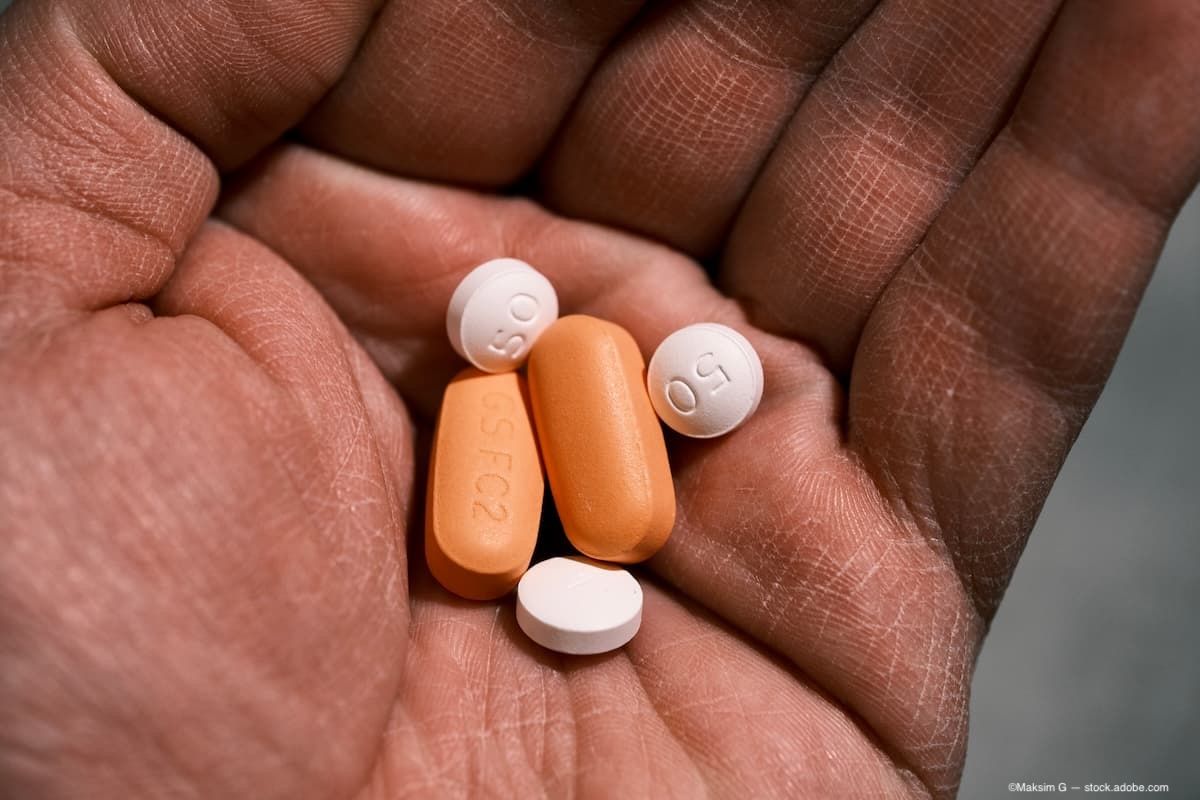
A recent trial found that the HIV drug lamivudine can reduce retinal swelling in diabetic macular edema. Patients receiving lamivudine saw a significant drop in retina thickness versus placebo. Side effects were minimal.
Why it matters:
This repurposed treatment could offer a low-cost option for vision preservation. Keep an eye on further trials.
3. GLP-1 Agonists and Macular Degeneration Risk
New data link GLP-1 receptor agonists to a doubled risk of neovascular age-related macular degeneration (nAMD). Patients on drugs like semaglutide and dulaglutide had twice the chance of abnormal vessel growth under the retina. The authors urge regular eye exams for people on these drugs.
Source: wordpress-1455827-5472931.cloudwaysapps.com
Why it matters:
If you use a GLP-1 medication, talk to your eye doctor. Early detection can save vision.
4. Nageotte Nodules: A New Marker in Diabetic Neuropathy
Researchers at the University of Texas at Dallas identified Nageotte nodules—tiny cell clusters—as markers of nerve cell death in diabetic neuropathy. Published in Nature Communications, the study found these nodules correlate with nerve loss in sensory ganglia.

Why it matters:
This discovery could lead to tests that spot neuropathy early. That means faster pain relief and better nerve health.
5. Diabetes Drug Cuts Prostate Cancer Recurrence
An international team led by Umeå University found certain diabetes medications may lower prostate cancer return rates. These drugs regulate a protein that influences cancer cell behavior. Diabetic men on the meds saw fewer recurrences than those not taking them.
Source: wordpress-1455827-5472931.cloudwaysapps.com
Why it matters:
If you have diabetes and prostate cancer history, ask your doctor about these drugs. They might cut your cancer risk.
6. SGLT2 Inhibitors: Beyond Blood Sugar
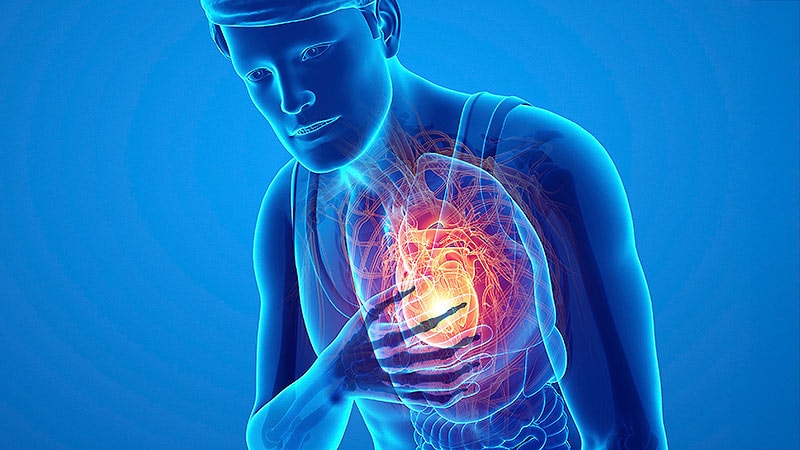
SGLT2 inhibitors were first approved to lower glucose. Now they protect the heart, even in people without diabetes. Guidelines recommend them for heart failure with reduced ejection fraction (HFrEF) and, to a lesser extent, preserved ejection fraction (HFpEF).
Why it matters:
If you have heart failure or high diabetes risk, ask about SGLT2 inhibitors. They cut hospital stays and save lives.
7. Metformin: Slowing Aging?
In primate studies, metformin activated antioxidant genes in the brain and slowed aging in organs like the heart, liver, and muscles. The work used machine learning to track biological age markers.

Why it matters:
Metformin might protect against age-related decline and boost brain health. Clinical trials in humans are on the horizon.
8. Pancreatic Gene Therapy to Prevent Diabetes
At the ADA’s 85th Scientific Sessions, Fractyl Health will show preclinical data for Rejuva Smart GLP-1 gene therapy. A single dose in mice prevented obesity and diabetes on a high-fat diet.

Why it matters:
If this works in humans, a one-time treatment could stop type 2 diabetes before it starts.
9. FGF1: A New Hormone for Diabetes Prevention
Scientists at the Salk Institute found FGF1, a growth factor, can regulate blood sugar like insulin but via a different pathway. Early work shows it may prevent type 2 diabetes by blocking fat breakdown and lowering glucose.
Why it matters:
FGF1 could offer new options for people with prediabetes to lower their risk and keep blood sugar steady.
10. Meal, Sleep, and Activity Timing Matters
A study in npj Digital Medicine looked at people at risk for type 2 diabetes. It found that eating more calories between 2–5 pm links to lower fasting glucose. Eating late (5–9 pm) linked to more time in high blood sugar. Sleep variability raised nighttime glucose, and inconsistent exercise spiked hyperglycemia.

Why it matters:
Shift your meals earlier, keep sleep and activity consistent. Small timing tweaks can cut diabetes risk.
11. Sugary Drinks vs. Solids: A Big Risk Gap
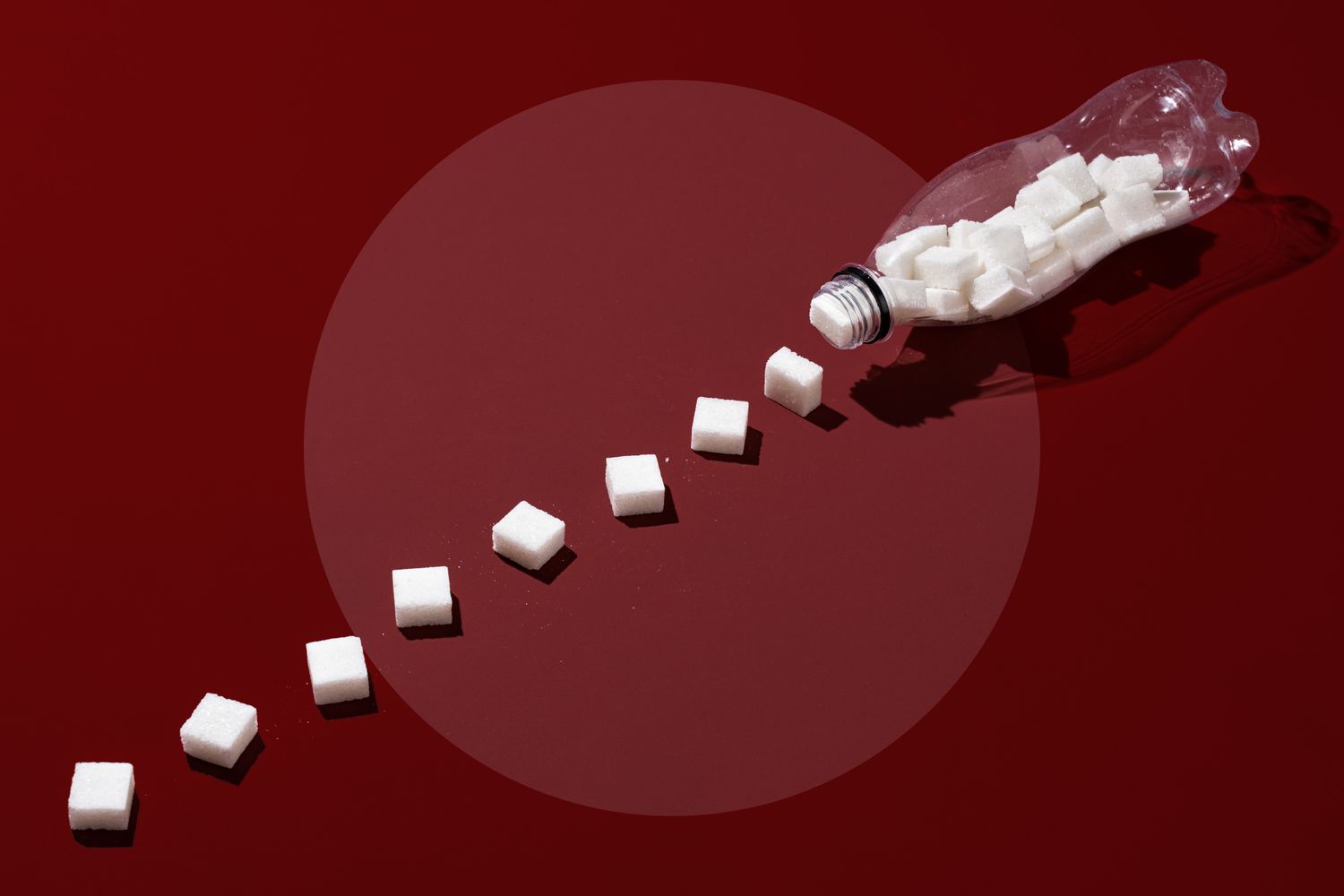
A global study of 500,000 adults found each 12-ounce sugary drink serving raises type 2 diabetes risk by 25%. Juice raises it by 5%. Liquid sugars spike blood sugar faster because they lack fiber, fat, and protein.
Why it matters:
Water and unsweetened coconut water are better bets. Cut back on sodas to protect your pancreas.
12. Diet Sodas May Backfire
The CARDIA study linked heavy diet drink use to a 129% higher diabetes risk. High saccharin intake also upped risk by 110%. Researchers suggest artificial sweeteners may harm metabolism.

Why it matters:
Think twice before swapping sugar soda for diet. Plain water and coconut water are safer.
13. Policy Wins and Research Funding
- New York State Senate passed S634B to cover free diabetes screenings for Asian Americans with BMI ≥23. That removes out-of-pocket costs and boosts early detection. (nysenate.gov)
- Oregon Health & Science University’s Harold Schnitzer Diabetes Health Center got a $2.1 million gift to drive research and patient care. Funds will train new diabetes investigators and launch personalized care projects. (news.ohsu.edu)
Why it matters:
More funding and policy shifts mean better access to screening and innovative research. That translates to lives saved.
FAQs – People Also Ask
What are VEGF inhibitors and how do they help diabetic retinopathy?
VEGF inhibitors block a protein that causes abnormal blood vessels in the retina. Drugs like aflibercept and ranibizumab reduce swelling and prevent vision loss in diabetic macular edema and proliferative diabetic retinopathy.
Can a diabetes drug really lower prostate cancer recurrence?
Yes. Certain diabetes medications regulate proteins that affect cancer cell growth. Early data suggest lower prostate cancer return rates in diabetic men on these drugs.
How does meal timing affect diabetes risk?
Eating more calories earlier in the afternoon (2–5 pm) is linked to lower fasting glucose. Late meals (5–9 pm) are tied to more hyperglycemia. Consistent sleep and exercise patterns also help manage blood sugar.
Why might diet sodas increase diabetes risk?
Artificial sweeteners can disrupt gut microbiota and impair insulin response. Studies show a strong association between high diet drink intake and new-onset type 2 diabetes.
How can I sell my unused diabetic supplies for cash?
If you have extra test strips, insulin pump supplies, or CGM sensors, DiabeticSupplies.Online will buy them. Get money for diabetic supplies near me. Sell diabetic supplies for cash by mail and free up space while earning cash.