Diabetes care is evolving fast. Today we look at seven breakthroughs that can help you eat better, move smarter, spot complications early and even earn cash from unused supplies. Read on for fresh ideas on diet, free classes, new research, wearable tech and more.
1. A Low-Carb Diet That Feels Simple and Satisfying
Cutting carbs doesn’t mean cutting joy. Experts suggest aiming for about 130 grams of carbs per day. Focus on whole foods: non-starchy veggies, lean protein and healthy fats.

Key tips from womansworld.com:
- Use the Diabetes Plate model: half veggies, one quarter protein, one quarter quality carbs.
- Pair each carb with protein or fat to slow blood sugar spikes.
- Include foods high in magnesium, chromium and zinc for better insulin sensitivity.
- Choose whole grains, beans and colorful produce for fiber.
This approach supports weight loss, steadier blood glucose and lasting energy.
2. Free Texas A&M Diabetes Resource Class
If you live near Bryan, Texas, consider the five-part “Do Well, Be Well with Diabetes” series. Hosted by Texas A&M AgriLife Extension, these classes cover carb counting, exercise, medication management and complication prevention.
Date: Fridays, May 30–June 20
Location: Brazos County Extension Office
Cost: Free (must attend all 5 sessions)
Sign up: Call 979-823-0129 or visit the office website.
These in-person workshops can boost your confidence in managing blood sugar and prevent issues down the road.
3. Smartwatches: Your New Exercise Coach
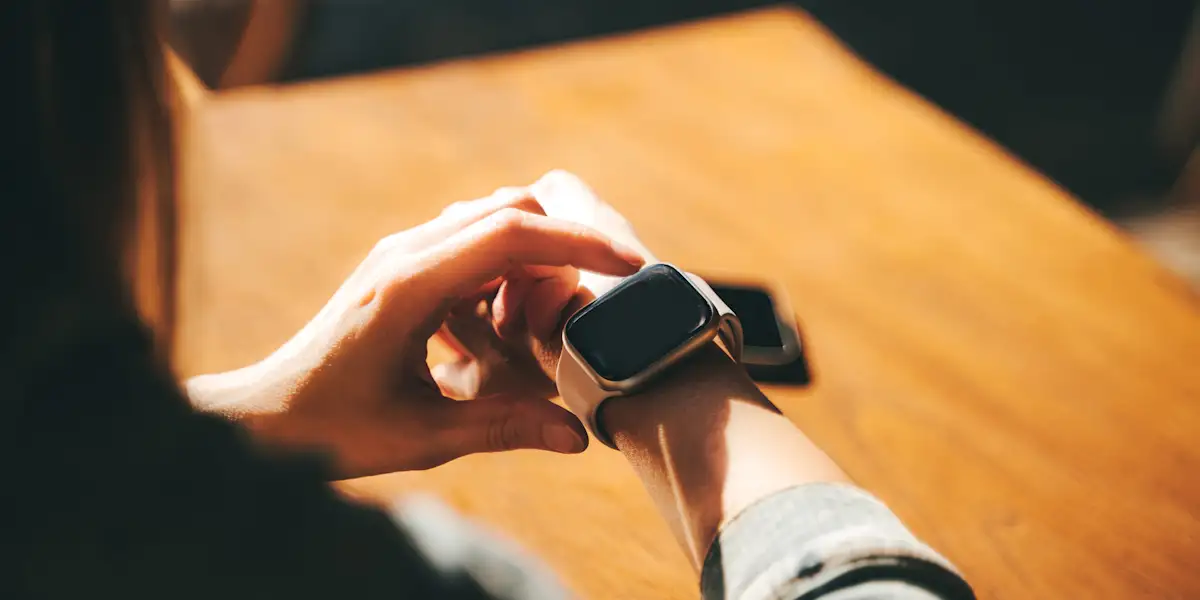
Wearable tech isn’t just a trend. A new HealthCentral study shows smartwatches can nudge you to move more. By tracking steps, workouts and heart rate, they help you hit activity goals that improve insulin sensitivity.
- Set reminders to stand or walk every hour.
- Monitor intensity and calories burned.
- Link data with your glucose meter or app.
Regular movement is key for Type 2 diabetes control. A smartwatch turns that goal into an easy habit.
4. Why Non-Diabetics Should Skip CGMs
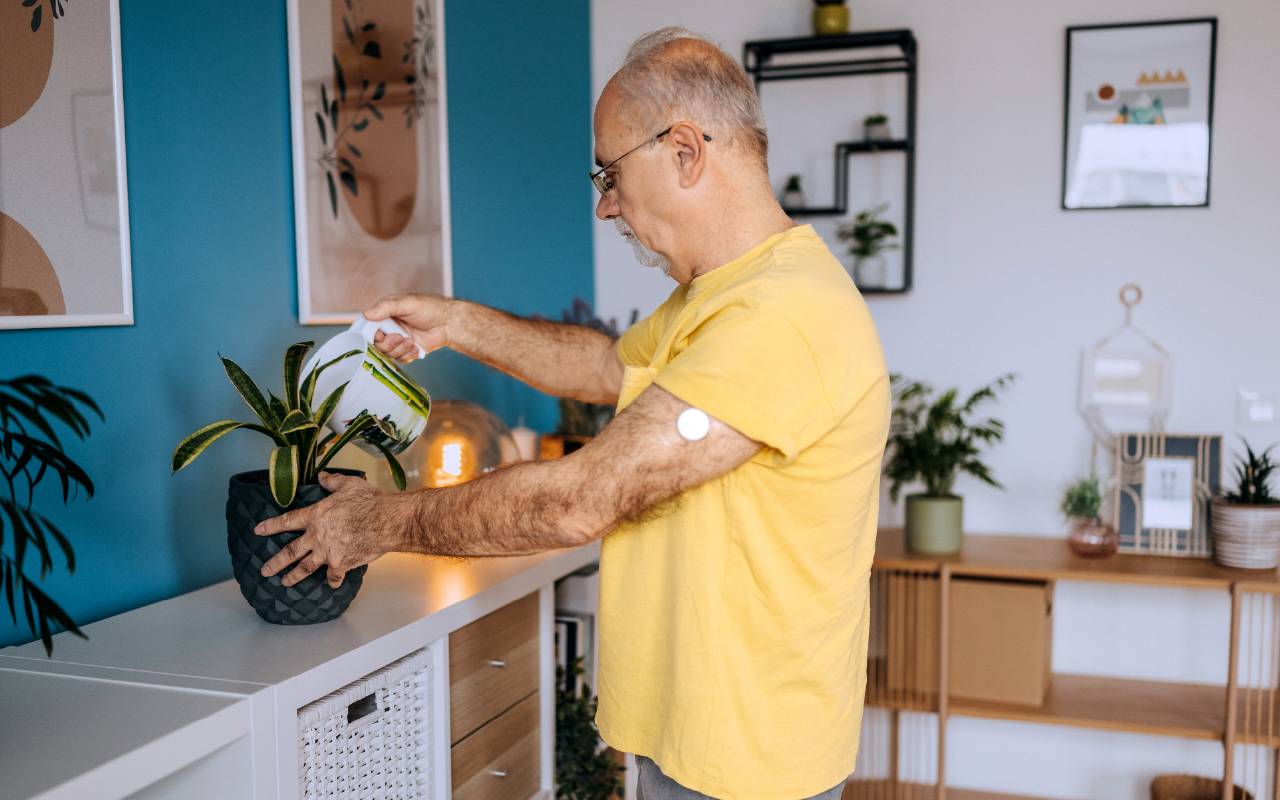
Continuous glucose monitors (CGMs) are life-changing for diabetics. But research warns that using CGMs if you’re not diabetic can give misleading results. A study in NextAvenue found CGMs overestimate glucose spikes and time above targets by up to 400% for healthy people.
- Fruit and smoothies looked worse than they are.
- High alarms cause stress and unnecessary diet changes.
- Finger-prick tests remain more accurate for non-diabetics.
If you don’t have diabetes or pre-diabetes, stick to standard blood sugar tests.
5. Surprising Brain Discovery Points to New Treatments
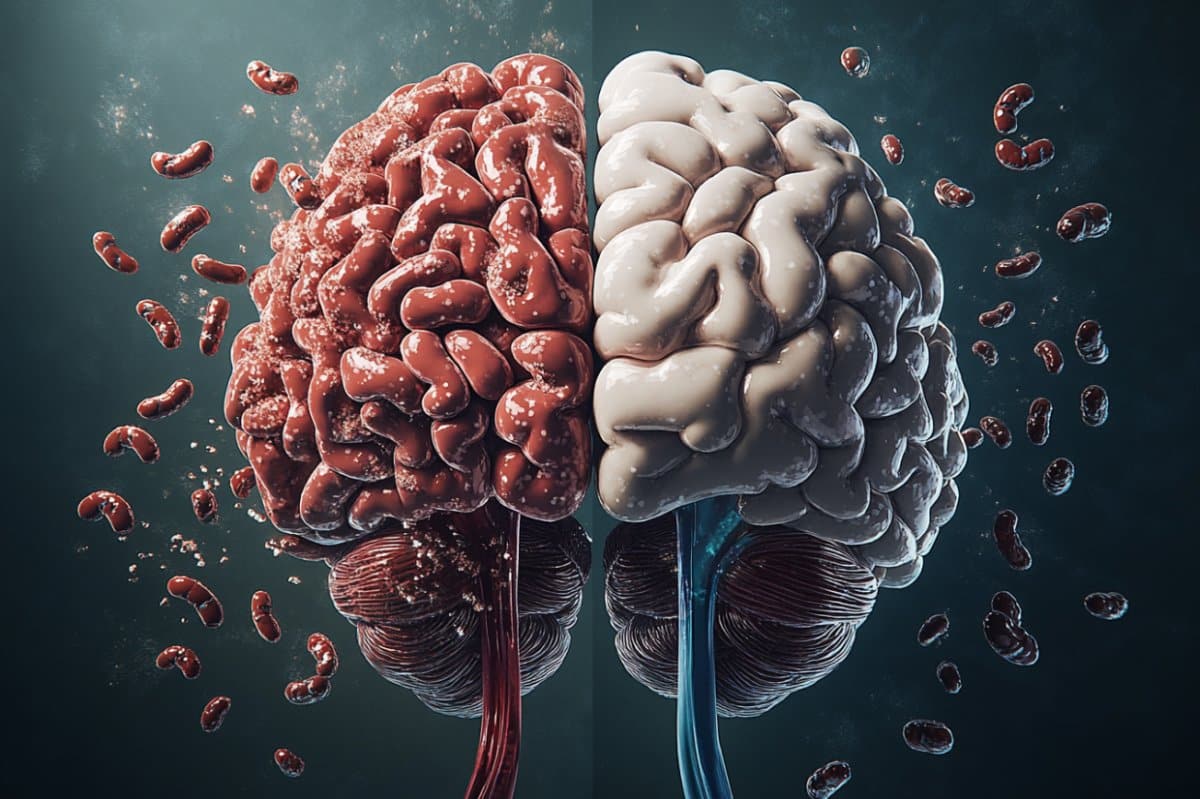
A study in NeuroscienceNews reveals that activating AgRP neurons in the hypothalamus drives high blood sugar in type 2 diabetes, even without obesity. In mice, turning off these neurons normalized glucose levels for months without weight loss.
Why it matters:
- Challenges the idea that obesity alone causes diabetes.
- Opens doors to brain-targeted drugs.
- Could work for patients who struggle with diet or weight.
More research is needed, but this may lead to powerful new therapies down the line.
6. New Optical Imaging for Early Kidney Disease

Researchers at UC San Diego and Washington University have created a label-free optical biopsy. It uses lasers and AI to scan kidney tissue in 3D. Key signs like fat buildup, protein changes and scarring show up much earlier than with standard methods.
This tech could transform diabetic nephropathy care by:
- Spotting damage before symptoms appear.
- Tracking treatment success in real time.
- Reducing the need for invasive biopsies.
Early detection means better outcomes and fewer dialysis or transplant needs.
7. The Diabetes Paradox: Health Up, Work Prospects Down
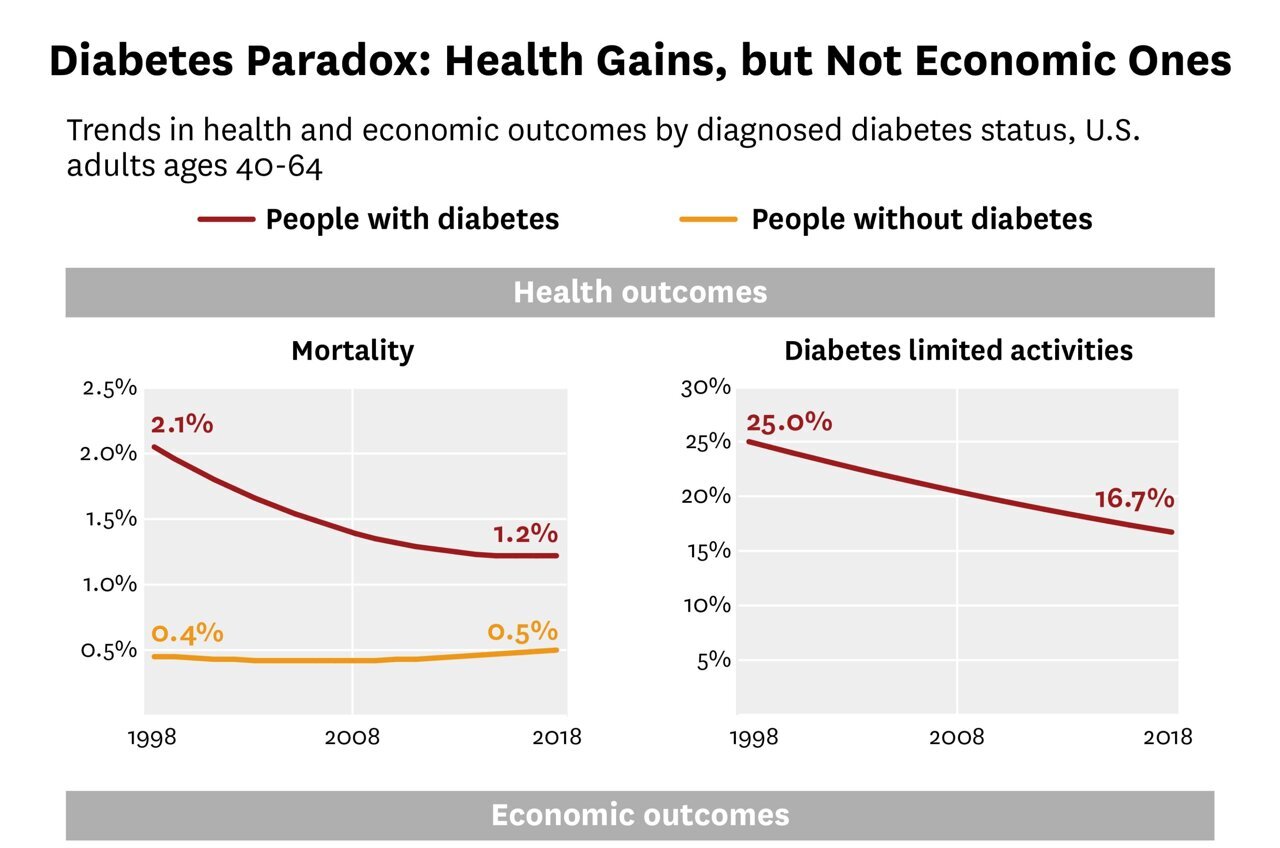
Two studies in AJMC and MedicalXpress reveal a troubling trend. Over 20 years, health outcomes for people with diabetes have improved. Yet workforce participation hasn’t budged. Many still claim disability or struggle to keep jobs.
Contributing factors:
- Ongoing complications that sideline work.
- Time demands of daily diabetes management.
- Educational and workplace barriers.
Researchers urge policies that support flexible schedules, on-site glucose monitoring and anti-obesity meds for prevention.
FAQ – People Also Ask
How many carbs should a diabetic eat daily?
Experts recommend around 130 grams of carbs per day, paired with protein and healthy fats to maintain stable blood sugar.
Can a smartwatch really improve my diabetes management?
Yes. Smartwatches track activity, remind you to move, and sync data with apps to help you stay on target for better glucose control.
What is label-free optical imaging for kidneys?
It’s a new laser-based scan that shows 3D images of kidney tissue without dyes. It can detect early changes in diabetic nephropathy.
Should non-diabetics use a CGM?
No. Studies show CGMs can give inaccurate readings for healthy people. Finger-prick tests are more reliable if you’re not diabetic.
What can I do with unused diabetic supplies?
If you have extra test strips, lancets or pumps, sell them to a trusted company like DiabeticSupplies.Online. You get cash and help reduce waste.
Got unopened test strips or an extra insulin pump? Turn them into cash now. Visit DiabeticSupplies.Online to sell unused diabetic supplies for cash today.