Diabetes care is changing fast. Today, a First Nations chef shares healthy cooking tips. At the same time, scientists are finding new uses for old drugs and exploring groundbreaking therapies. Whether you want advanced diabetic supplies or simple home strategies, these seven stories offer hope and practical ideas. Read on to see how food, medicine, and research can work together to improve your blood sugar management.
1. Traditional Healing Through Indigenous Cuisine
For Kirk Ermine, a chef from Sturgeon Lake First Nation, food is more than fuel. Diagnosed with juvenile Type 1 diabetes at 21, he found insulin alone wasn’t enough. He turned to the land. He now teaches healthy cooking using traditional Indigenous ingredients. Sweet potatoes, game meats, and pemmican top his recipes. By focusing on nutrient density and flavor, he helps people see healthy eating as a joy, not a chore.
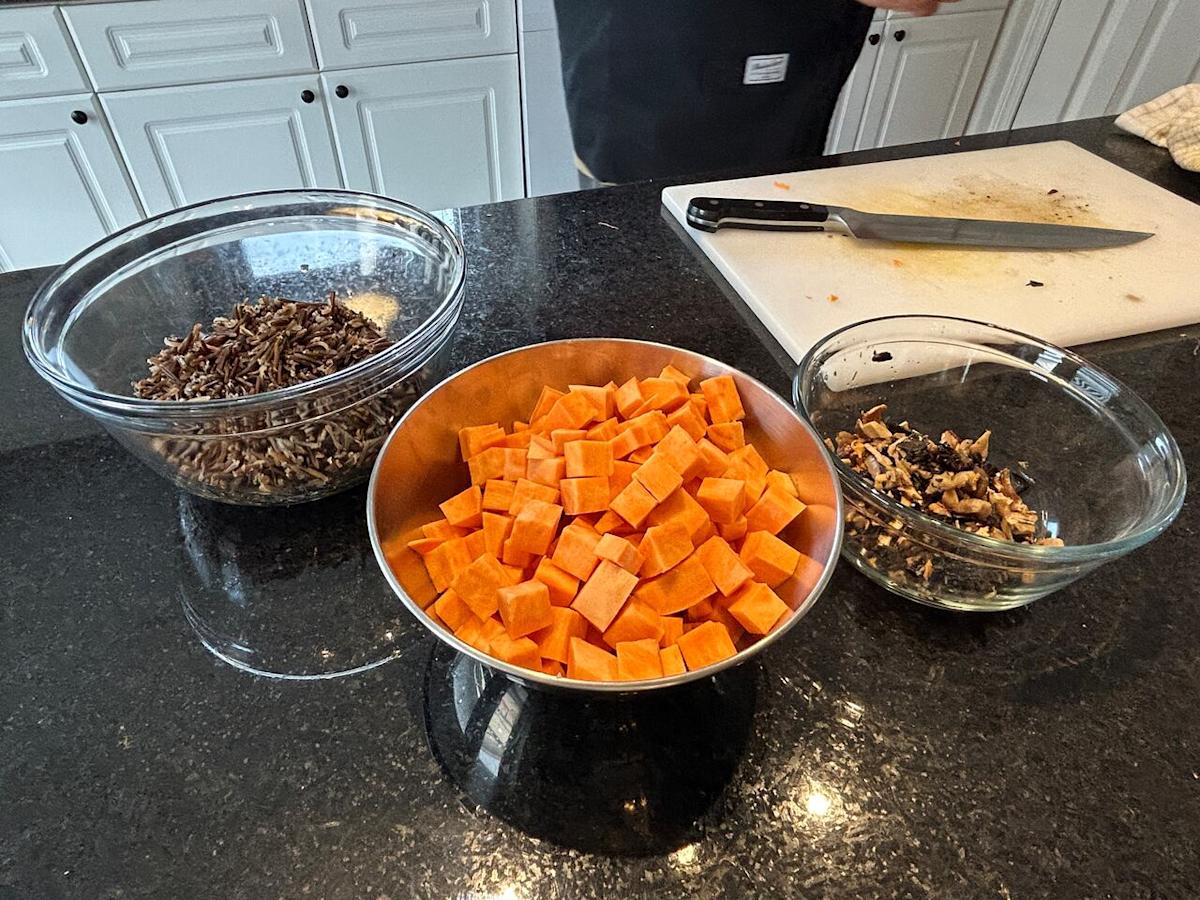
Ermine runs workshops and cultural camps where he shows simple steps for balanced meals. He seasons game meat with wild herbs. He uses root vegetables to boost fiber and lower glycemic impact. Each meal is designed to support stable blood glucose. His flights of culinary creativity demonstrate that advanced diabetic supplies alone aren’t enough—diet matters too.
Why it matters: Traditional ingredients are often overlooked in diabetic diets. They can be low in refined carbs and high in fiber, protein, and healthy fats. Learning from Ermine means embracing recipes that honor culture and support glucose control.
2. Repurposed HIV Drugs for Diabetic Eye Disease
Diabetic retinopathy and macular edema are leading causes of blindness in people with diabetes. Standard treatment involves regular eye injections. Now, studies suggest two cheap HIV drugs could offer an alternative.

Researchers found that tenofovir, an antiretroviral used in HIV therapy, reduced inflammation and oxidative stress in the eye. Early results show slowed progression of diabetic retinopathy (southernminn.com).
Separately, lamivudine—another HIV pill—showed promise in reversing vision loss from diabetic macular edema (DME). Patients taking lamivudine saw marked improvement in visual acuity compared to those relying on injections (hpenews.com, elkharttruth.com).
- Lower cost than injections
- Pill form, easier access
- Potential to reduce inflammation over time
Why it matters: Eye injections are invasive and expensive. A pill could mean wider access to diabetic eye disease treatment. Patients looking for more affordable options should follow this research closely.
3. Low-Cost Strategies to Prevent Type 2 Diabetes
Prevention is key. Two simple habits could cut your risk of Type 2 diabetes. A recent study in Italy found that taking a daily low-dose aspirin reduced diabetes risk by 52% during the COVID-19 pandemic (news-medical.net).
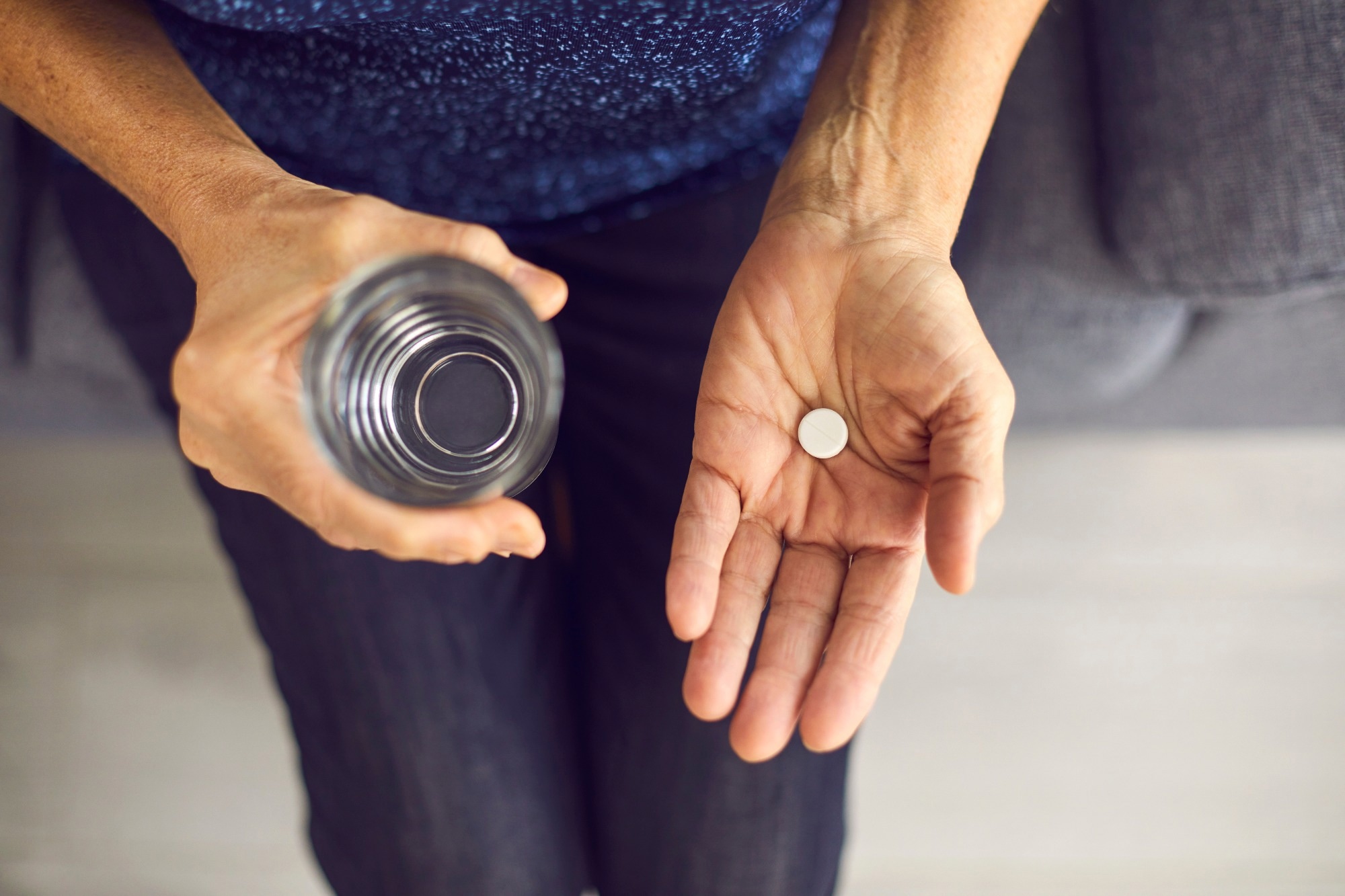
However, aspirin can increase bleeding risk. Talk to your doctor before starting any over-the-counter medication.
Another study linked high ocean microplastics to greater prevalence of diabetes, stroke, and heart disease near US coasts (news-medical.net). Researchers adjusted for demographics and healthcare access. They found a 5-6% higher diabetes rate in counties with very high microplastics. This highlights the need for clean environments and policy action.
Midlife vascular health also plays a role in long-term dementia risk. High blood pressure, diabetes, and smoking in midlife accounted for up to 44% of dementia cases by age 80 (Medical News Today). Maintaining healthy blood sugar and blood pressure can protect both your brain and your heart.
4. Cutting-Edge Therapies and Research Highlights
Diabetes research never stops. Here are four promising developments:
- Imeglimin at ADA 2025: Poxel SA will share five presentations on imeglimin (TWYMEEG) at the American Diabetes Association meeting. Early trials show benefits for type 2 diabetes and related conditions (biospace.com).
- Astaxanthin for Heart and Kidney Health: In rats, astaxanthin improved cardiac and renal function, reduced oxidative stress, and restored ECG parameters in a model of diabetic cardiomyopathy and nephropathy (nature.com).
- Sulfonylurea Resistance: Long-term use of sulfonylureas may trigger SK3 protein upregulation, leading to reduced drug effectiveness. This study explains why some patients experience secondary treatment failure (nature.com).
- Metformin Slows Aging: Research in Cynomolgus monkeys suggests metformin may protect organs, improve cognitive function, and slow signs of aging—apart from its blood sugar effects (thebrighterside.news).
Additional VA research highlights include a compound that stabilizes GAS5 for better insulin regulation and a coaching intervention that cut kidney injury risk by 40% after cardiac procedures (news.va.gov).
5. Real-Life Inspiration: Type 1 Ultra-Trail Runners
Can Type 1 diabetics master ultra-trail running? A Medscape study explored 13 elite athletes with T1D. They learned self-understanding, motivation, and glucose management on the trail. Digital communities on social media and WhatsApp provide peer support. This shows the power of community in diabetes care (medscape.com).
6. Building Future Diabetes Care: UNMC Center of Excellence
The University of Nebraska Medical Center regents approved a Diabetes Center of Excellence. It will train the next generation of physicians and researchers. With distance learning and community outreach, UNMC aims to raise awareness and drive innovation across Nebraska (unmc.edu).
7. Make the Most of Your Supplies
Unused diabetic test strips, insulin pens, and meters can sit in a drawer. Yet they still have value. DiabeticSupplies.Online offers cash for diabetic supplies. We buy diabetic supplies online, including unopened and expired items. It’s easy to sell diabetic supplies for cash. Mail in your supplies and get paid fast. Turn clutter into money for supplies you need today.
Have unused diabetic supplies? Visit DiabeticSupplies.Online now to sell diabetic test strips and more for cash.
FAQ – People Also Ask
How can I sell my unused diabetic supplies for cash?
You can mail unopened test strips, lancets, and other items to companies like DiabeticSupplies.Online. They pay cash fast and cover your shipping costs. This helps you clear clutter and get money to buy the supplies you need.
Are HIV drugs really effective against diabetic eye disease?
Early studies show that antiretrovirals like tenofovir and lamivudine reduce inflammation and oxidative stress in the eye. This may slow or reverse diabetic retinopathy and macular edema. More research is underway, but these drugs could offer a low-cost alternative to injections.
Can traditional Indigenous ingredients help manage diabetes?
Yes. Ingredients like sweet potatoes, game meats, and wild herbs can be low in refined carbs and high in nutrients. First Nations chef Kirk Ermine teaches recipes that focus on balanced meals, which support stable blood sugar levels.
Does low-dose aspirin lower diabetes risk?
A study of over 200,000 adults found that daily low-dose aspirin during the COVID-19 pandemic cut Type 2 diabetes risk by about half. However, aspirin can increase bleeding risk, so consult your doctor first.
What new research is shaping the future of diabetes care?
From imeglimin presentations at ADA 2025 to metformin’s anti-aging effects and studies on sulfonylurea resistance, researchers are exploring therapies that go beyond blood sugar control. Keep an eye on medical journals and conference updates for the latest breakthroughs.