Every day brings new research, inspiring stories and breakthroughs in diabetes care. This roundup covers seven essential updates. You’ll learn about a cell therapy that freed patients from insulin. You’ll read about the millions still unaware of their diabetes and why that matters. There’s news on weight management cutting blood cancer risk. Plus, find out how families and students are driving change.
Stay informed. These advances and stories may affect your health or your loved ones. And if you have extra test strips or supplies, discover how to turn them into cash to fund your care.
1. Insulin Independence via Novel Cell Pouch
Sernova Biotherapeutics shared interim results from its Phase 1/2 trial of the Cell Pouch Bio-hybrid Organ in Type 1 diabetes patients. Eight of 12 participants achieved insulin independence. They saw better blood sugar control, lower hypoglycemia risk and improved quality of life.
The study links more transplanted donor islets to stronger outcomes. A confirmatory cohort starts in H2 2025 and a trial with iPSC islet clusters will begin in 2026.
Why it matters: A future without daily insulin shots feels closer. Real-world results like these build trust.

Source: stocktitan.net
2. 252 Million Diabetics Are Undiagnosed
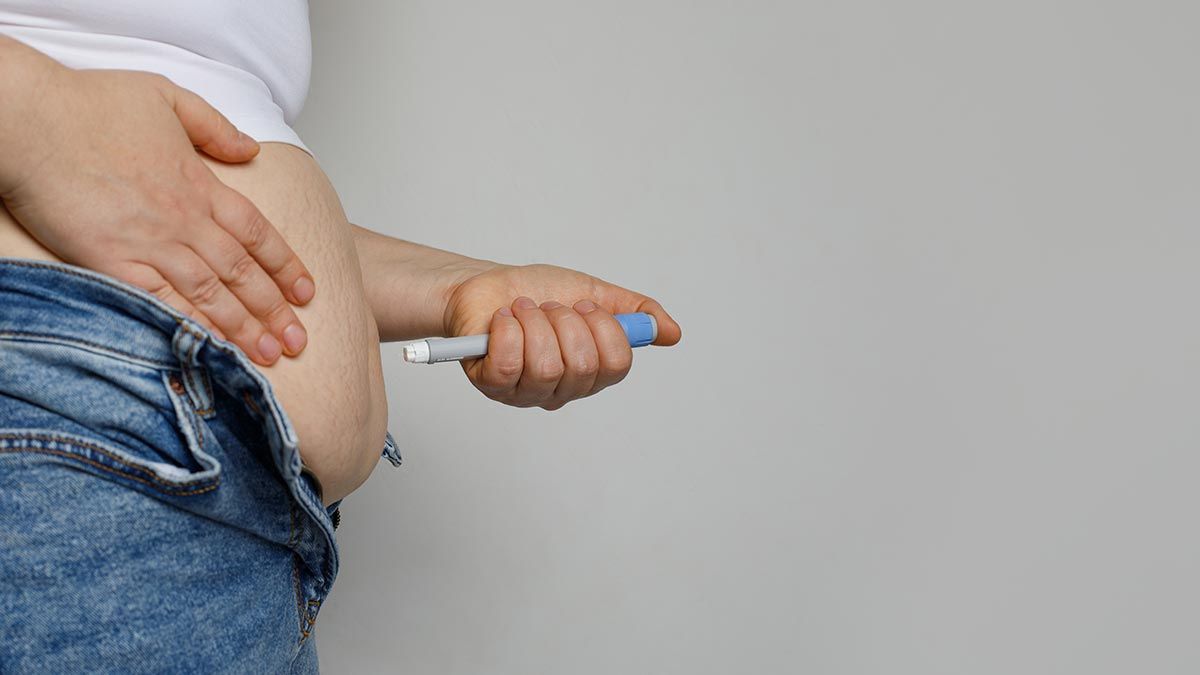
A report by the International Diabetes Federation shows 589 million people have diabetes. Of those, 252 million don’t know it. That’s one in nine adults.
Three in four live in low- and middle-income countries. Diabetes caused 3.4 million deaths last year worldwide.
Urgent action is needed on screening, education and early treatment to prevent heart, kidney and nerve complications.
Source: theweek.in
3. Breaking Research: Weight Management Lowers Blood Cancer Risk
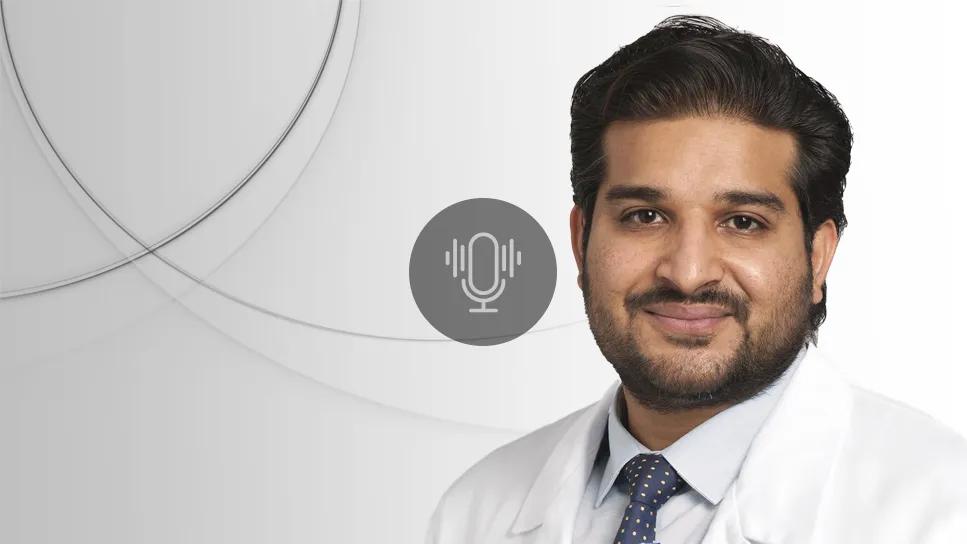
Cleveland Clinic’s team found that treating diabetes with GLP-1 agonists and lifestyle changes cuts blood cancer risk by 50–55% compared to insulin use. Dr. Abhay Singh highlights how chronic inflammation and immune changes drive hematologic cancers.
Better metabolic health can prevent more than just diabetes complications. This research paves the way for combined cancer-diabetes prevention strategies.
Source: consultqd.clevelandclinic.org
4. Student Advocate Amplifies Type 1 Diabetes Research
Sixteen-year-old Tylor Inglehart from Visalia earned a spot at the Breakthrough T1D 2025 Children’s Congress in Washington, D.C. She’s lived with T1D since age 12. Now she speaks out for federal funding for cell research and education.
Tylor uses insulin therapy, glucose monitoring and healthy eating daily. She hopes her advocacy leads to better treatments for all kids with T1D.

Source: visaliatimesdelta.com
5. Family Raises Funds for Diabetic Service Dog
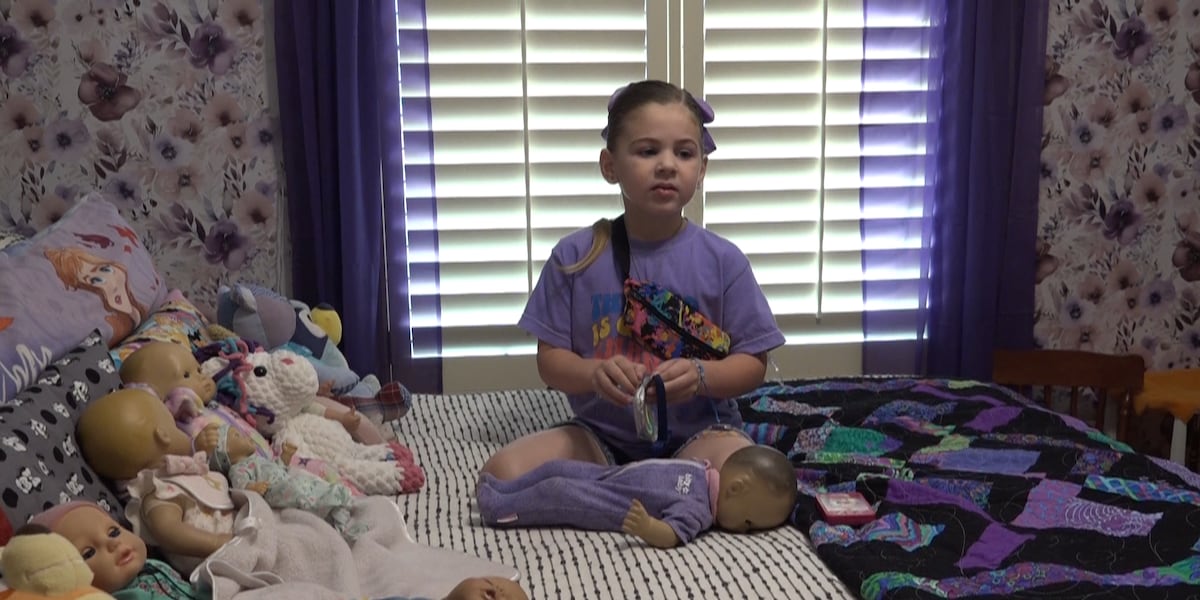
The Powell family needs $20,000–$30,000 for a service dog for 4-year-old Kimber, newly diagnosed with T1D. A trained dog could alert them to dangerous sugar swings.
Their GoFundMe and t-shirt campaign show how vital support networks are. A service dog offers safety and independence for a young child learning to manage diabetes.
Source: kcbd.com
6. Protecting Vision: NIH Funds New Cornea Research
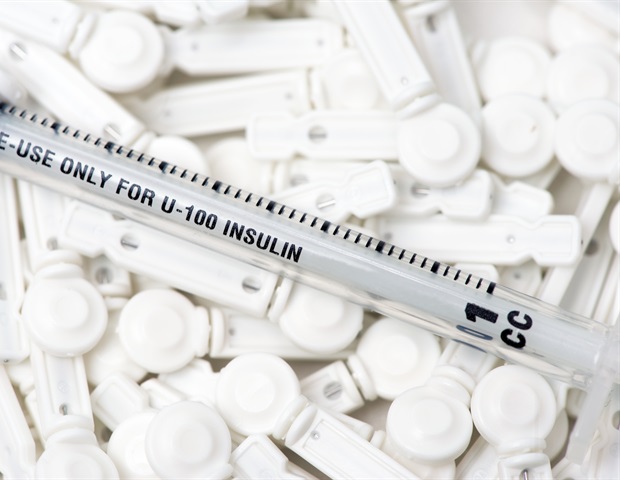
Wayne State University received $2.33 million from the NIH’s National Eye Institute. Dr. Elizabeth Berger’s team will test a Tβ4/VIP peptide combo in preclinical models to prevent corneal damage from high blood sugar.
If successful, this could launch clinical trials for new therapies to preserve sight in people with diabetes.
Source: news-medical.net
7. Diabetic Neuropathy: Century-Old Mystery Uncovered
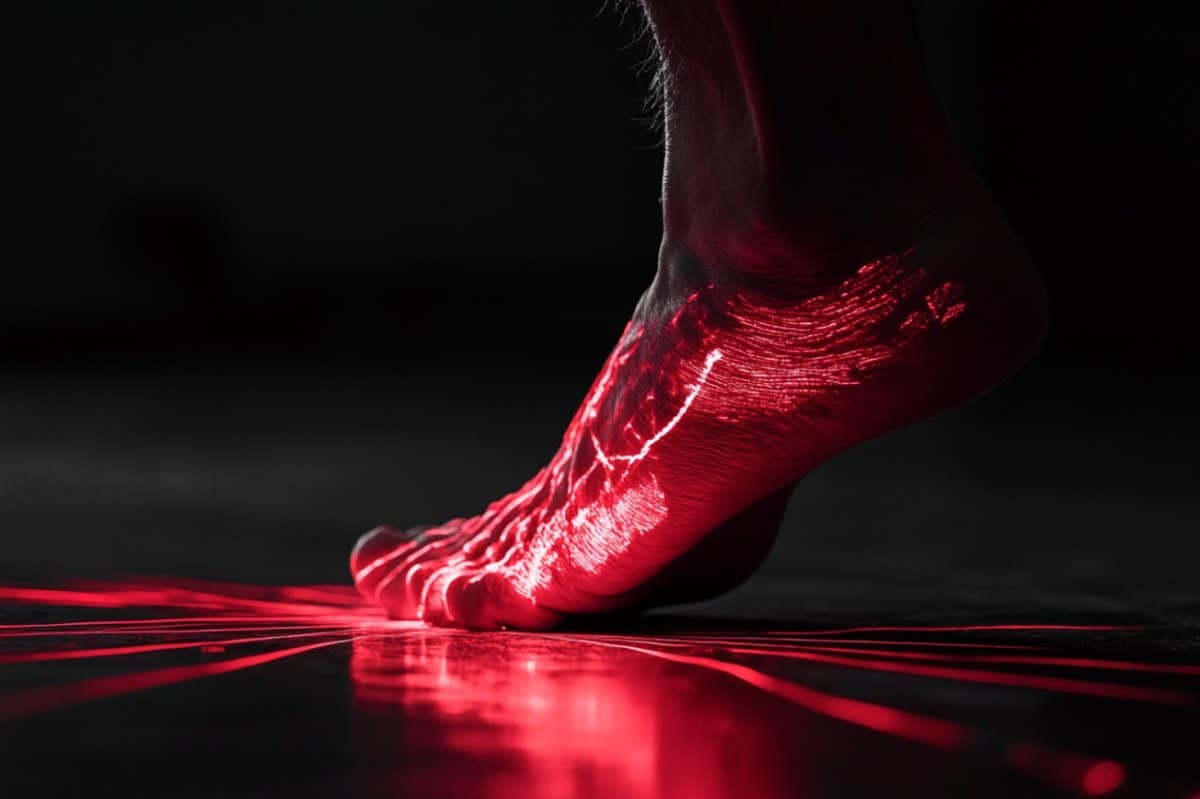
Researchers at UT Dallas spotted Nageotte nodules—decayed nerve structures—in sensory ganglia of diabetic donors. These nodules may drive the painful nerve changes in diabetic neuropathy.
Early neuroprotective strategies could target these nodules and prevent the progression of sharp, burning pain in the feet and hands.
Source: neurosciencenews.com
Why This Matters for Your Supplies
New technology and therapies may change how you manage diabetes supplies. If you have unused or extra test strips, insulin pump sets or CGMs, you can sell them to trusted buyers. Turn those spares into cash for new supplies or care needs.
Ready to sell unused diabetic supplies? We buy diabetic supplies online with a simple mail-in process. Get money today for your extra diabetic test strips, insulin pumps or advanced diabetic supplies.
FAQ – People Also Ask
What is the Cell Pouch Bio-hybrid Organ trial?
The Cell Pouch is an implanted device that holds transplanted islet cells. In recent Phase 1/2 data, eight of 12 Type 1 diabetes patients reached insulin independence and better blood sugar control.
How many people worldwide have undiagnosed diabetes?
Around 252 million adults have diabetes but don’t know it. Early screening and lifestyle changes can prevent complications like heart disease and kidney damage.
Can weight management really lower blood cancer risk?
Cleveland Clinic research found diabetic patients treated with GLP-1 agonists and lifestyle interventions cut blood cancer risk by over 50% compared to those on insulin alone.
How can I get cash for my extra diabetic supplies?
Visit our site to request a mail-in kit. Send your unopened test strips, insulin pump sets or CGM supplies. Get paid fast for unused diabetic supplies.
What are early signs of diabetic neuropathy?
Look for tingling, burning or numbness in the feet and hands. The new research into Nageotte nodules may lead to treatments that protect nerves before pain starts.