Today’s diabetes headlines include big steps in monitoring, new risk models, policy wins and fresh diet tips. You’ll learn about using continuous glucose monitors (CGMs) in people without diabetes. You’ll also see why high blood pressure plus type 2 diabetes raises death risk. Plus, a major insulin cost cap in New Mexico gives relief. Let’s dive into the innovations, studies and real-world wins impacting millions living with or at risk of diabetes.
Modern Monitoring and Tech Advances
Continuous glucose monitors have long helped diabetics. Now they are reaching people who don’t have diabetes. These small sensors measure glucose in body fluids every few minutes. They sync data to a mobile app. Users get real-time feedback on how diet and exercise affect their sugar levels.
One report shows 80% of users without diabetes made diet or exercise changes after wearing CGMs (theboltonnews.co.uk). Up to 80% of people at risk for prediabetes remain unaware of it. CGMs can fill that gap.
Critics warn about information overload and added stress. The devices still need finger-prick checks to stay accurate. Yet they fit into a balanced health plan. Tech plus education and moderation makes for better metabolic health.
Cardiometabolic Risk and Collaborative Care
When type 2 diabetes meets hypertension, the danger grows. A large study of 48,727 adults found those with both conditions had a 66% higher risk of death from any cause. Their cardiovascular death risk more than doubled compared to having just one or neither condition (physiciansweekly.com).
Even people with prediabetes and high blood pressure saw a 19% higher mortality risk. This data highlights the need for joint management by cardiologists, endocrinologists and primary care teams.

At the upcoming Heart in Diabetes meeting (June 6–8, Philadelphia), experts will share new digital tools for heart and kidney disease in diabetes. Sessions include cardio-renal-metabolic case discussions and a new Journal of the American College of Cardiology session on digital health (healio.com).
Screening Tools for Mental and Metabolic Health
Binge-eating disorder can worsen blood sugar control and mental well-being in diabetics. A new 10-question survey, DEPS-10, effectively spots binge eating in type 1 and type 2 patients. It links closely with glycemic control and mood outcomes. It fits into a quick two-step check with existing tools like PAID (medscape.com).
Getting this screening into routine care helps doctors catch disordered eating early. That leads to timely support for both mind and body.
New Risk Models and Molecular Scores
Chronic kidney disease plus diabetes raises the risk of high potassium (hyperkalemia). A new risk model uses seven factors—age, kidney function, protein in urine and more—to flag patients likely to spike potassium. This helps doctors adjust meds and monitoring plans (medscape.com).
On the molecular front, researchers developed a microRNA-based dynamic risk score. It tracks 50 microRNAs tied to beta-cell loss in type 1 diabetes. The score sorted people with and without type 1 and even predicted who would need insulin after a transplant. In trials, it separated drug responders from non-responders (nature.com).
Preventive Heart Procedures and Vision Therapy
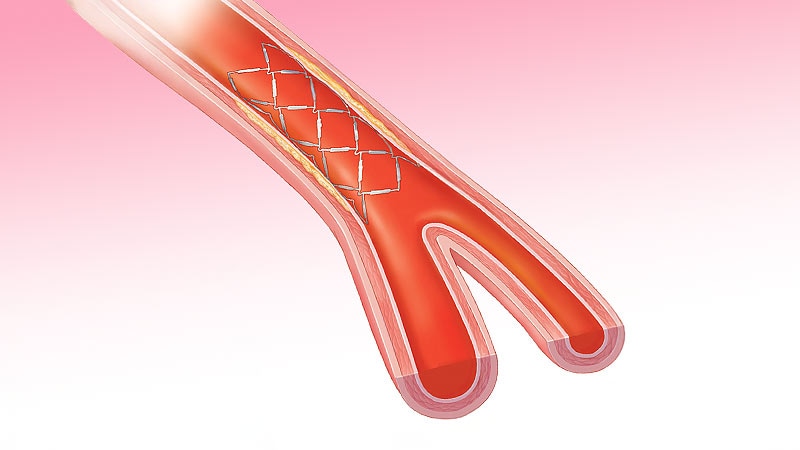
Preventive stenting, or PCI, may benefit some diabetics more than others. The PREVENT trial showed that adding stents to medical therapy cut cardiac events, regardless of diabetes status. This suggests plaque type isn’t the only risk factor. Lifestyle, meds and follow-up matter just as much (medscape.com).
In eye care, an older HIV drug, efavirenz, showed promise for diabetic macular edema. It cut retinal swelling and improved vision in patients not helped by other treatments. This off-label use could offer a new lifeline to people with vision loss from diabetes (hcplive.com).
Diet, Drinks and Daily Habits
Not all “diet” drinks are low risk. The CARDIA study followed 4,654 adults for 30 years. It found that high intakes of diet soda and saccharin raised diabetes risk by 129% and 110%. Other artificial sweeteners like sucralose and aspartame had no link. Experts urge swapping diet drinks for water, tea, coffee or small amounts of 100% juice (medscape.com).

On a broader scale, a review in Cardiovascular Diabetology calls for back-to-basics eating. Think whole grains, fibers, unsaturated fats, lean protein and dairy. Avoid processed meats, sugary drinks and refined carbs. This “ancestral” style diet fights insulin resistance, high triglycerides and low HDL (news-medical.net).
Sleep habits matter too. A Frontiers study found that long nights plus long naps raised retinopathy risk in type 2 patients. Blood pressure, BMI and HbA1c partly explain this link. Aim for balanced sleep and light daytime rest to protect your eyes (frontiersin.org).
Understanding Cell Changes and Complications
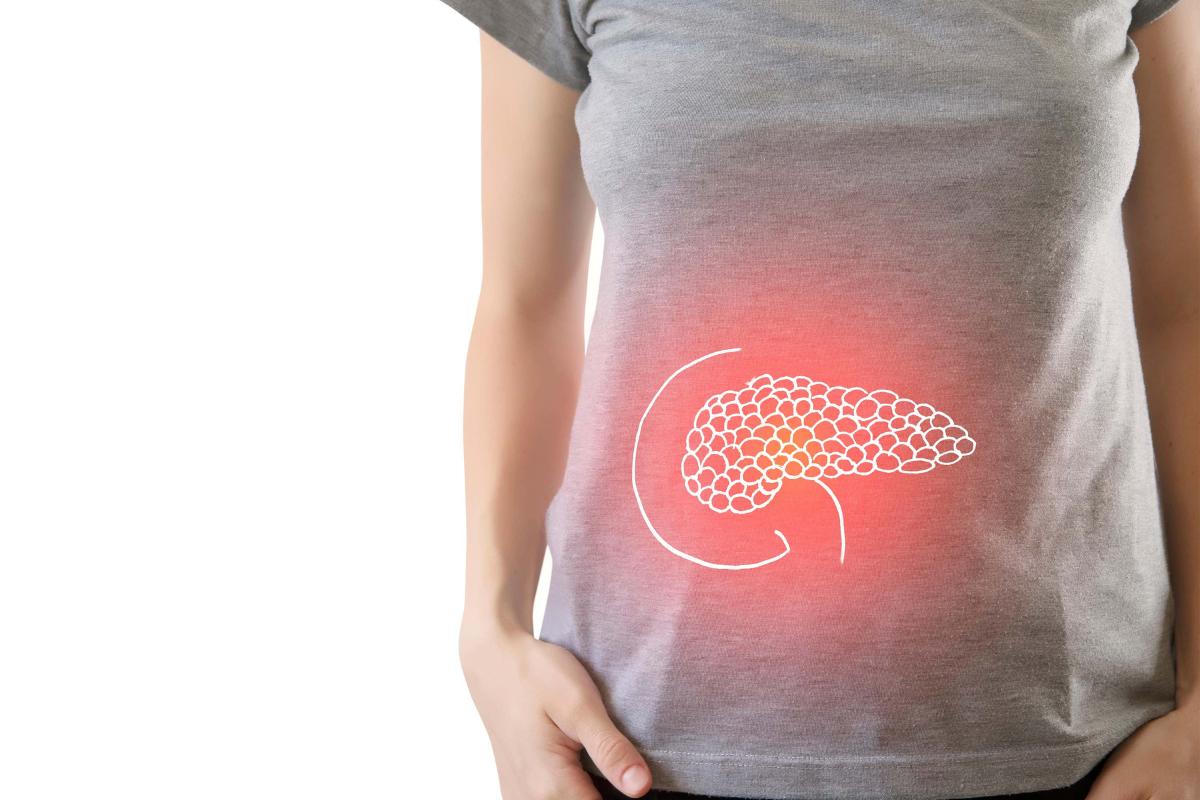
In type 1 diabetes, tiny delta cells in the pancreas change shape and location. Researchers saw twice as many alpha cells hugging delta cells. Delta cells also moved to islet edges and scattered more in nearby tissue. These shifts may blunt glucagon during low sugar spells (nature.com).
On a broader health front, microvascular issues like diabetic nephropathy tie to memory problems and depression. A study in Diabetology & Metabolic Syndrome found that kidney complications had the strongest link to cognitive decline. Retinopathy and neuropathy showed weaker ties to mood or memory. That signals a need for mental health checks in patients with kidney damage (drugtopics.com).
In a rare case report, a 24-year-old with type 1 diabetes had fatal ketoacidosis during an oral glucose test. She spiked to 1,070 mg/dL and showed signs of gut blood flow loss. Quick ICU care saved her life, but this warns us that tests carry risks. Proper supervision remains key (cureus.com).
Global Burden, Policy and Patient Access
Type 1 diabetes is rising worldwide, especially in low-income areas. By 2025, cases could hit 9.5 million. Most will be under 20 or between 20–59. India, the US, China and Brazil lead among youth. Deaths may top 174,000, mostly in Africa and Southeast Asia. Country-specific data will guide resource planning and care delivery (ajmc.com).
In Ghana, healthcare workers say high drug costs and limited insurance make type 2 hard to manage. They call for mass education, insurance expansion and social support groups. A multipronged plan could ease the burden and prevent new cases (frontiersin.org).

Back in the US, New Mexico capped insulin at $35 a month in new settlements with Sanofi-Aventis and Novo Nordisk. Both insured and cash-pay patients can benefit. This builds on a 2020 state law that limited out-of-pocket insulin costs to $25. It’s a win for anyone struggling with high drug bills (sourcenm.com).
On a personal note, actor James Earl Jones shared living with type 2 diabetes for 20 years. He hid the diagnosis at first, then learned to manage it. His story reminds us that diabetes can touch anyone. Awareness and proactive care make a difference (aol.com).
What This Means for You
- Use CGMs wisely. They can guide diet and exercise, even without diabetes.
- Monitor blood pressure closely if you have type 2 diabetes. Team up with your doctors.
- Screen for mental health and binge eating to protect both mind and body.
- Limit diet drinks. Choose water, tea or 100% juice.
- Follow a balanced diet of whole foods, fibers and unsaturated fats.
- Keep eyes on sleep habits to reduce retinopathy risk.
- Seek out local programs and support groups if cost or access is a barrier.
Every development today pushes diabetes care forward. From real-time glucose data to fair drug pricing, you have more tools than ever. Use them with your healthcare team to stay in control.
Looking to turn your unused diabetic supplies into cash?
DiabeticSupplies.Online buys extra test strips, CGMs, insulin pens and more via mail-in. Get money for diabetic supplies you won’t use. Visit us today and find out how simple it is to sell your diabetic supplies for cash.
FAQ – People Also Ask
Can non-diabetics benefit from continuous glucose monitoring?
Yes. Real-time data can uncover hidden spikes, guide diet and activity, and raise prediabetes awareness. But it works best alongside education and regular check-ups.
Why is high blood pressure so dangerous with type 2 diabetes?
The combination stresses heart and vessels. Studies show 66% higher all-cause death risk and twice the cardiovascular risk versus one condition alone.
How do I limit my risk from diet drinks?
Swap diet sodas and saccharin for plain water, unsweet tea, coffee or small amounts of 100% fruit juice. That lowers your long-term diabetes risk.
What support exists for patients facing high drug costs?
Some states cap insulin prices. Look for caps on monthly supplies and programs that let cash-pay patients save. Nonprofits and local clinics may also help cover costs.
What diet is best for overall cardiometabolic health?
A balanced “back-to-basics” diet of whole grains, fruits, vegetables, lean proteins, healthy fats and moderate dairy fights insulin resistance and heart disease.