This week brings a wave of breakthroughs in diabetes care. We have new clinical data on sotagliflozin. We see the first patient enrolled in an oral drug trial. We get reports on continuous glucose monitoring. We learn about tech investments, nutrition tips, and lifestyle guidelines. Each advance matters to people living with diabetes. Here’s what you need to know today.
New Data on Sotagliflozin Shows Broad Kidney Benefits
Lexicon Pharmaceuticals will present data on sotagliflozin at the 85th ADA Scientific Sessions on June 22. The results cover patients with type 1 diabetes at all levels of kidney function.
The study found that sotagliflozin cuts hypoglycemic events across three kidney-function subgroups. It also shows consistent safety and efficacy in those with mild to moderate kidney impairment.

Lexicon will also share topline results from its PROGRESS Phase 2b trial of pilavapadin (LX9211). This drug targets diabetic peripheral neuropathic pain. In the study, adults with moderate to severe nerve pain reported less pain and better sleep quality.
Why it matters:
Reducing hypoglycemia improves quality of life. It also lowers hospital visits. Patients with kidney disease face extra risks. These findings could expand treatment options.
Biodexa Launches First Oral Phase 2a Trial for Type 1 Diabetes
Biodexa Pharmaceuticals has enrolled the first patient in a Phase 2a trial for Tolimidone. This is one of the only oral candidates aimed at replacing daily insulin shots for type 1 diabetes.
Tolimidone activates Lyn kinase. That boosts insulin signaling and may stimulate beta cell growth. The trial at the University of Alberta will track C-peptide and HbA1c over three months across three dose levels.
Earlier lab tests showed Tolimidone can help human beta cells survive and grow. If it works in people, it could become the first pill to reduce insulin dependence in type 1 diabetes.
Why it matters:
Oral treatment would ease the daily burden of injections. It could cut costs of insulin therapy. And it offers hope for better glucose control.
Dexcom’s State of Type 2 Report Highlights CGM Impact
Dexcom released its “State of Type 2 Report” ahead of ADA 2025. It surveys over 400 healthcare pros and people with type 2 diabetes in the U.S.

Key findings include:
- Most clinicians say continuous glucose monitoring will have more impact than new drugs.
- CGM use links to fewer hospital visits, better self-management, and lower mortality risk.
- Patients report greater confidence and less guesswork in daily care.
Dexcom will showcase new device features and in-app reports at the conference. They also have a special session with singer Lance Bass sharing his journey with type 2 diabetes.
Glytec Secures $36 Million to Grow Its Glucommander Platform
Glytec landed a $36 million investment from Hayfin Capital and Savitr Capital. The funds will expand its cloud-based Glucommander solution. This platform helps hospitals manage insulin therapy and glucose levels in real time.

The company will add new analytics and remote monitoring tools. They’ll partner with MUSC Health to roll out advanced glycemic management across its network.
Why it matters:
Better hospital glucose control cuts complications. It also reduces length of stay. Technology like this can save lives and lower costs.
Combination Therapy Improves Outcomes in Teens with Type 1 Diabetes
A clinical trial in adolescents tested insulin plus dapagliflozin. The combination led to better blood sugar control. It also improved kidney function and limited weight gain compared to insulin alone.
The lead investigator, Dr. Farid Mahmud, noted that patient partners made a real difference in trial design and adherence.
Why it matters:
Early interventions can change long-term health. This combo may delay complications like chronic kidney disease.
Semaglutide Shows Kidney Protection in Type 2 Diabetes with CKD
Real-world data in Expert Opinion on Pharmacotherapy found semaglutide cuts risk of major kidney events by 26% in type 2 diabetes patients with CKD.
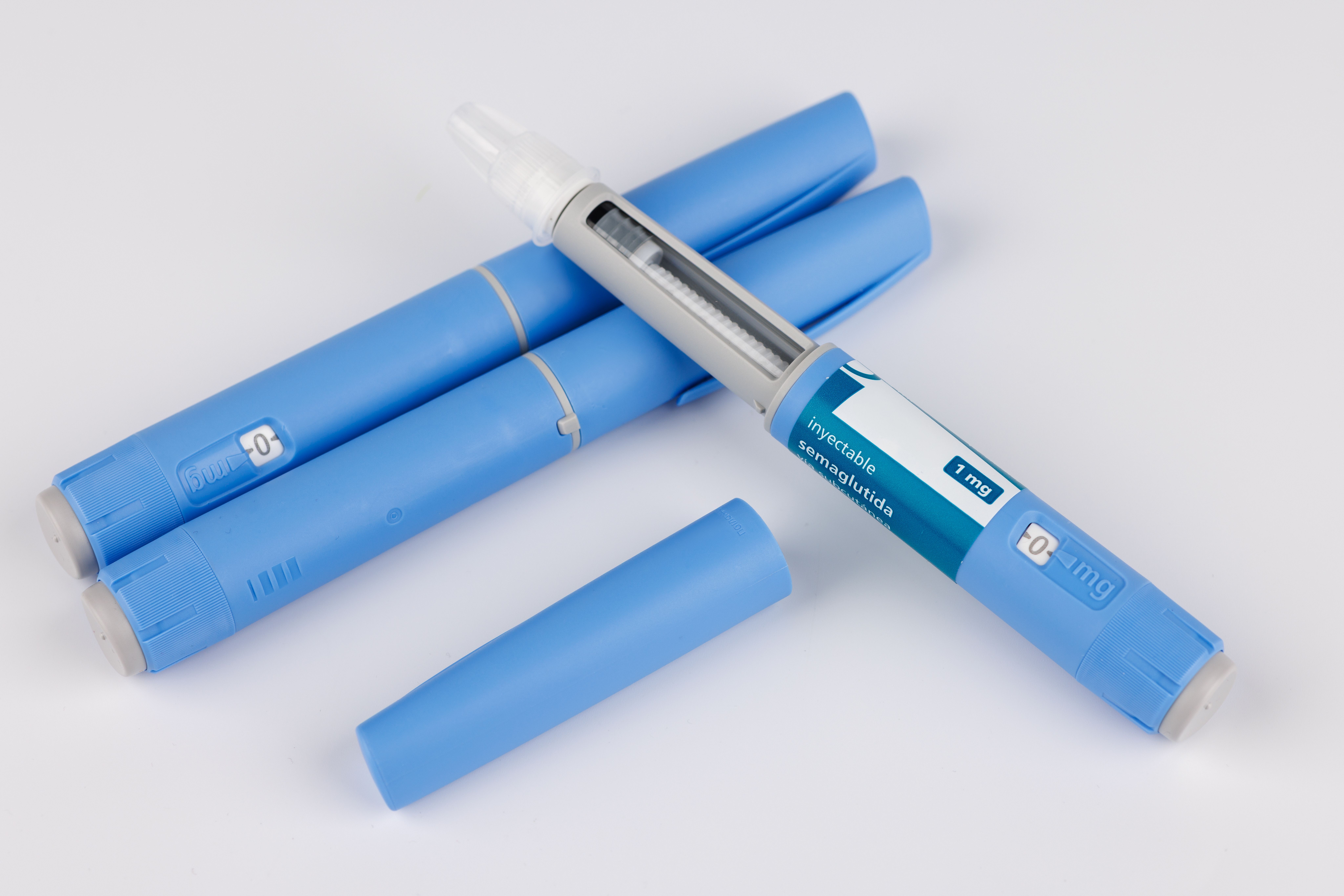
CKD affects half of type 2 patients. Slowing its progression can prevent dialysis and heart issues.
Screening and Managing Complications
Several studies look at detecting and treating common issues in diabetes.
- Diabetic Peripheral Neuropathy: Research shows postural sway velocity tests can screen for nerve damage early (PhysiciansWeekly.com).
- Fatty Liver in Type 2: MRI scans reveal that 6 in 10 patients with type 2 diabetes have fatty liver, though few have severe disease. Obesity is the main risk factor (TechnologyNetworks.com).
- HFpEF Marker: In obese diabetics, left atrial function on CMR imaging can flag heart failure with preserved ejection fraction (CardiovascularDiabetology).
- Ectopic Fat in HIV: CT scans link liver and muscle fat density to early glucose and insulin changes in people with HIV, offering a new risk marker (Nature.com).
Nutrition and Lifestyle Insights
Controlling blood sugar goes beyond meds. Diet and habits matter.
- Best Snacks: Choose fiber-rich fruits and veggies. Add protein from nuts or Greek yogurt. Healthy fats like avocado boost insulin sensitivity (TimesOfIndia).
- Lifestyle vs. Weight: A high Lifestyle Risk Factor Index score cuts type 2 risk by 16%. Physical activity and no smoking lead the way (News-Medical.net).
- Ultra-Processed Foods: Eating 300 g a day raises T2D risk by over 14%. Processed meats are the biggest culprit (News-Medical.net).
- Guidelines for Lifestyle: The ACLM’s new clinical practice guidelines lay out 14 action steps. They cover nutrition, exercise, sleep, and behavior change (Healthgrades).
Special Considerations: Pregnancy
Women with pre-existing diabetes face higher risk in pregnancy. Uncontrolled sugar can lead to birth defects, preeclampsia, and stillbirth. Keeping A1C in target range is key. Work closely with your team, monitor blood glucose often, and adjust your diet and meds before and during pregnancy (TimesOfIndia).
Future of Type 1 Diabetes Prevention
Researchers are hunting new ways to stop type 1 diabetes before it starts. Teplizumab is the only approved drug to delay onset. But it has side effects. Soon, we may see therapies targeting RAGE to cut inflammation from AGEs found in ultra-processed foods (Nature.com).
Sell Unused Diabetic Supplies for Cash
Do you have extra test strips, lancets, or CGM sensors? Turn them into cash today. DiabeticSupples.Online buys your unused diabetic supplies via mail order. It’s fast, easy, and puts money in your pocket. Visit our site to get a quote and ship your supplies. It’s the best place to sell diabetic supplies for cash.
FAQ – People Also Ask
What is sotagliflozin and who can benefit?
Sotagliflozin is an SGLT1/2 inhibitor shown to reduce hypoglycemia in type 1 diabetes across all kidney function levels. It may help those with mild to moderate kidney impairment.
How soon could Tolimidone replace insulin injections?
Tolimidone’s Phase 2a results are due in late 2025. If it proves safe and effective, the oral pill could reduce insulin use, but it will need larger trials.
Can continuous glucose monitors help in type 2 diabetes?
Yes. Dexcom’s report shows CGMs improve self-management, lower hospital visits, and may reduce mortality in type 2 diabetes.
What lifestyle changes most cut diabetes risk?
Regular exercise, not smoking, a balanced diet rich in whole foods, and maintaining a healthy weight all significantly lower type 2 diabetes risk.
How do I sell my extra test strips for cash?
Visit DiabeticSupples.Online, request a free quote for your unused diabetic testing supplies, and mail them in. You get paid fast for unopened, in-date supplies.