Today’s diabetes landscape is changing fast. Researchers are using microgravity in space. They’re unlocking genetic secrets. AI tools now guide insulin dosing. New studies link gut health and kidney function. Even your morning coffee might help prevent type 2 diabetes. Across labs, clinics, and communities, breakthroughs are arriving every day. We bring these updates together. Learn how they matter to you. And discover how to get cash for unused diabetic supplies.
Space-Powered Insights: Microgravity and Diabetes
Shubhanshu Shukla is leading the Suite Ride project on the Axiom-4 space station. In microgravity, researchers study temperature regulation and body processes that diabetes affects. Results from this timesofindia.indiatimes.com study may reveal new drug targets. We could see better treatments and management plans back on Earth. This research may even apply to other diseases.
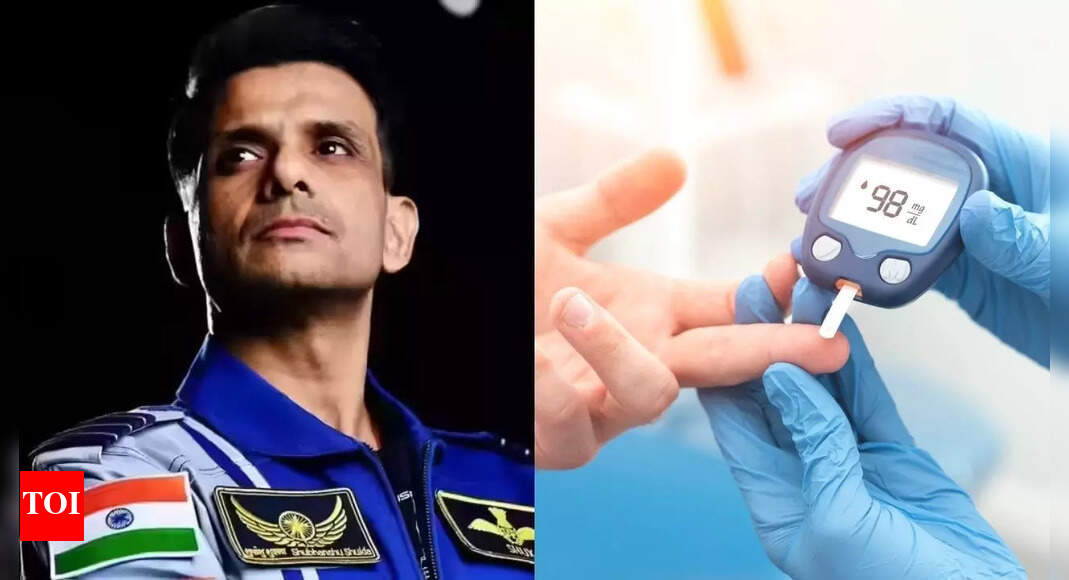
Why it matters: If we decode how the body works in orbit, we may develop more precise insulin therapies. These advanced diabetic supplies could be the next leap forward.
Unraveling the Gut-Kidney Connection
Your gut is a busy factory of trillions of microbes. In diabetes, this balance can break down. A thesouthfirst.com report highlights how dysbiosis drives intestinal leaks. Bacterial toxins then trigger inflammation and insulin resistance. These toxins may harm the kidneys, accelerating chronic kidney disease (CKD).
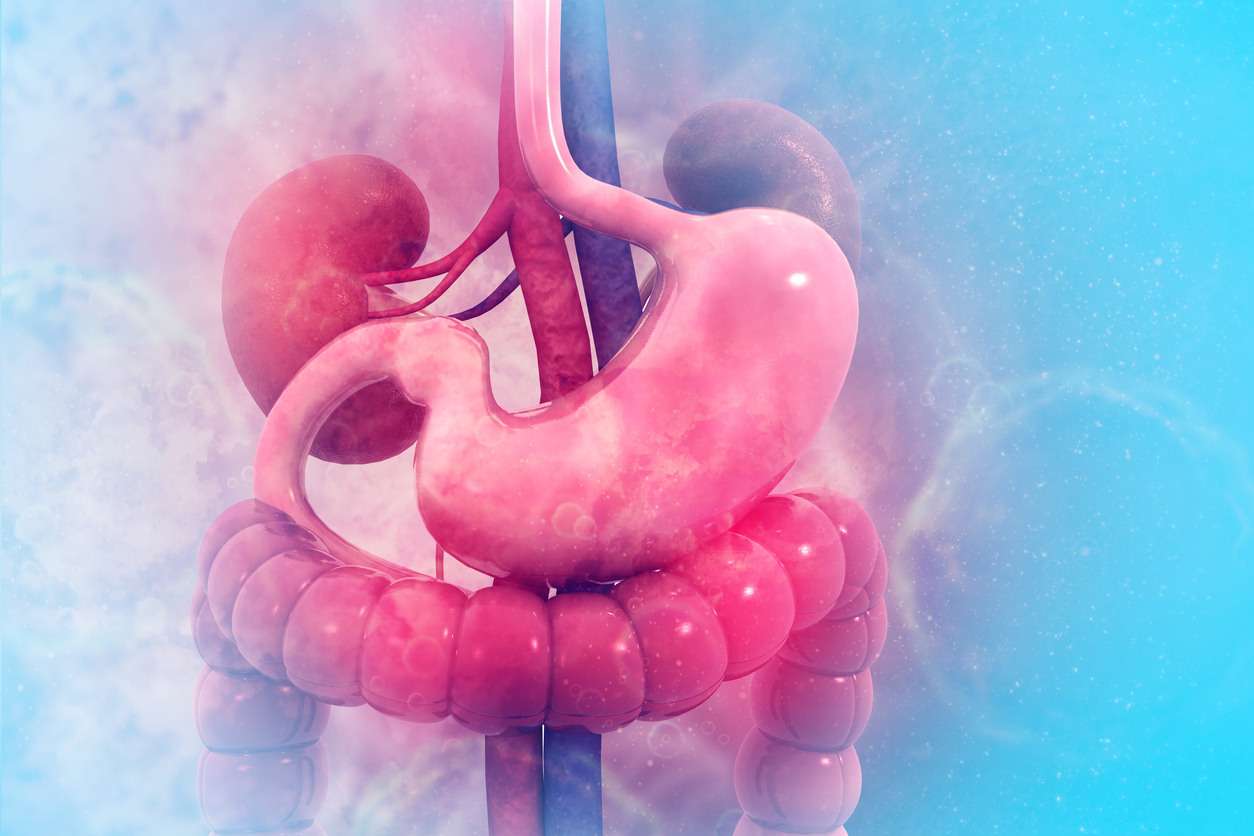
Healing the gut might protect your kidneys. Probiotics, prebiotics, diet shifts, and even fecal transplants are under study. Lower inflammation. Cut uremic toxins. Improve metabolic markers. These steps could slow diabetic kidney disease.
Genetic and Molecular Advances
New insights at the gene level may help prevent or treat diabetes complications.
- Salivary Enzyme Gene: A Cornell study found that more copies of the AMY1 gene—coding for salivary amylase—may guard against type 2 diabetes. High amylase ramps up early insulin release during starch digestion. This news-medical.net research could shape personalized diets and testing supplies.
- Cathepsin H and Retinopathy: Mendelian randomization shows Cathepsin H spikes the risk of diabetic retinopathy, including proliferative and maculopathy forms. The bioinformatic analysis in dmsjournal.biomedcentral.com points to immune-inflammatory pathways and NK cells. Cathepsin H may serve as a biomarker or drug target.
- Retinopathy and Kidney Disease Link: A prospective study tracked 223 type 2 patients. It found that as retinopathy severity rose, kidney disease markers also climbed. These findings from frontiersin.org stress the need for joint eye-and-kidney care plans.
- GLP-1R and Alzheimer’s: The glucagon-like peptide-1 receptor could tie diabetes to Alzheimer’s. GLP-1R agonists improve insulin signaling in the brain and cut inflammatory amyloid deposits. This frontiersin.org insight may spark dual-purpose drugs.
- Cardiac Muscle Stress: Human heart samples from type 2 patients show 20% less contractile stress and slower cross-bridge cycling. The cardiab.biomedcentral.com report warns of diastolic dysfunction and urges monitoring at higher heart rates.
Cutting-Edge Treatments on the Horizon
From printers to algorithms, new tools are emerging to change how we treat diabetes.
- 3D-Printed Islet Devices: Scientists have built porous grids of human pancreatic cells using bioink. Lab tests show 90% cell survival and insulin production for three weeks. Next up: animal studies. Read more on newscientist.com.
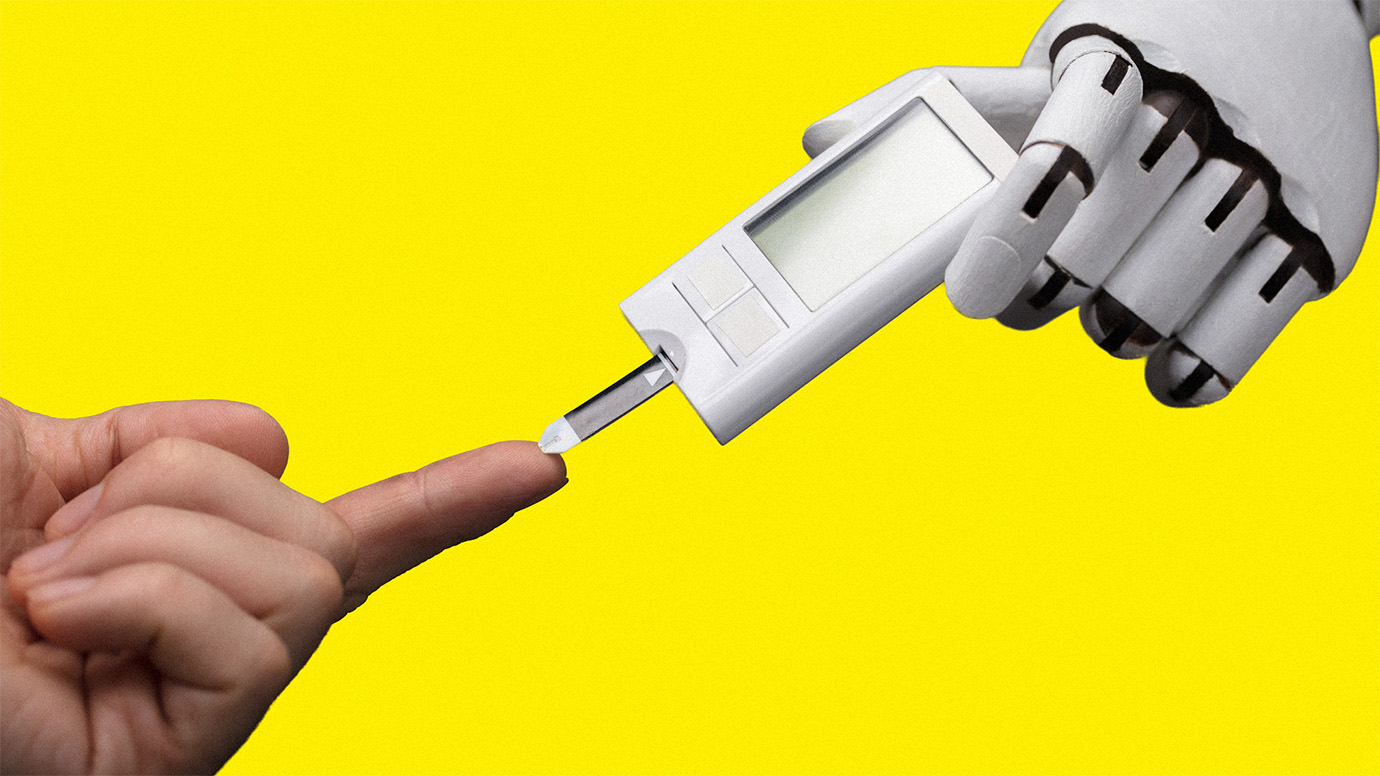
- AI-Based Insulin Dosing: A clinical trial found an AI decision support system as safe and effective as doctors for type 2 insulin therapy. The 2minutemedicine.com study showed equal adverse events and slightly better time in range.
- Tech Highlights from ADA 2025: Patch pumps like Medtronic’s MiniMed Fit, smart sensors from Biolinq, and remote CGM programs are coming soon. Beyond Type 1’s beyondtype1.org recap is a must-read.

Preventive Measures and Lifestyle
Prevention remains our best tool. New trials and studies confirm time-tested advice.
- Lasting Lifestyle Benefits: Over 22 years, the Diabetes Prevention Program’s diet and exercise arm cut diabetes onset by 24%. Metformin cut it by 17%. Those who stayed diabetes-free at 10 years remained so at 22 years. Details on news-medical.net.
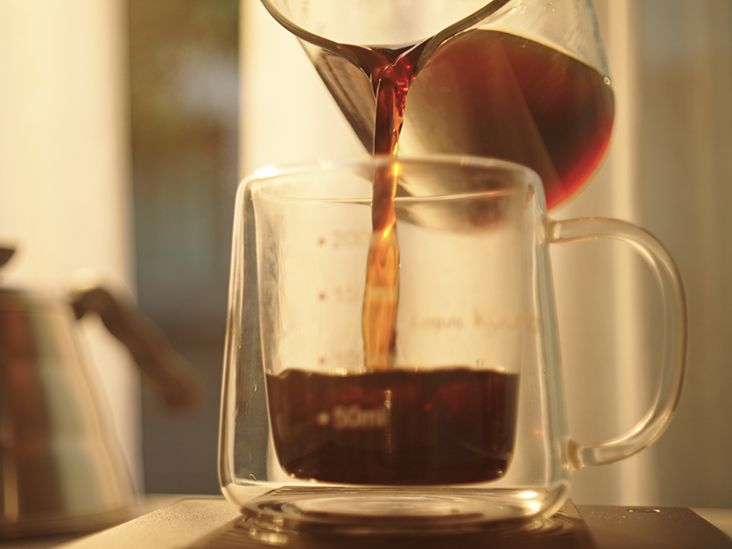
- Coffee Polyphenols: Drinking 3–5 cups of black coffee daily may lower type 2 risk. Polyphenols fight inflammation and boost insulin sensitivity. Both regular and decaf work. Read more on healthline.com.
- Obesity Trends in Thailand: From 2014 to 2018, obesity in type 2 patients rose from 49.9% to 51.1%. Higher rates were seen in younger adults, males, and those with hypertension. The dmsjournal.biomedcentral.com study urges targeted weight management programs.
Managing Complications: Eyes and Feet
Even with good control, diabetes complications can arise. Here’s how the latest studies guide better care.
- Cataract Surgery Safety: Lucent Vision experts say patients with well-controlled type 2 diabetes face similar success rates as non-diabetics. Advanced intraocular lenses and OCT testing cut risks. More on oklahoman.xpr-gannett.com.
- Orbital Cellulitis Outcomes: A recent ARVO presentation found type 2 diabetics have higher rates of poor vision and enucleation after orbital cellulitis. At six months, 7.8% of diabetics had poor vision versus 4.6% of others. See glance.eyesoneyecare.com.
- 60-Second Foot Rule: Daily one-minute foot checks catch wounds early. Proper shoes like Pogo by Darko reduce ulcer risk. Learn this lifesaving habit on iheart.com.

Community Voices and History
Stories from patients and past cases remind us that diabetes touches everyone.
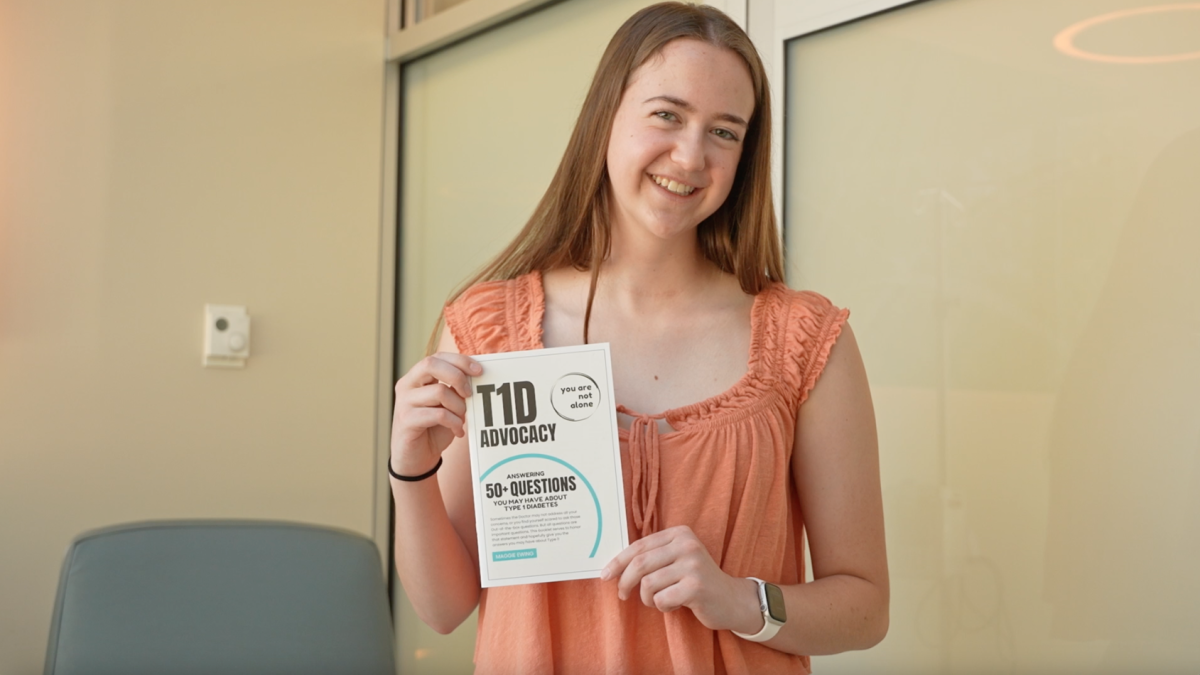
- Billings Teen Advocate: Maggie Ewing was diagnosed at age three. Now 18, she launched a senior project to educate her community. Her booklet, flyers, and QR-coded videos help young diabetics see their diagnosis as a gift. More on ktvq.com.
- 1984 Historic Cases: On July 4, 1984, two rare adult-onset or juvenile-onset cases made headlines in Grand Forks. Lester Skjervem was 88 with juvenile-onset diabetes. James Pender was 75 and undiagnosed until a coma in 1962. Read the archive at grandforksherald.com.
Why This Matters and What You Can Do
Each discovery brings us closer to better care. New supplies are coming. Advanced diabetic supplies, smart pumps, and AI tools will help you live healthier. If you have unused test strips or insulin pens, they can go to waste. Turn them into cash. DiabeticSupplies.Online buys your unused diabetic supplies for cash by mail. It’s safe, simple, and helps our community.
Sell your diabetic testing supplies. Get money for diabetic supplies. Free up space. Help others. Visit DiabeticSupplies.Online today to learn how to sell unused diabetic supplies for cash.
FAQ – People Also Ask
How does microgravity research help diabetes?
Studying the body in space reveals changes in fluid flow, insulin response, and cell behavior. These insights can lead to new drug targets and better insulin therapies on Earth.
Can probiotics protect kidney health in diabetes?
Yes. Certain probiotics and prebiotics help restore gut balance, reduce inflammation, and lower uremic toxins. This may slow diabetic kidney disease progression.
Are AI insulin dosing tools reliable?
Clinical trials show AI decision systems for insulin dosing are as safe and effective as physician care. They maintain glucose in range and reduce dosing errors.
Is coffee good for preventing type 2 diabetes?
Drinking 3–5 cups of black coffee daily may lower type 2 diabetes risk through polyphenols that boost insulin sensitivity and fight inflammation.
What is the 60-Second Rule for diabetic foot care?
It’s a quick daily foot check to spot wounds or infections early. A one-minute inspection can prevent ulcers and amputations.