Today’s diabetes landscape is changing fast. New therapies, tech upgrades, and prevention blueprints are unfolding right now. These updates matter for anyone with diabetes or prediabetes. They offer hope for better kidney care, smarter monitoring, and real chances for prevention or reversal.
Innovations in Diabetic Kidney Care
The fight against diabetic nephropathy is getting smarter. Top companies like Novartis, Merck and J&J are racing to develop new tools. Personalized medicine is the focus. That means targeting treatments to each person’s genetic make-up and disease stage.
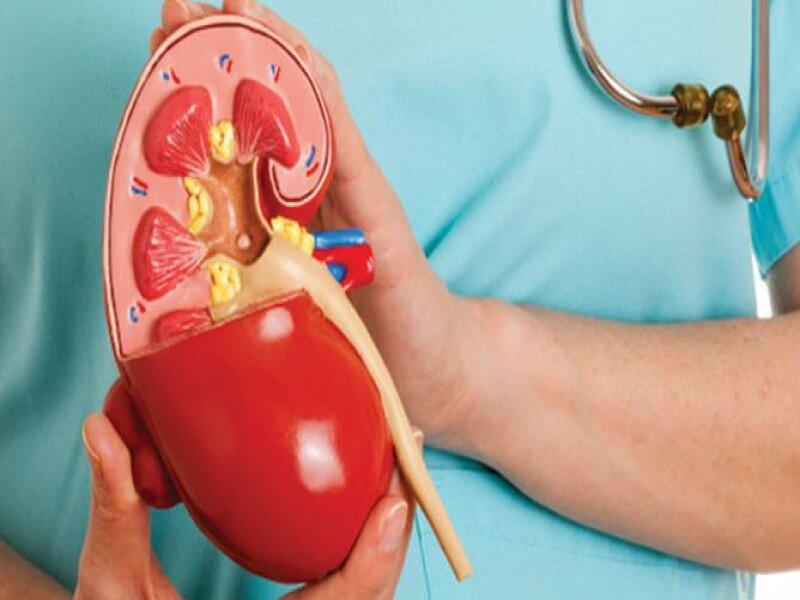
Here’s what’s trending:
• Early detection markers: New biomarkers spot kidney damage before symptoms appear.
• Gene and stem cell therapy: Trials are exploring ways to repair damaged kidney tissue.
• Digital tools: AI platforms predict nephropathy risk and guide personalized care.
• Government support: Increased R&D funding and infrastructure upgrades are on the way.
Why it matters: Kidney disease is a top complication of diabetes. Better early detection can protect your health and save on long-term costs. For up-to-date research, see openpr.com.
New Pump & CGM Tech Ratings Drive Market Buzz
Analysts at Truist Securities just dropped two big buy ratings. Insulet’s Omnipod 5 patch pump and DexCom’s continuous glucose monitor (CGM) are in the spotlight.

Insulet Omnipod 5 is a fully disposable patch pump. Truist set a $365 price target. They see $20 billion in global pump growth. Patients get better access benefits in pharmacies. Insulet’s recurring revenue model is strong.

DexCom CGM got a $102 price target with a Buy rating. They boast a 59% gross profit margin. Revenue is growing 22% annually. Integration with automated insulin delivery systems will fuel more uptake, especially for type 2 non-insulin patients.
Why it matters: Better pumps and monitors mean tighter blood sugar control. That can cut complication risks. Staying on top of tech can help you manage diabetes more effectively.
GLP-1 Drugs & Eye Health: Risks You Should Know
GLP-1 receptor agonists like semaglutide and tirzepatide are popular for type 2 diabetes and weight management. But new research shows a link to vision issues.

A JAMA Ophthalmology study found older adults on GLP-1 drugs had double the risk of neovascular age-related macular degeneration. Another report linked GLP-1 to faster progression of diabetic retinopathy. Experts say watch for new visual changes and tell your doctor right away.
While these meds have heart and kidney benefits, the absolute risk of eye disease is low. Still, you need regular retina checks. Early detection can prevent serious damage.
Early Detection Strategies: Eye Exams & Cancer Screening
Eye exams and cancer screening are vital for people with diabetes. Two studies highlight why:
- Diabetic Eye Exams: Less than half of new type 2 patients get early, dilated exams. Annual screenings catch retinopathy before you notice symptoms. Primary care doctors must stress these checks. (Medscape)
- Pancreatic Cancer Blood Test: The Safe-D trial in Southampton is recruiting type 2 patients. A new blood test shows 68% accuracy for early pancreatic cancer signs. People with new-onset diabetes have a 6–8× higher risk of this cancer. Early trials will shape a larger study. (BBC)
Why it matters: Diabetes raises risk for many conditions. Staying on schedule with eye and cancer screenings can save lives.
Managing Prediabetes & Diet for Better Health
If your fasting blood sugar is 114 mg/dL, you’re in prediabetes range. Act now to stop progression.
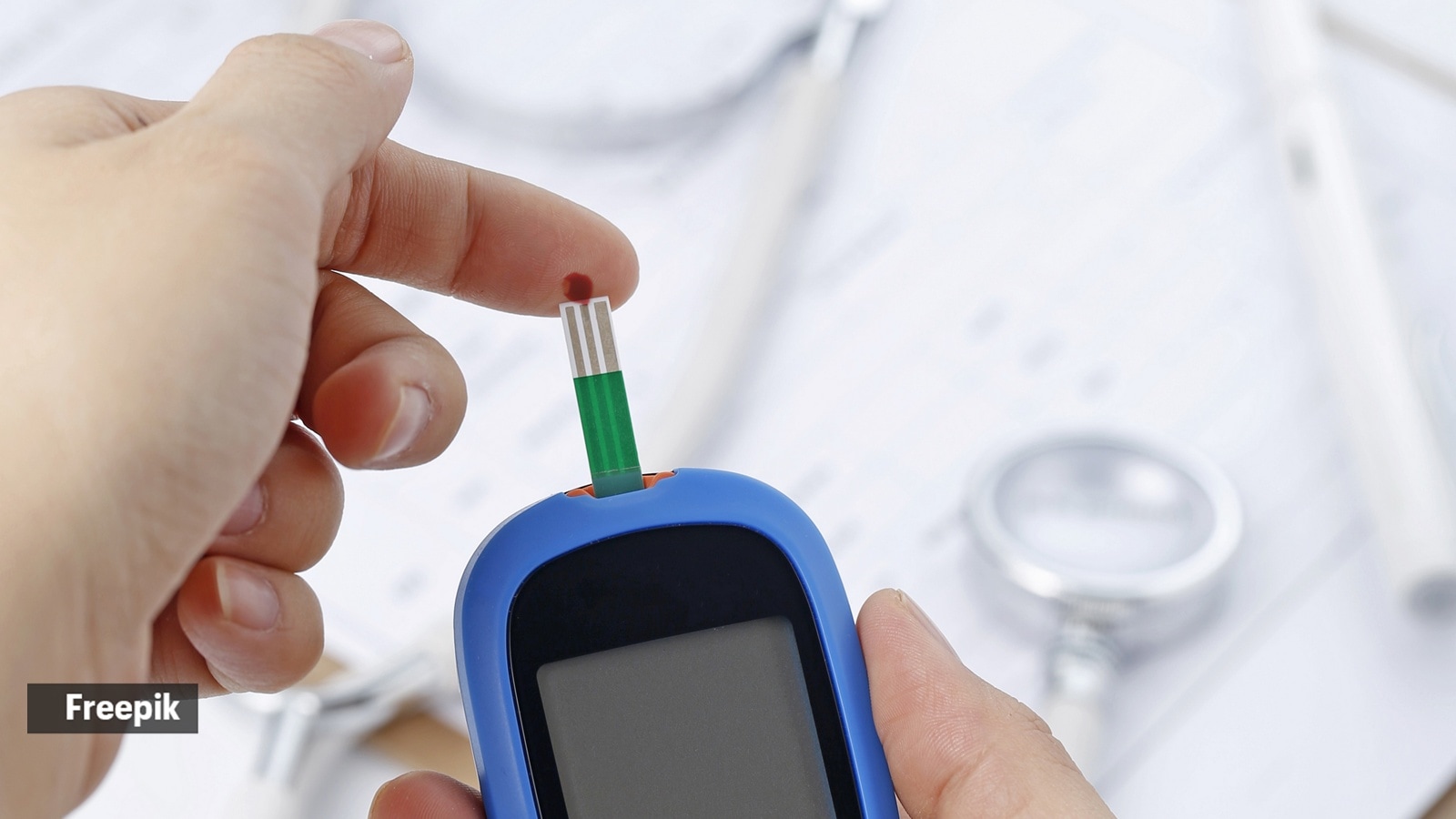
Simple steps make a big difference:
• Balanced diet: More veggies, lean proteins, whole grains.
• Exercise: 150 minutes of walking or cycling weekly.
• Weight loss: Even 5–10% body weight drop boosts insulin sensitivity.
• Sleep and stress: Aim for 7–8 hours and try relaxation techniques.
• Reduce sitting: Break up long periods of inactivity.
Research also shows a low-salt DASH4D diet cuts systolic blood pressure in type 2 patients on multiple BP meds. Lower sodium seems key. (Medscape)
Why it matters: You can prevent or delay type 2 diabetes with lifestyle changes. Small shifts today lead to big wins tomorrow.
Subcutaneous Biologics & Obesity Treatments
New drug delivery methods are making chronic disease care easier. Subcutaneous biologics let patients inject at home, boosting compliance.

At the ADA Scientific Sessions, Regor Therapeutics will share Phase 2a data on RGT-075. It’s an oral GLP-1 full agonist for obesity and type 2 diabetes. Early trials show promise in weight loss. Phase 2b results will appear in late 2025. (BioSpace)
Why it matters: Easier dosing means more people stick to treatment. That leads to better control and outcomes.
Prevention Programs & Reversal Stories
Some of the best news comes from success and prevention:
- Type 2 Reversal: Luke Milner lost seven stone on an NHS low-calorie program. He moved from a 75% heart attack risk to normal blood sugar levels. His story shows lifestyle can reverse diabetes. (BBC)
- Prevention Blueprint: England’s diabetes prevention program cut new type 2 cases by 17%. Quebec is adapting this model. It could save $120 million over 35 years in Canada. (MedicalXpress)
Why it matters: You can lower your risk with proven, community-based programs. And you can aim for remission with support and diet tools.
New Markers in Neuropathy Research
What if we could see nerve damage before pain hits? Researchers at UT Dallas have identified Nageotte nodules as markers of nerve cell death in diabetic neuropathy. This could help develop treatments that stop pain earlier. (CloudwaysApps)
Why it matters: Early detection of nerve damage can prevent severe neuropathic pain and improve life quality.
Across the Spectrum: Type 1 to Type 2 Insights
From elite athletes to everyday heroes, diabetes comes in many forms. PGA golfer J.J. Spaun overcame a Type 2 misdiagnosis and now manages Type 1 on tour. He uses a CGM and donates to research. His story highlights the difference between Type 1 and Type 2, and the need for accurate diagnosis. (Sporting News)
Why it matters: Accurate diagnosis guides proper treatment. It can be the difference between good control and continued struggle.
Why Selling Unused Diabetic Supplies Matters
You might have extra test strips, lancets, or unused pump pods. Instead of tossing them, you can turn them into cash. DiabeticSupplies.Online buys unused diabetic supplies by mail. It’s fast, easy, and gives you money for supplies that would go to waste.
When you sell diabetic supplies for cash, you help fund your own care. It’s a smart way to clear clutter and support your budget. Learn more about how to sell diabetic supplies online at DiabeticSupplies.Online.
FAQ – People Also Ask
What are the latest innovations in diabetic kidney care?
New biomarkers, gene therapy, stem cell research and AI tools are helping detect and treat kidney damage earlier. Major pharma companies are investing heavily in these areas to improve outcomes.
How do GLP-1 drugs affect eye health?
Recent studies link GLP-1 receptor agonists to higher risk of macular degeneration and faster diabetic retinopathy progression. Regular eye exams are essential if you take these medications.
When should new diabetics get their first eye exam?
Type 2 patients need a comprehensive dilated eye exam as soon as possible after diagnosis and then yearly checks. Early exams catch problems before you see changes.
How can I manage prediabetes with a fasting blood sugar of 114 mg/dL?
Focus on a balanced diet, regular exercise, weight loss and better sleep. Reducing sodium with a modified DASH diet can also help control blood pressure.
Where can I sell my unused diabetic supplies?
You can sell unused test strips, lancets, and more for cash via mail order companies like DiabeticSupplies.Online. It’s a quick way to turn extras into money.