New studies and community efforts are shining light on diabetes. Some risks hide in plain sight. Tools to predict serious complications are now available. Simple steps like hydration, diet tweaks, and the right shoes can improve daily life. Read on to learn what matters for your health now.
1. Hidden Risk: Gum Disease Raises Diabetes Odds
Research finds a link between poor oral hygiene and type 2 diabetes. Studies show that people with gum disease are 25% more likely to develop diabetes. Bacteria in infected gums can boost blood sugar levels.
Experts predict that tackling gum disease could prevent over 300,000 diabetes cases in the next decade. They urge dentists to screen patients for diabetes risk and vice versa. Brushing twice a day, flossing, and regular cleanings matter now more than ever.

Source: dailymail.co.uk
2. Community Steps Up: Atlanta’s ‘Step Out’ Walk
Hundreds gathered in Atlanta to raise funds and awareness for diabetes research. Participants walked through Atlantic Station, wearing stickers to honor loved ones. Type 1 advocate Shaun Hunter Green and others shared personal stories.
Otis Lee and his fraternity raised $5,000. Local anchor Joe Gorchow emceed, citing his own connection through family. The event organizers hope to make this an annual tradition to grow awareness and support.

Source: atlantanewsfirst.com
3. Foot Ulcer Recurrence: A New Predictive Test
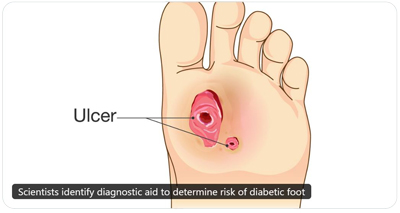
Scientists funded by the NIH identified a way to predict if a diabetic foot ulcer will come back. By measuring trans-epidermal water loss (TEWL), they found wounds with higher TEWL were 2.7 times more likely to recur.
In a study of 400+ patients, 35% with high TEWL saw ulcers return within 16 weeks versus 17% with low TEWL. The finding suggests that full healing of the skin barrier is key. Incorporating TEWL measurements in wound care standards could save limbs and lives.
Source: goldrushcam.com
4. Managing Summer Heat: Advice for Hot, Humid Days
High temperatures and humidity can lead to heat exhaustion for people with diabetes. Heat impairs the body’s ability to cool itself, raising the risk of heat stroke.
Dr. Natalie Williams recommends:
- Drink water often and check the heat index.
- Exercise early in the morning.
- Carry a personal fan or spray bottle.
- Wear light, breathable clothing.

Source: communityimpact.com
5. Smart Nutrition: Protein Picks and Hydration
Good diet and hydration go hand in hand with managing diabetes. Experts say these “bad” high-protein foods can boost muscle without spiking blood sugar:
- Full-fat Greek yogurt (21 g protein per cup).
- Pistachios (12 g protein per 2 oz).
- Shellfish like shrimp and crab.
- Lean beef cuts with low saturated fat.
- Soy foods such as tofu.
- Beans and lentils for fiber and steady carbs.

Source: eatingwell.com
Hydration helps insulin work better and supports kidney function. Aim for 8–10 glasses daily. Water before meals can curb calories and keep blood sugar steady.

Source: earth.com
6. Back to Basics: The ABCs of Diabetes
Education and lifestyle changes remain the cornerstones of diabetes care. Mandel Johnson Smith, diabetes program lead, highlights the ABCs:
- A1C: Keep it 7 or lower to reduce complications.
- Blood Pressure: Aim for 130/80 or lower.
- Cholesterol: Follow a low-saturated-fat diet and take meds if needed.
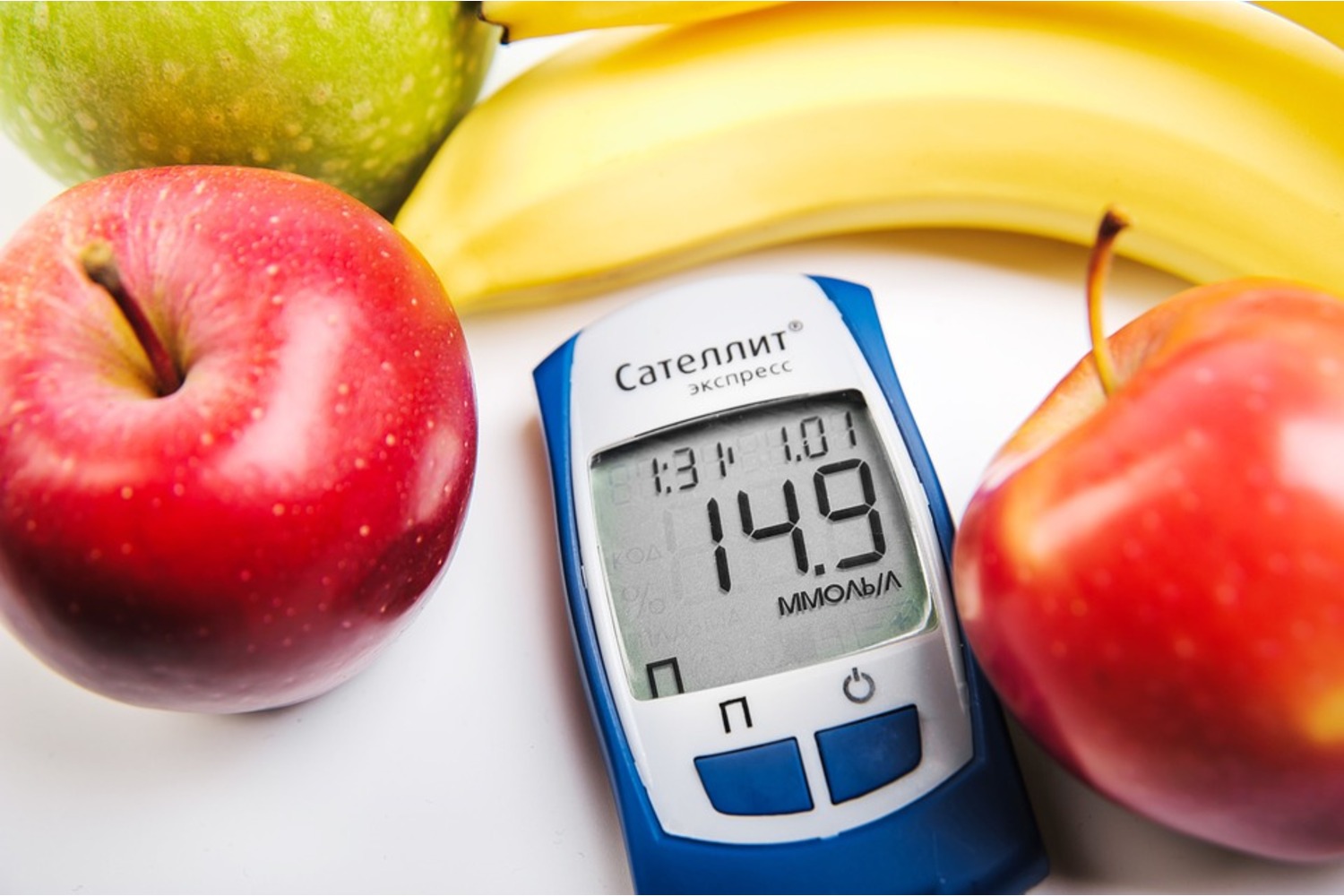
Smith suggests walking—even in short 10-minute bursts—to lower A1C and blood pressure. Combined with diet and meds, these steps help you reclaim health and quality of life.
Source: explorejeffersonpa.com
7. Gear Up: Best Walking Shoes for Diabetes
Choosing the right shoes protects feet and encourages daily walks. Podiatrists advise:
- Roomy toe box to prevent pressure.
- Soft, breathable materials to reduce blister risk.
- Smooth stitching to avoid irritation.
- Good cushioning under heel and metatarsal area.
- Shop later in the day and wear your walking socks when trying on shoes.

Source: eatingwell.com
8. Financial Strain and Solutions
Managing diabetes often comes with significant out-of-pocket costs. A study at a Delhi clinic found patients spent a median of ₹1,500 (~$20) on diabetes care.
In the U.S., high costs of insulin, testing kits, and supplies can add up each month. If you have advanced diabetic supplies or test strips you no longer need, consider selling them for cash. DiabeticSupplies.Online is a trusted mail-in service that buys unused supplies for top dollar.
Steps to sell your supplies:
- Gather unused testing strips, pumps, or CGMs.
- Visit DiabeticSupplies.Online.
- Get a free quote and ship items at no cost.
- Receive payment via check, PayPal, or direct deposit.
Get extra cash and help reduce waste. It’s a win–win for your wallet and the environment.
9. Inspiration: Tackling Risk for Loved Ones
Catherine from Brighton joined the NHS Diabetes Prevention Programme to lower her risk. Motivated by her grandson, she learned portion control and lifestyle tweaks. After nine months, her risk fell by over a third.
She credits group sessions and digital support, including wearable tech. The program shows how education and community support can make prevention real.

Source: bbc.com
10. Facing Complications: LaVar Ball’s Story
LaVar Ball, father of NBA stars, had his right foot amputated due to a diabetes-related infection. He faced multiple surgeries and blood transfusions before doctors advised amputation.
Ball says losing his foot was better than risking his life. He now plans to raise awareness in Black communities, where diabetes complications can be more common due to delayed care and limited access.

Source: aol.com
FAQ – People Also Ask
Q: How often should I measure A1C?
A1C tests are usually done every 3–6 months. Your doctor may adjust frequency based on how well your levels are controlled. Keeping A1C at 7 or lower reduces risk of complications.
Q: Can good oral hygiene really lower my diabetes risk?
Yes. Studies show gum disease increases type 2 diabetes risk by 25%. Brushing twice daily, flossing, and dental checkups can help protect your blood sugar.
Q: What is trans-epidermal water loss (TEWL)?
TEWL measures how much water passes from inside your foot through the skin. Higher rates after a wound heals mean a greater chance the ulcer will return. This test guides better treatment.
Q: How much water should someone with diabetes drink?
Aim for 8–10 glasses (about 2–2.5 L) daily. Good hydration supports insulin action and kidney function. Avoid sugary drinks and sip water consistently throughout the day.
Q: Where can I sell my unused diabetic supplies?
DiabeticSupplies.Online buys unused supplies by mail. You can sell test strips, pumps, and CGMs safely. Visit their site for a free quote and fast payment.