Diabetes care is changing fast. This week we saw a Barbie with an insulin pump, a tiny implant to stop dangerous sugar crashes, and digital apps that tailor your diet goals. Even non-diabetics are learning about low blood sugar. Let’s explore these breakthroughs and see how they affect you and your supplies.
1. A Barbie That Puts Type 1 Diabetes in the Spotlight
Mattel launched its first Barbie with Type 1 diabetes. The doll wears a continuous glucose monitor and insulin pump. She carries a blue purse filled with supplies. This step came from a partnership with Breakthrough T1D to ensure accuracy. Children with diabetes can finally see themselves in their favorite toy. The doll sells for $10.99 and is part of the Fashionistas line (dallasnews.com).
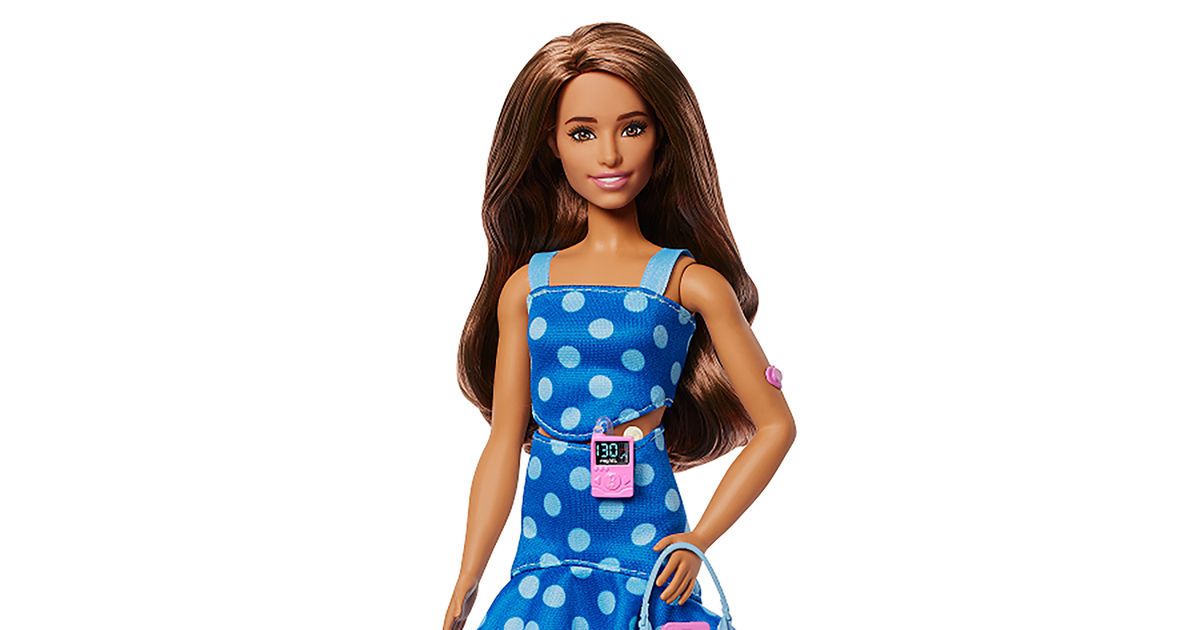
Parents and advocates praise this move for raising awareness. It sparks conversations about insulin therapy, blood glucose monitoring, and daily routines. And it shows that diabetic medical supplies are part of normal life.
2. Teen Advocates Push for Research Funding
On Capitol Hill, 16-year-old Ruby Whitmore spoke about Type 1 diabetes research needs. She called for faster breakthroughs in insulin pumps and CGMs. Ruby’s testimony to the Senate Appropriations Committee highlighted cost barriers. Many families skip doses or ration supplies when prices rise (wgme.com).

Her message is clear: access to advanced diabetic supplies must improve. More funding can drive innovation in devices and reduce out-of-pocket costs.
3. MIT’s Implant Stops Dangerous Hypoglycemia
Engineers at MIT created a small implant that lives under the skin. It stores glucagon—a hormone that raises low blood sugar. When levels drop too low, the device releases a dose automatically or by remote signal. Tested in diabetic mice, it prevented sugar crashes for up to four weeks (interestingengineering.com).
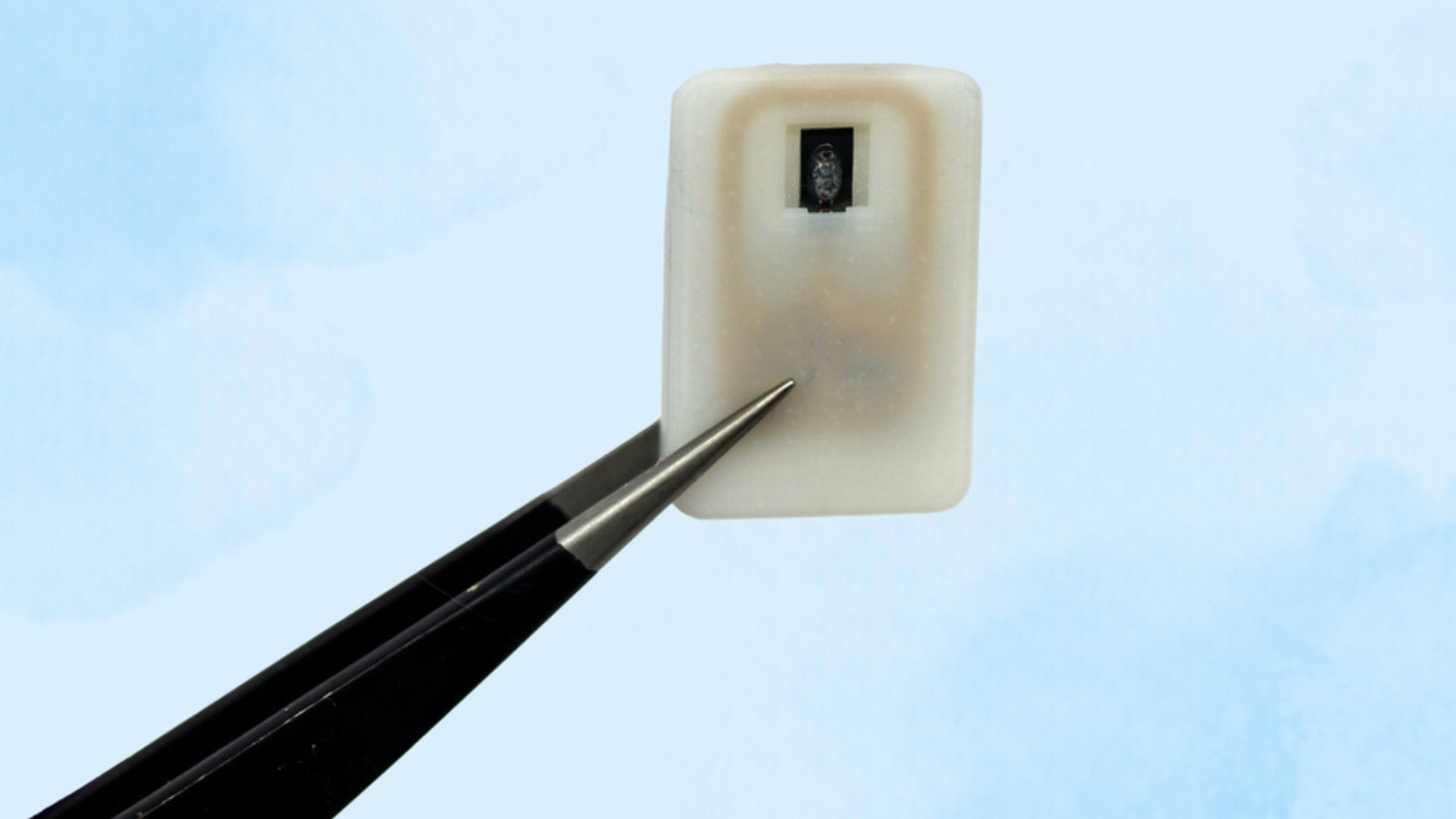
If human trials go well, this could be huge. It means fewer emergency snacks and less worry about severe hypoglycemia. It also changes how people use testing supplies and rescue carbs.
4. Digital Platforms for Personalized Diet Goals
Nutri is a new digital tool that helps primary care doctors set diet goals with patients. In Texas, 81% of users set a goal during their visit. Over half started that goal within a week. Nutri analyzes what you eat and highlights key areas for improvement. It makes nutrition counseling faster and more tailored (news-medical.net).
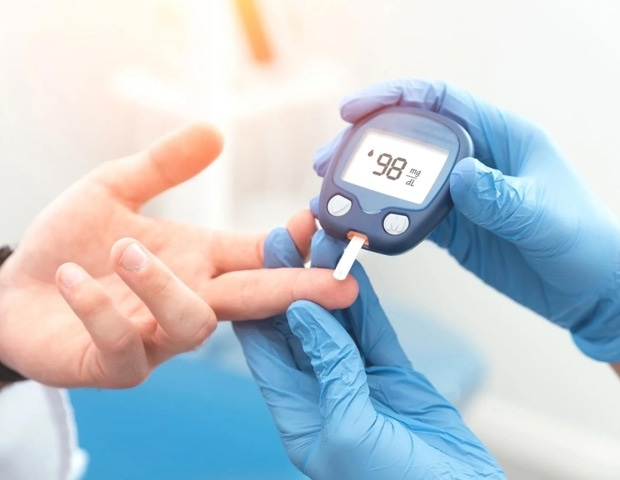
Better diet plans can lower A1C and reduce reliance on insulin or other drugs. It also affects how often you buy diabetic testing supplies and snacks.
5. Understanding Low Blood Sugar Beyond Diabetes
You don’t need diabetes to feel shaky and sweaty. Non-diabetic hypoglycemia happens when your pancreas overreacts after a meal. It can occur on a low-carb diet, if you skip meals, or take certain supplements. Dr. Susan Savery says it shows up when blood sugar dips below 70 mg/dL (womansworld.com).

Symptoms include shaking, sweating, and lightheadedness. A continuous glucose monitor can help track these dips. If you test more often, you’ll know when to eat or adjust your meals.
Why This Matters for Your Supplies
New tech and tools mean different supplies. You might need advanced diabetic supplies like implants, updated CGMs, and fresh test strips. Older or unused items can gather dust. Instead of letting them expire, you can sell diabetic supplies for cash. Companies like DiabeticSupplies.Online buy test strips, insulin pumps, and more. This gives you money to invest in the latest devices you really need.
FAQ – People Also Ask
What is non-diabetic hypoglycemia?
It’s low blood sugar in people without diabetes, often caused by reactive insulin release after meals, dieting, or skipping food.
How does the MIT glucagon implant work?
A small device under the skin stores glucagon. When glucose falls too low, it releases glucagon to raise blood sugar automatically.
Why is the Type 1 diabetic Barbie important?
It gives children with diabetes representation in toys. Seeing insulin pumps and CGMs on a Barbie helps normalize daily care and opens discussions.
Can digital apps improve diet for diabetes?
Yes. Platforms like Nutri analyze your food intake, guide goal setting with doctors, and track your progress in real time.
What should I do with unused diabetic supplies?
Instead of tossing them, sell your diabetic testing supplies or donate them. DiabeticSupplies.Online buys unused supplies for cash by mail.