Diabetes management is evolving fast. Recent studies highlight hidden risks and promising therapies. AI tools now predict complications. Traditional and Western medicines work together in new ways. If you’re living with diabetes, these breakthroughs could change your care. And if you have unused diabetic testing supplies, you can turn them into cash with DiabeticSupplies.Online.
New Therapies Targeting Microvascular Complications
Microvascular complications—retinopathy, nephropathy, neuropathy—remain major challenges. Several recent trials shed light on safer and more effective treatments.
- Statins vs NPC1L1 Inhibitors: A study found that NPC1L1 inhibitors may cut the risk of diabetic microvascular damage. Meanwhile, HMG-CoA reductase inhibitors (statins) appeared to raise the risk of retinopathy, nephropathy, and neuropathy. Discuss your medications with your doctor to balance cardiovascular and microvascular health.
- Oral Therapy for Diabetic Macular Edema: Boehringer Ingelheim has launched a Phase II trial testing a first-in-class oral treatment for diabetic macular edema. Early results on vision improvement (BCVA) are expected soon. This could offer a convenient alternative to eye injections.
- Metformin’s Promise in Retinopathy: Research in Cureus suggests metformin reduces inflammation, oxidative stress, and vascular leaks in the retina. It may work by blocking PI3K/Akt and MAPK/ERK pathways, offering more protection beyond blood sugar control.
- Diabetic Cardiomyopathy and TCM: A review in Frontiers in Endocrinology highlights Traditional Chinese Medicine’s multi-target effects against inflammation, fibrosis, and oxidative stress in the diabetic heart. Herbs like Shenmai injection may complement standard therapies.
Link Between Eye and Heart Health
Diabetic retinopathy isn’t just an eye issue. Its severity can signal heart trouble.
- A cohort of 1,503 patients with diabetes and chronic kidney disease underwent fundus photography. Severe retinopathy predicted higher acute heart failure hospitalizations over five years. Using retinopathy grading could improve cardiovascular risk stratification in routine care.
Advances in Early Detection and Monitoring
Timely detection of blood sugar changes and complications can prevent emergencies.
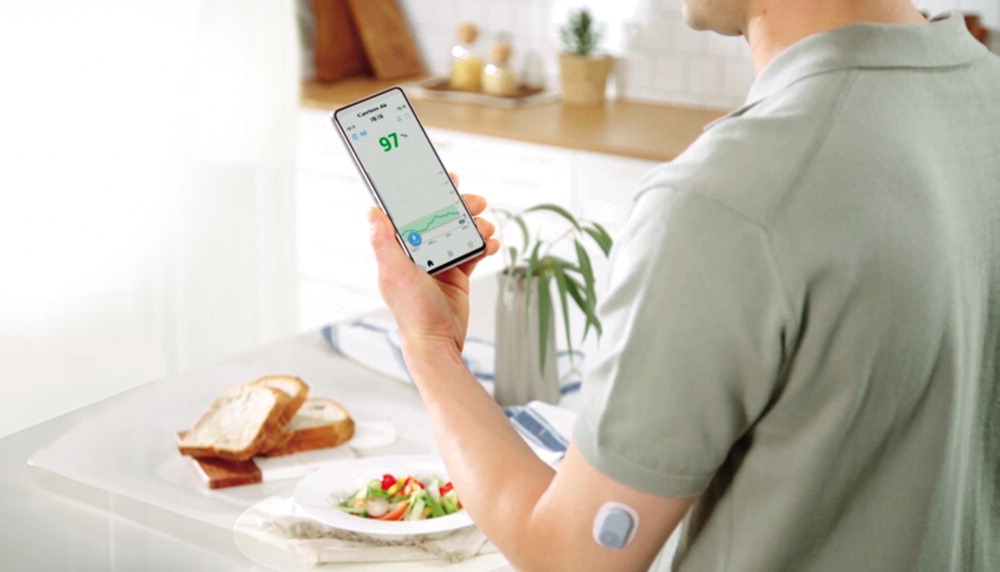
A team is developing a sensor to report blood glucose levels in just 30 minutes. Every second counts for someone with diabetes. Faster readings could cut hypo- and hyperglycemia events (mk.co.kr).- AI for Diabetic Foot Heart Events: Researchers built three machine learning models—logistic regression, random forest and SVM—to predict major adverse cardiovascular events (MACE) in patients with diabetic foot. The random forest model achieved an AUC of 0.70, offering a tool for personalized care plans (Frontiers).
- XGBoost for Wound Recurrence: Another study used XGBoost to predict wound recurrence in diabetic foot ulcers treated with antibiotic-loaded bone cement. The model showed high accuracy (AUC 0.85 training, 0.71 test) and flagged key factors like γ-GT and peripheral vascular disease for preoperative assessment (Frontiers).
Uncovering Hidden Risk Factors
Some lab markers and nutrient levels can signal worsening complications.
- Uric Acid to HDL Ratio & Kidney Disease: A cross-sectional study of 7,138 US adults from NHANES found a 573% higher prevalence of diabetic kidney disease (DKD) in the top quartile of uric acid to high-density lipoprotein (UHR) ratio, compared to the lowest quartile. Age modified this effect (Nature).
- Vitamin B12 and Neuropathy: In a hospital-based study, 34.7% of patients with diabetic peripheral neuropathy (DPN) were deficient in vitamin B12 versus 14.1% without DPN. Deficiency linked to worse neuropathic pain, supporting routine B12 screening and supplements (Cureus).
- Medication Trends in Older Adults: A 10-year retrospective in Japan showed rising use of sulfonylureas and insulin in seniors, with falling metformin use. Hypoglycemia rates were highest in those needing more care, underscoring individualized therapy selection (Cureus).
Integrative Approaches: Exercise, Diet, and TCM
Combining lifestyle and traditional treatments shows promise.
- Resistance Training & Ursolic Acid: An 8-week rat study found that ladder-climbing exercise plus ursolic acid reduced harmful hepatokines (ANGPTL6, Fetuin A) more than UA alone. This combo may boost glucose metabolism in older diabetics (Nature).
- TCM in Diabetic Kidney Disease: A Frontiers review details how Chinese patent medicines like Bailing Capsule and Huangkui Capsule, paired with Western drugs, correct lipid disorders in DKD. Multi-target actions support kidney function and lipid balance.
Stories & Support: A Diabetic Alert Dog for Safety
Beyond research, real-life support matters. Karrington and Zachary Bostick seek funds for a Diabetic Alert Dog for their son Declan, who is hypo- and hyper-unaware. A trained dog could warn 15–30 minutes before his CGM alarms, potentially saving his life. Learn more or donate to their GoFundMe (riverbender.com).

Regional Market Trends: Latin America on the Rise
The Latin America diabetes devices and therapeutics market is booming. A recent report forecasts 8% CAGR from 2025 to 2029, hitting $6.33 billion this year. Growth drivers include rising diabetes rates, digital health uptake, and regulatory reforms. Opportunities span insulin pumps, glucometers, and telehealth integrations.
What These Updates Mean for You
These studies and innovations highlight the need for personalized diabetes care. Talk with your healthcare team about the risks of statins, the promise of NPC1L1 inhibitors, and the benefits of faster glucose monitoring. Consider integrative therapies like exercise with ursolic acid or TCM formulas if appropriate.
And if you have unopened or expired diabetic testing supplies—test strips, lancets, CGMs—you can sell unused diabetic supplies for cash. DiabeticSupplies.Online buys diabetic supplies near you, including test strips, lancets, and more. Turn your extra supplies into money fast. Visit our diabetic supplies company page to learn how.
FAQ – People Also Ask
How do NPC1L1 inhibitors protect against diabetic complications?
NPC1L1 inhibitors lower cholesterol absorption in the gut. A recent study showed they also reduce inflammation and blood vessel damage in the eyes, kidneys, and nerves, cutting microvascular complication risks.
Can metformin really help diabetic retinopathy?
Research indicates metformin’s anti-inflammatory and antioxidant effects may slow retinal damage by blocking key signaling pathways. More clinical trials are ongoing.
What is the UHR ratio and why does it matter?
The UHR (uric acid to HDL cholesterol) ratio reflects metabolic stress. Higher UHR strongly correlates with diabetic kidney disease risk and could guide early intervention.
Is AI accurate for predicting diabetic foot complications?
AI models like random forest and XGBoost have shown AUCs of 0.70–0.85 in predicting cardiovascular events and wound recurrence. They can assist clinicians in planning personalized care.
How can I sell my unused diabetic supplies for cash?
You can contact DiabeticSupplies.Online to get a mailing kit and prepaid label. Send in your sealed, unexpired test strips, lancets, and CGMs. Receive payment quickly—helping you clear clutter and earn cash.