Today’s diabetes news brings inspiring personal stories alongside cutting-edge research. From an Island runner chasing Boston dreams to novel therapies that may reshape treatment, these updates matter for everyone managing blood sugar. Learn what’s new and why it could affect your health—and your wallet if you have unused diabetic supplies.
Inspiring Journeys: Overcoming Diabetes Through Determination
A diagnosis doesn’t have to slow you down. Mike Hogan was 45 when he learned he had type 1 diabetes early in 2024. Instead of retiring from running, he ramped up training for the P.E.I. Marathon. Despite a stolen phone and the constant need to monitor blood sugar, he raised $800 for Breakthrough T1D and completed the 2025 Bath Half Marathon.

Source: ca.news.yahoo.com
Mike now targets a full marathon this fall and hopes to qualify for Boston within two years. His story shows how careful glucose monitoring and insulin therapy (Insulin Therapy) can support peak athletic performance.
Meanwhile, 66-year-old Will McKechnie faced a pre-diabetes alert that stunned him. He cut out nightly snacks, ate mindfully for 40 minutes per meal, and chose whole foods over processed treats. Nine months later he’d lost 27 pounds and brought his A1C from 6.2% to 5.9%.
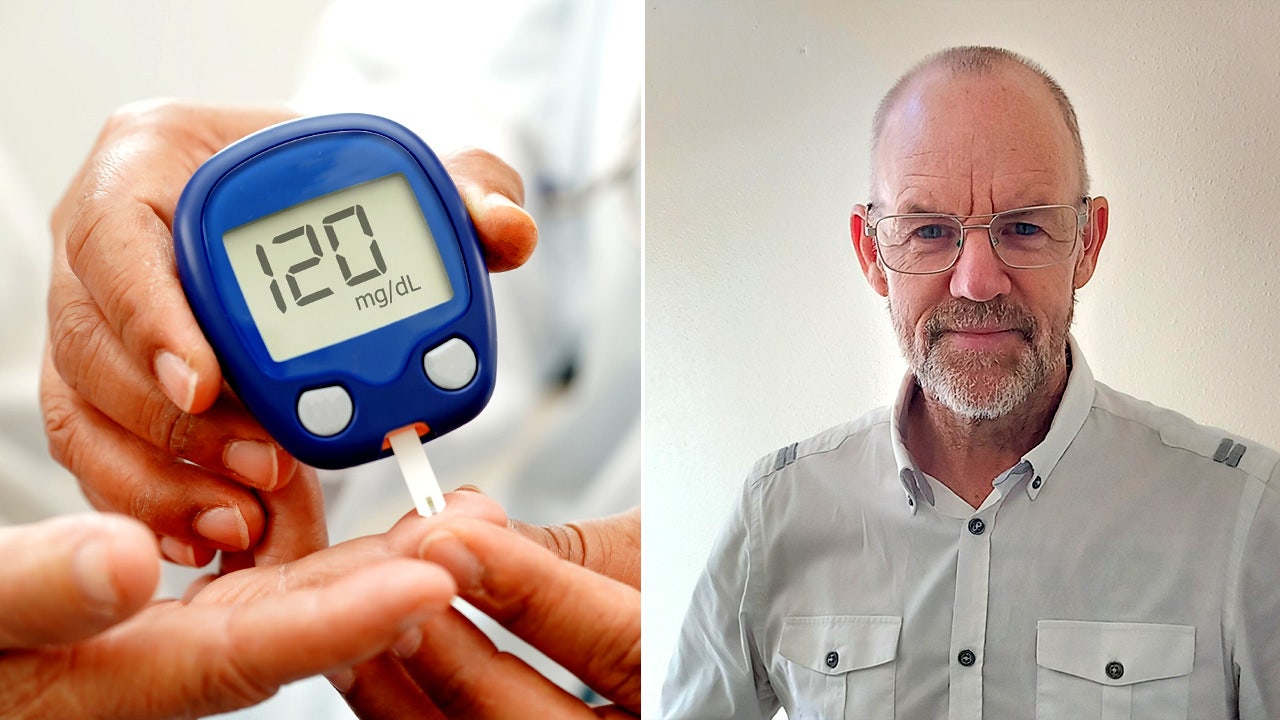
Source: foxnews.com
Both stories highlight the power of diet, exercise and regular checks (A1C, Blood Glucose Monitoring). And if you’re sitting on unused test strips or insulin pump supplies, you can turn them into cash with mail-in programs like DiabeticSupplies.Online.
Breakthrough Research: From Spleen Transplants to APJ Agonists
Scientists at Nanjing University uncovered a surprising ally against type 1 diabetes: the spleen. By “shielding” islet cells and transplanting them into the spleen rather than the liver, researchers boosted cell survival. They hope to engineer the spleen into a transplant hub with nanoparticles.
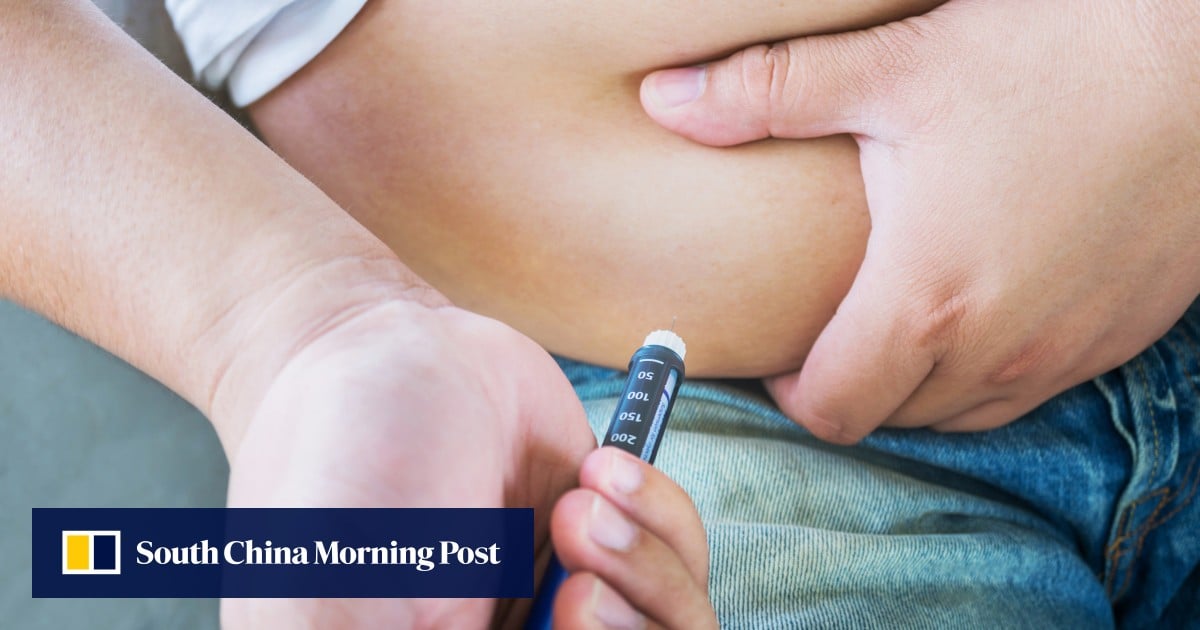
Source: scmp.com
If clinical trials confirm safety and effectiveness, the spleen could become an ideal site for islet transplantation. This Medical Research could reduce reliance on donor organs and improve long-term outcomes for people with T1D.
On the obesity front, BioAge Labs reported that its APJ agonist therapy doubled weight loss when paired with GLP-1 drugs. In diabetic models, the treatment cut HbA1c to near-normal levels and improved glucose tolerance by 25%. Cardio benefits also emerged, with reduced heart injury markers in heart failure models.

Source: stocktitan.net
BioAge plans an IND filing in 2026 for oral and injectable APJ agonists. These therapies could act as pharmacological exercise mimetics, offering new hope for patients with diabetic obesity and heart failure (Cardioprotective).
Advances in GLP-1 Therapies: From Semaglutide to Oral Agonists
GLP-1 receptor agonists are multiplying. At ADA 2025, the STRIDE trial showed semaglutide improved walking distance and cut progression of peripheral artery disease (PAD) by 54% in type 2 diabetes patients.
Source: pharmacytimes.com
Another analysis in the New England Journal of Medicine confirmed semaglutide lowers the risk of cardiovascular events like heart attacks and strokes in patients with type 2 diabetes and PAD (SGLT2 Inhibitors used concurrently did not affect results).
Meanwhile, two trials of orforglipron, the first oral non-peptide GLP-1 agonist, reported strong HbA1c and weight reductions. In ACHIEVE-1, 1,016 patients saw a 2.1% drop in A1C and 4.3 kg weight loss over 26 weeks versus placebo.
Early type 2 diabetes patients on orforglipron also reached A1C of 6.5% with 4.5-7.6% body weight loss. This daily pill can be taken anytime and may offer an alternative to injectables.
Not all news is positive. A recent study linked GLP-1 agonists to double the risk of neovascular age-related macular degeneration (nAMD) in diabetic patients. Eye health monitoring is critical for anyone on these drugs.

Source: wordpress-1455827-5472931.cloudwaysapps.com
Work with your doctor to balance benefits and monitor vision (Medical Alerts).
Technology Transforming Diabetes Care
The ADA named three winners in its Innovation Challenge. Kihealth created a test to measure beta cell death. MYNERVA designed an AI-driven smart sock for neuropathy detection. Kayothera developed a first-in-class retinoid pathway antagonist to treat and possibly reverse type 2 diabetes.

Source: prnewswire.com
At the same meeting, experts highlighted emerging technologies: Continuous Glucose Monitoring (CGMs) may catch glucose spikes before they start. Pharmacy students and patients alike should embrace lifelong learning through podcasts, webinars, and online courses to stay current.
Pregnant women with type 1 diabetes benefited from closed-loop therapy. In a trial of 40 subjects, closed-loop users achieved a mean A1C of 6.3% versus 7.1% for standard pumps, and had fewer hypoglycemic episodes.

Source: hcplive.com
These tech advances promise better control, fewer complications, and a brighter future for people with diabetes (Diabetes Tech).
Prevention and Lifestyle: Personalized Programs and Nutritional Insights
Prevention efforts can be personalized. The VA MOVE! program has guided veterans for 15 years through tailored coaching, meal planning and exercise to delay or prevent type 2 diabetes.

Source: hcplive.com
Nutrition studies show phytosterols, found in nuts, seeds, legumes and whole grains, can cut type 2 diabetes risk by 8% and heart disease by 9%. A healthy gut microbiome may amplify these benefits.

Source: aol.com
Unfortunately, diabetes is rising worldwide. In China, 233 million adults had diabetes by 2023—a 163% jump since 2005 and projected to hit 29.1% prevalence by 2050 without major intervention.

Source: chinadailyhk.com
These numbers underscore the need for public health action, education and early lifestyle changes (Diabetes Prevention).
Unexpected Benefits: Diabetes Drugs and Other Conditions
Researchers found certain diabetes medications may also slow prostate cancer recurrence. Targeting a specific protein could reduce cancer progression in diabetic patients—though more study is needed to apply these findings more broadly.
In a small trial, a novel drug cured cases of severe diabetes—marking a potential milestone in treatment. Details remain limited, but the study shows the power of innovative therapeutics in transforming lives.
Every advance reminds us that diabetes care spans beyond sugar management, touching cancer, heart health and more.
Sell Your Unused Diabetic Supplies for Cash
If you have unused test strips, insulin pump parts or other diabetic supplies, don’t let them expire in your drawer. DiabeticSupplies.Online buys your unused diabetic supplies for cash via easy mail-in. Turn your surplus into money today.
FAQ – People Also Ask
How can I qualify for the Boston Marathon with type 1 diabetes?
Monitor your blood sugar closely during training, adjust insulin doses before runs, and work with an endocrinologist on a personalized plan. Use continuous glucose monitors to avoid highs and lows.
What is APJ agonism and how does it help diabetes?
APJ agonists target the apelin receptor to mimic exercise effects. In studies they doubled weight loss when combined with GLP-1 drugs, improved glucose tolerance and offered heart protection.
Are oral GLP-1 agonists like orforglipron safe and effective?
Early trials show significant A1C reductions and weight loss with a safety profile similar to injectable GLP-1 drugs. Orforglipron can be taken once daily without meal restrictions.
How can I prevent type 2 diabetes with diet and lifestyle?
Engage in personalized programs like VA MOVE! for coaching on meal planning and exercise. Include phytosterol-rich foods (nuts, seeds, legumes) and practice mindful eating to manage weight and blood sugar.
Who buys unused diabetic supplies near me?
Mail-in services like DiabeticSupplies.Online purchase unused test strips, insulin pump supplies and other diabetic products for cash. They ship you a kit and pay once supplies arrive.