Diabetes research is moving fast. New drugs and devices mean better lives for millions. This post covers semaglutide’s vascular benefits, stem cell therapies, once-weekly insulin, inhaled options for kids, advanced glucose monitors and safety updates. You’ll also learn global trends and practical tips. Read on for the latest in diabetes care and how to get money for unused diabetic supplies.
Semaglutide Shows Vascular Benefits Beyond Glycemic Control
Semaglutide is best known for lowering blood sugar and weight. But new data suggest it also helps people with peripheral artery disease (PAD) and type 2 diabetes walk farther and feel better. A recent analysis of the STRIDE trial of 792 patients found that at week 52, those on semaglutide improved their maximum walking distance by a median ratio of 1.21 vs 1.08 on placebo. Patients reported fewer symptoms and a higher quality of life. Semaglutide was well tolerated, with no treatment-related deaths and few serious events. The benefits held true across A1C levels, diabetes duration and BMI categories (vascularnews.com).
Other trials, like REDFINE 1 and REDEFINE 2, confirm semaglutide’s cardio protection. In those studies, patients saw fewer heart attacks, strokes and cardiovascular deaths compared to placebo. These findings make semaglutide a vascular protective medication with perks beyond weight loss and A1C control (hcplive.com).
Islet Cell Therapy: A New Frontier in Type 1 Diabetes
For people with type 1 diabetes, daily insulin can mean a life of injections and glucose checks. Vertex Pharmaceuticals is testing a stem cell-derived islet cell therapy, zimislecel (VX-880), that could change that.
In the Phase I/II FORWARD-101 trial, 12 subjects received a full dose of zimislecel and were followed for at least one year. All showed engraftment with glucose-responsive C-peptide production. They hit American Diabetes Association targets for HbA1C and time in range. Severe hypoglycemia vanished, and 83% became insulin free by month 12. The therapy was safe, with no serious treatment-related events (clinicaltrialsarena.com, fiercebiotech.com, biospace.com).
Weekly Insulin: A Game Changer for Type 2 Diabetes
Daily insulin shots can be a burden. A new option, once-weekly insulin efsitora, offers the same control with fewer injections. In the QWINT-1 trial with 330 patients, weekly efsitora cut A1C by 1.4% vs daily insulin. It halved hypoglycemia rates (12.1% vs 24.1%). Another study with over 2,000 participants confirmed noninferior A1C reductions vs insulin glargine and degludec. Level 2 and 3 low sugar events were lower. Most stayed on a fixed dose to keep glucose steady. Experts call this a potential “game changer” (hcplive.com, healio.com).
Inhaled Insulin: Lighter Burden for Children
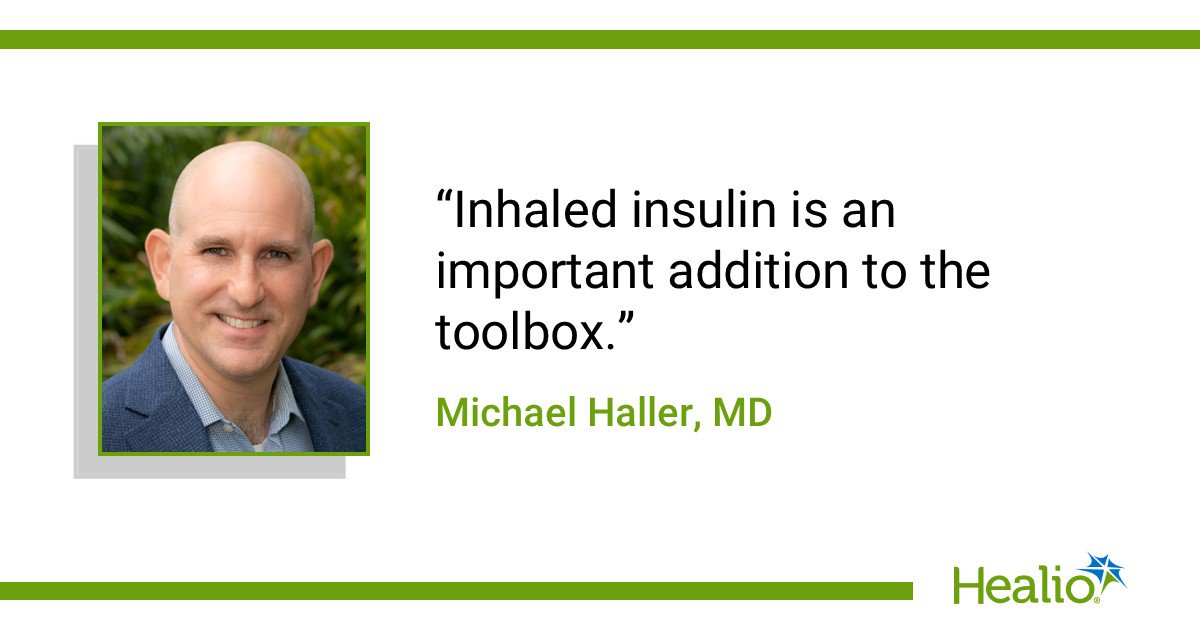
Kids and teens with diabetes face daily injections. In the INHALE-1 trial, technosphere insulin (Afrezza) proved safe and effective for ages 4–17. Over 230 participants had similar A1C control at 26 weeks vs injected analog insulin. They had lower BMI percentiles and higher treatment satisfaction. Hypoglycemia rates were similar. Inhaled insulin offers a needle-free alternative for young patients (healio.com).
Advanced Glucose Monitoring for Type 2 Diabetes
Continuous glucose monitors (CGMs) are moving from type 1 to type 2 care. At ADA 2025, Dexcom’s CEO Kevin Sayer called CGMs a real-time “scoreboard” for health. Users see how meals, drugs and activity affect sugar. CGMs cut A1C, boost confidence, ease stress and may lower costs by reducing clinic visits. AI integration is on the horizon, with better alerts and pattern insights. Early studies hint at improved heart and kidney outcomes too (pharmacytimes.com, hcplive.com).

Risks and Safety in Diabetes Treatments
New treatments can bring new risks. A Canadian study of 139,000 patients found those on GLP-1 receptor agonists like Ozempic or Mounjaro had twice the risk of neovascular age-related macular degeneration. The longer the use, the higher the risk. Patients should have regular eye exams and discuss risks with their doctor (foxnews.com).
Separately, the 2024 Consensus Report on hyperglycemic crises updates how we diagnose and treat DKA and HHS. It recommends direct beta-hydroxybutyrate tests, fluid and electrolyte protocols, severity categories, and careful glucose targets to avoid complications. Familiarize yourself with these guidelines to act fast in emergencies (consultqd.clevelandclinic.org).

Global Trends and Research in Diabetes
- China now has about 233 million people with diabetes. This underscores the need for better prevention and care worldwide (nationthailand.com).
- A global consensus process identified 49 core measures for type 2 diabetes research. Standardizing data—like demographics, medication adherence and quality of life—will boost global studies and help share best practices (frontiersin.org).
- Researchers at UT Dallas found a link between Nageotte nodules and nerve cell death in diabetic neuropathy. This could lead to new diagnostics or treatments for diabetic nerve pain (cloudwaysapps.com).
Managing Your Diabetic Supplies
If you have unused or expired diabetic testing supplies, consider getting cash back. DiabeticSupplies.Online buys unused diabetic supplies by mail. Learn how to sell your diabetic supplies for cash. Turn your extra test strips or insulin pens into money. Visit our site to start today.
FAQ – People Also Ask
How can I sell unused diabetic supplies for cash?
Mail your unopened, in-date test strips, lancets and insulin pens to a reputable buyer like DiabeticSupplies.Online. Get a free quote online, ship your supplies, and receive payment by check or PayPal.
What are the main benefits of once-weekly insulin?
Once-weekly insulin efsitora matches daily insulin in A1C control. It reduces injection burden and hypoglycemia risk. Many patients stay on a fixed dose, simplifying treatment.
Should I worry about eye disease on GLP-1 medications?
A recent study showed a higher risk of neovascular AMD with long-term GLP-1 use. Discuss risk factors with your doctor and schedule regular retinal exams.
Are islet cell therapies safe for type 1 diabetes?
Early trials of zimislecel report a favorable safety profile. No serious treatment-related events were linked, and many patients achieved insulin independence.
How do CGMs help people with type 2 diabetes?
CGMs provide real-time glucose readings. Users see how meals, meds and activity affect sugar. This insight can lower A1C, reduce stress and improve overall health.