Diabetes researchers and clinicians are busy. New studies on cell protection, advanced models, and smart treatments are changing the game. From stopping cell death in beta cells to mimicking exercise with a tiny molecule, today’s breakthroughs promise better care. Read on to see the latest in diabetes science and find out how you can turn unused diabetic supplies into cash with DiabeticSupplies.Online.
Shielding Pancreatic Cells & Advanced Models
Protecting insulin-producing cells is key to preventing type 1 diabetes and improving therapies.
- Berberine Stops Ferroptosis: Berberine, a plant compound, blocks ferroptosis in NIT-1 pancreatic cells by inhibiting OGT expression. It boosts glutathione, lowers iron and reactive oxygen species, and may help preserve beta cells in early T1DM (nature.com).
- 3D Vascularized Organoids: Scientists built the first vascularized pancreatic islet organoid with mature beta cells and blood vessels. These organoids secrete more insulin and can model type 1 diabetes better than flat cultures. They may speed up cell therapy research (technologynetworks.com).
- Protocatechualdehyde for Cataract: PCA, a natural phenolic, reduced lens opacity in diabetic cataract models by boosting GLO1 and blocking AGEs/RAGE. It may offer a new way to slow vision loss from diabetes (frontiersin.org).
- Trace Elements in Pregnancy: A study of 111 pregnant women found that higher copper and iron levels in diabetic mothers can affect infant growth. Chromium was linked to better birth length. Monitoring trace elements could aid healthy pregnancies in women with diabetes (nature.com).
Innovative Treatments & Devices
New drug delivery systems and exercise mimics are making treatments smarter and more convenient.
- MOTS-c Mimics Exercise: MOTS-c, a small mitochondrial peptide, matched exercise benefits in diabetic rats. It improved liver function and reduced fibrosis via the Keap1-Nrf2-Smad2/3 pathway, offering an alternative for patients with limited mobility (nature.com).
- Continuous Eye Drug Delivery: The FDA approved Genentech’s implant for diabetic retinopathy. It delivers drugs nonstop to the eye and only needs occasional refills. This could cut treatment visits and maintain stable vision (wordpress-1455827-5472931.cloudwaysapps.com).

- Faricimab for Macular Edema: In real-world use, faricimab injections every 12–16 weeks improved vision and reduced retinal swelling in diabetic macular edema. Patients had fewer side effects and longer intervals between shots (hcplive.com).

- GLP-1 & SGLT-2 Updates from AACE: At AACE 2025, experts highlighted new GLP-1 receptor agonists and SGLT-2 inhibitors that offer better glucose control and heart protection. Personalized regimens showed real benefits in trials and practice (hcplive.com).

Smart Wound Care & Foot Health
Wounds and foot ulcers are common in diabetes. New dressings and compounds speed healing and fight infection.
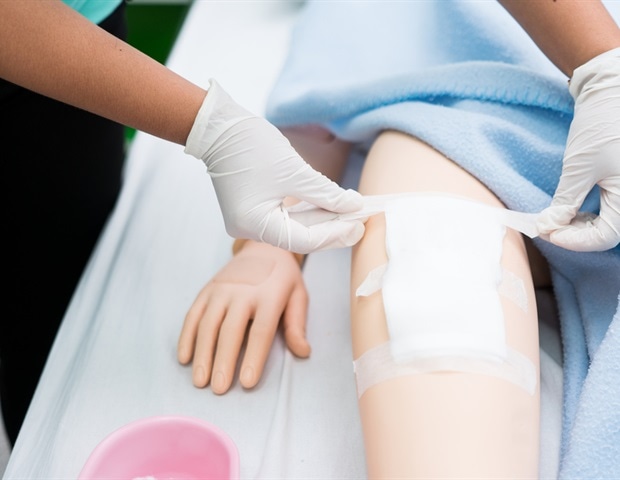
- Bioactive Dressings: Smart bandages now respond to pH, glucose, and temperature to release drugs when needed. These passive and active systems improve healing and cut infection risk in diabetic wounds (news-medical.net).
- Narirutin for Ulcers: This citrus-derived flavonoid switches macrophages to a healing state via AMPK/Mfn2 signaling. In mice, it sped skin repair, boosted collagen, and eased inflammation in diabetic wounds (frontiersin.org).
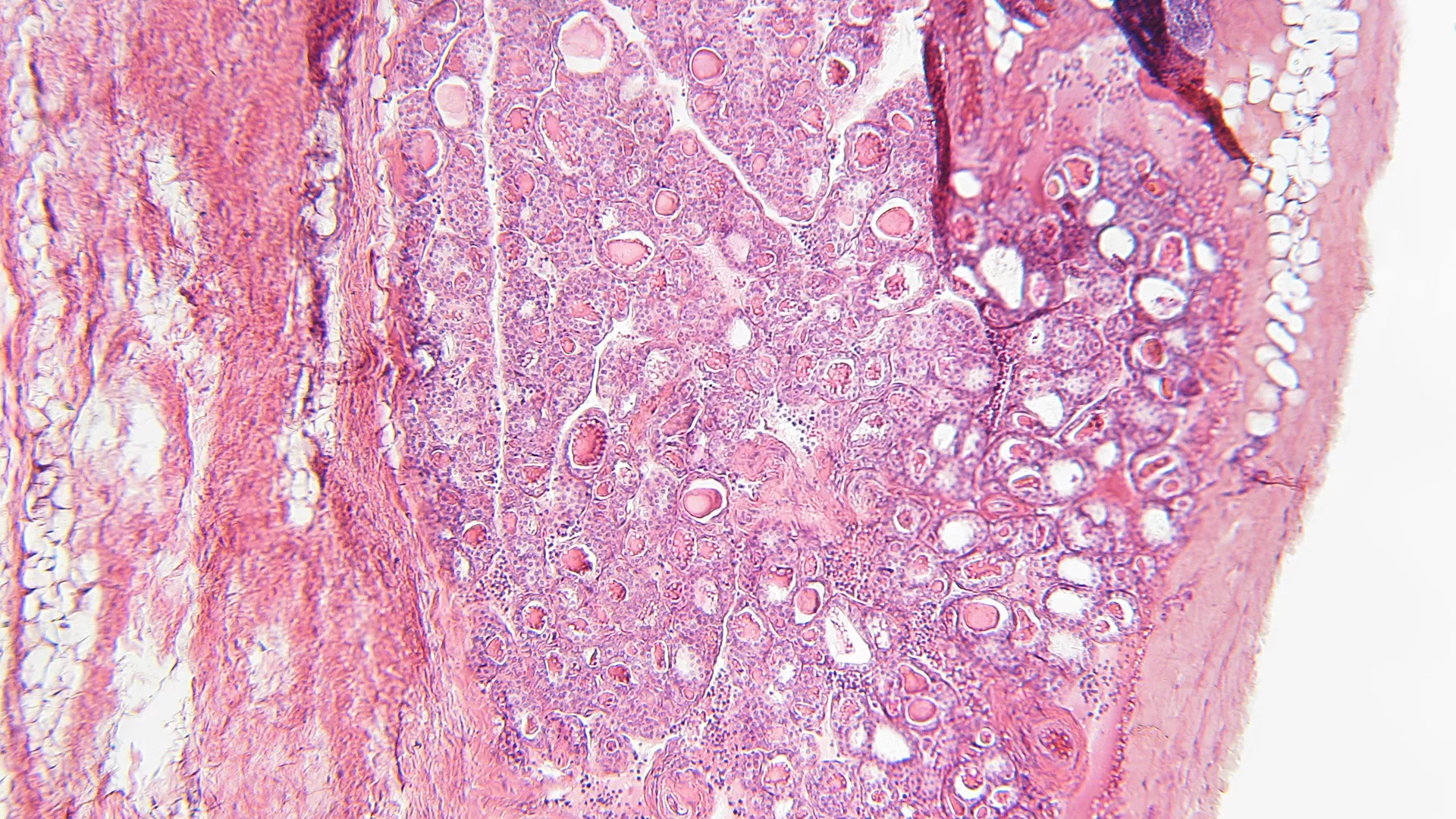
- HLA-DRB1 in Healing: High HLA-DRB1 levels delay wound closure and new vessel growth by altering miRNA_12118 and FLT-1. Targeting this axis could lead to therapies for stubborn diabetic foot ulcers (nature.com).
Managing Risks & Health Outcomes
Beyond treatment, identifying risks and boosting self-care are central to long-term success.
- Remnant Cholesterol & Mental Health: Higher remnant cholesterol raises the odds of type 2 diabetes and depression co-existing. Tackling these lipids might cut dual burdens and improve well-being (bmcpsychiatry.biomedcentral.com).
- Vitamin D Deficiency & Nephropathy: In Ethiopian T2DM patients, low vitamin D and the VDR TaqI tt genotype linked to diabetic kidney disease. Supplementation and genetic screening may guide prevention (frontiersin.org).
- Self-Management & Social Support: In Namibia, strong self-care habits and social support led to better fasting glucose. Programs that boost confidence and community ties can power real glycemic control (frontiersin.org).

- Peripheral Artery Disease in SSA: Over one-third of African T2DM patients have PAD. Risk factors include age, high LDL, BMI, and long diabetes duration. Routine PAD checks can catch problems early (frontiersin.org).

- Mild Cognitive Impairment: Older age, female sex, long diabetes duration, high HbA1c, low education, and vascular issues raise MCI risk in T2DM. Regular cognitive screening can spot trouble early (frontiersin.org).
- Pregnancy & Infant Growth: For pregnant women with diabetes, copper and iron levels inversely affected newborn size. Chromium boosted infant length. Monitoring metals may guide nutrition for healthy babies (nature.com).
Immunotherapy Side Effects to Watch
Some cancer treatments can lead to new diabetes or thyroid issues.
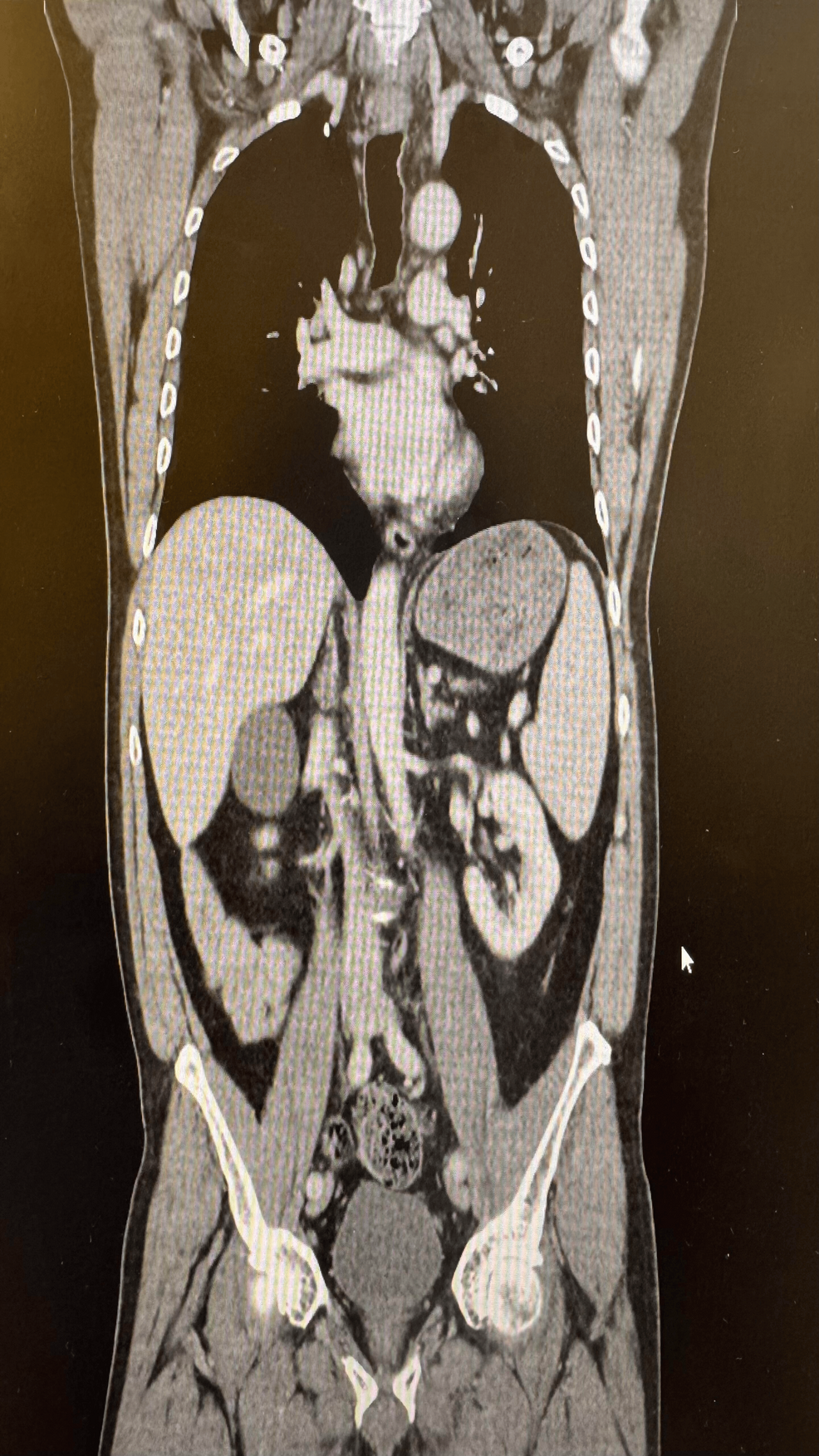
- Pembrolizumab-Induced Conditions: A lung cancer patient developed hypothyroidism and then type 2 diabetes after 12 cycles of pembrolizumab. Fatigue, weight gain, thirst, and urination spikes were warning signs. Close endocrine monitoring is vital for immunotherapy patients (cureus.com).
Why This Matters for You
Whether you’re living with type 1 or type 2 diabetes, these advances point to a brighter future. From preventing beta cell death to smarter wound dressings, the horizon is full of promise. Staying informed helps you ask better questions and seek the best care.
Got extra test strips or pumps? Turn them into cash! DiabeticSupplies.Online buys unused diabetic supplies by mail, helping you fund your next doctor visit or healthy meal plan. Sell your diabetic test strips, insulin syringes, and blood glucose meters for money today.
FAQ – People Also Ask
How does berberine protect pancreatic beta cells?
Berberine inhibits O-GlcNAc transferase (OGT), reducing ferroptosis. It boosts glutathione and antioxidant enzyme activity to keep beta cells alive under high glucose (nature.com).
What are the benefits of vascularized islet organoids?
They mimic real pancreas tissue with blood flow, boosting beta cell maturity and insulin output. This model helps study type 1 diabetes and test therapies (technologynetworks.com).
Can smart wound dressings really improve healing?
Yes. They sense pH or glucose and release antibiotics or growth factors when needed. This on-demand delivery cuts infection and speeds repair in diabetic wounds (news-medical.net).
What lifestyle support helps manage type 2 diabetes?
Self-management practices like regular glucose checks, diet planning, and exercise, combined with strong social support, lower fasting glucose and improve outcomes (frontiersin.org).
Who buys unused diabetic supplies near me?
DiabeticSupplies.Online offers cash for your extra test strips, syringes, and meters by mail. It’s easy, fast, and turns surplus supplies into money for your diabetes care.