Diabetes care is evolving fast. In just the past 24 hours, researchers and companies announced advances that could change how we detect, treat, and manage this condition. From repurposed HIV pills that protect your vision, to gene therapies that rebuild insulin production, and smart sensors for early nerve damage detection, there’s plenty to watch. We break down these breakthroughs and explain what they mean for you.
Vision-Saving HIV Drugs and New Retinopathy Therapies
Eye disease is a major complication for diabetics. Monthly injections can be painful and costly. Now an HIV pill, lamivudine, shows promise to protect the retina without needles.
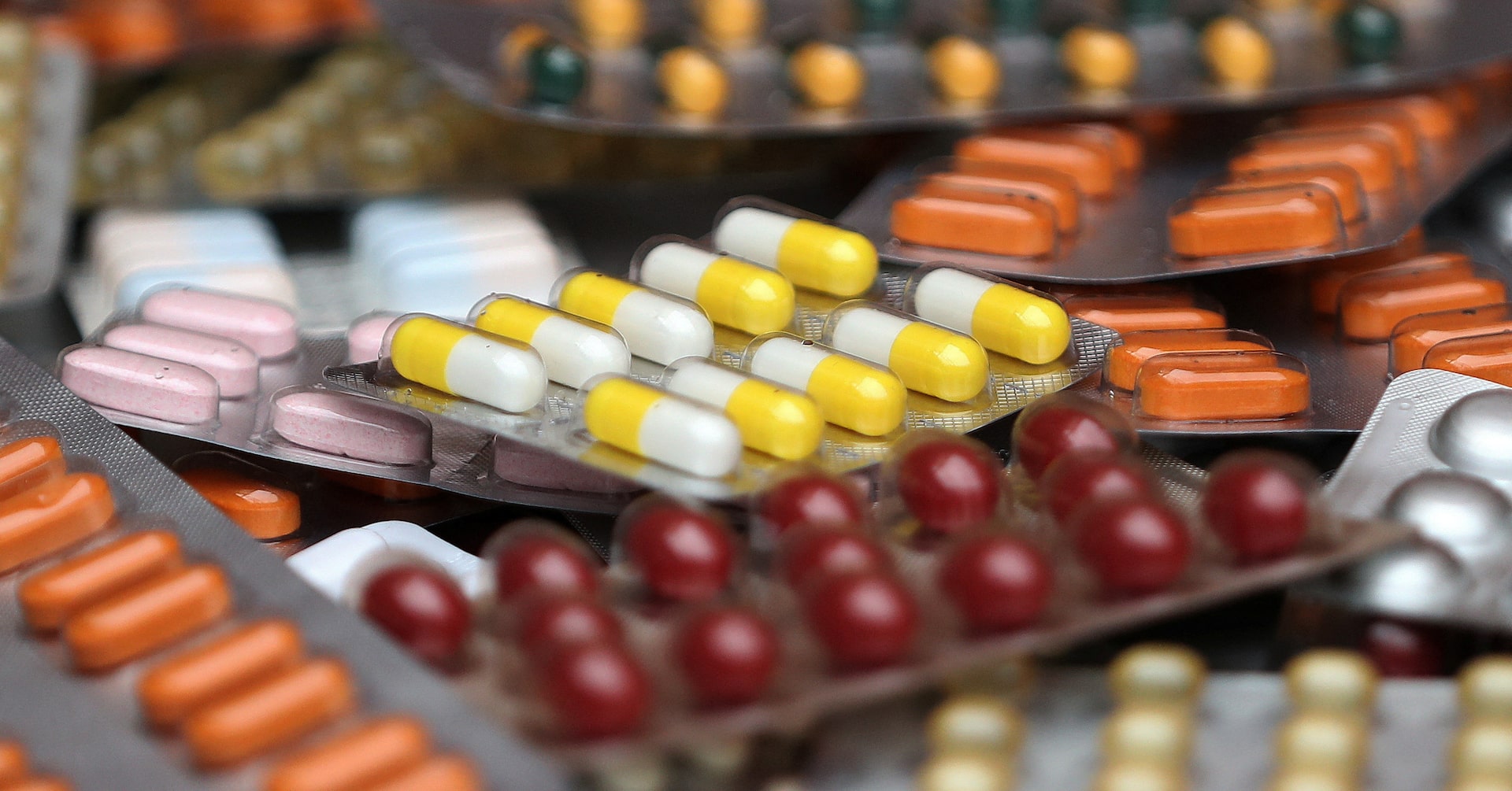
According to reuters.com, trials show lamivudine helps improve vision by blocking harmful inflammatory pathways. Patients gained up to two lines on an eye chart in weeks.

CBS19News reports a UVA Health trial confirming rapid vision gains in diabetic macular edema (DME) patients using oral lamivudine. It’s cheaper and more convenient than monthly injections.

Another small clinical trial noted in news-medical.net showed an average gain of nearly 17 letters on the eye chart after one month. Researchers are also testing a next-generation version, K9, which may work even better with fewer side effects.
Beyond HIV drugs, new compounds are in the pipeline. An experimental drug, 32-134D, inhibits HIF proteins that cause vessel leakage in the retina. A study in opticianonline.net found it reduced vessel overgrowth in diabetic mice. Clinical trials are on the horizon.
For those already battling DME, hcplive.com highlights fluocinolone acetonide eye implants that release medication slowly. They cut DME risk by 50% compared to traditional methods, offering long-term relief.
Early Nerve Damage Detection and Foot Care Solutions
Peripheral neuropathy affects up to half of diabetics. Catching it early can prevent ulcers and amputation.

tradingview.com covers VibroSense Dynamics’ collaboration with Complutense University of Madrid. The VibroSense Meter II measures vibration at multiple frequencies. It could spot nerve damage before standard tests do.
On the preventive gear side, the diabetic socks market is growing fast. openpr.com predicts a 5.4% CAGR through 2026. Better socks reduce ulcers by cushioning and wicking moisture.

Meanwhile, the Europe Diabetic Foot Ulcers Market will hit $3.21 billion by 2033, per marketdataforecast.com. Early wound care and multidisciplinary teams are key drivers.
Gene and Cell Therapies: The Future of Insulin Production
Rather than daily insulin shots, what if your body could make its own again?

prnewswire.com reports that Genprex showed positive GPX-002 data at ASGCT 2025. In mouse and non-human primate models, an AAV vector delivered Pdx1 and MafA genes to convert alpha cells into insulin-producing beta-like cells.
Early studies needed immunosuppression to avoid an antiviral response. Researchers are refining therapy to balance immune control and lasting benefit.

At the cutting edge of cell therapy, a team developed vascularised stem cell organoids that mimic pancreatic islets, says drugtargetreview.com. These lab-grown clusters include blood vessels. They secrete more insulin in response to glucose than models without vessels. In mice, grafts of these organoids improved outcomes. This may lead to new beta cell replacement therapies.
Personalized Management: Testing, Drugs and Lifestyle
Better tools and strategies help you stay on track.
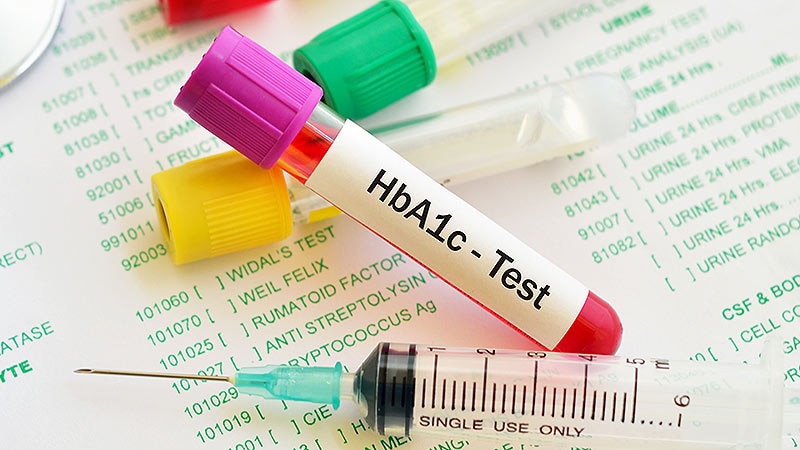
Medscape reviews point-of-care A1c testing. You get lab-style results in minutes. Only FDA-cleared devices are reliable. It’s useful for monitoring control, but labs remain the gold standard for diagnosis.
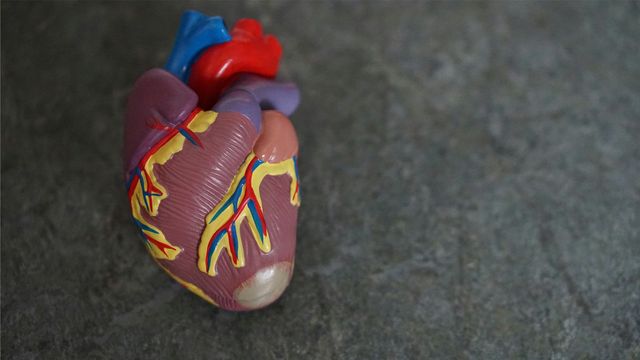
Timing matters for heart health. A study in the Journal of the American Heart Association shows that starting statins immediately cuts heart attack and stroke risk by one-third versus delayed use, reports technologynetworks.com. Don’t wait to protect your heart.
A drug you already take may help other issues. clinicbarcelona.org found dapagliflozin improves outcomes after TAVI heart procedures. It lowers death or hospital admission for heart failure. An added bonus for Type 2 patients at risk of aortic stenosis.
On the diet front, a BYU meta-analysis of over half a million people shows sugar source matters. news.byu.edu reports that liquid sugars in soda and juice spike risk. Whole fruits, dairy, and grains have no link or may protect, thanks to fiber and nutrients slowing glucose surges.
Older patients with muscle loss (sarcopenia) walk differently. A Nature study compared gait in Type 2 diabetics with and without sarcopenia. Those with muscle loss had slower speed, shorter steps, and limited joint motion. Early screening for sarcopenia could prevent falls.
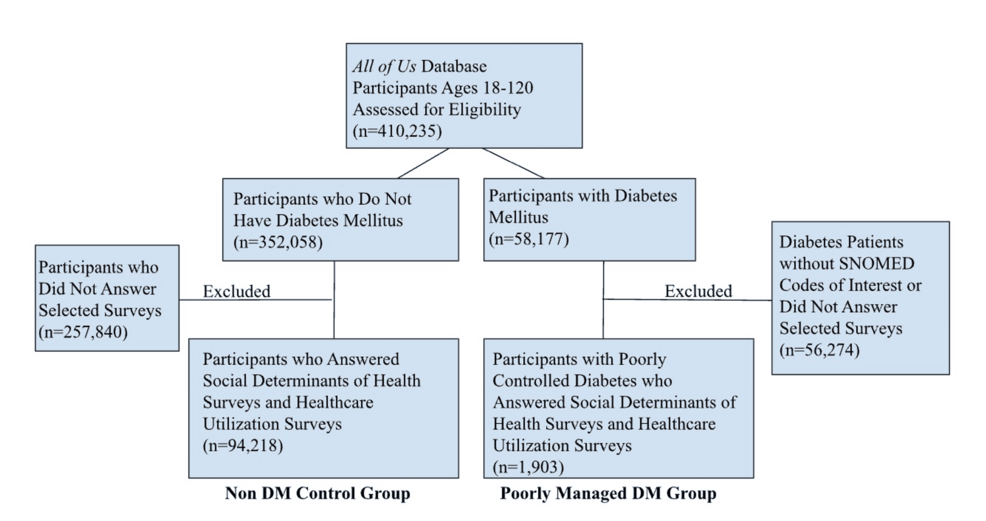
Finally, strong patient-provider relationships matter. Research in Cureus shows trust and empathy boost treatment adherence. Open communication can be just as important as any drug.
Real-Life Hero: A Doctor’s Night Rescue
Sometimes care goes beyond the clinic. monroenews.com tells how Dr. Juwaryia Khan made a late-night home visit when a patient’s DKA went critical. She enlisted police for a wellness check and got him to the ICU in time. It’s a reminder: early action saves lives.
Have Unused Supplies? Turn Them Into Cash
With so many tools and treatments, you might have extra test strips, lancets, or insulin pumps unused. DiabeticSupplies.Online buys your surplus for cash. It’s safe, easy, and helps fellow diabetics get access to affordable supplies.
FAQ – People Also Ask
What is lamivudine and how does it help diabetic eye disease?
Lamivudine is an HIV drug that blocks inflammasome activity. Studies show it reduces swelling and leakage in the retina, improving vision in diabetic retinopathy or macular edema without injections.
How does the VibroSense Meter II detect neuropathy?
The meter sends vibrations at different frequencies to measure nerve responses in your foot. It can spot early nerve impairment before symptoms appear, helping prevent ulcers.
What is GPX-002 gene therapy for diabetes?
GPX-002 uses a viral vector to deliver genes that convert non–insulin cells into insulin-producing beta-like cells. Preclinical results show improved glucose control in animals.
Are point-of-care A1c tests accurate for diagnosis?
Only FDA-approved POC A1c devices are cleared for diagnosis. They give fast results but can have biases. Lab assays remain the gold standard, especially for initial diagnosis.
How can I sell my unused diabetic supplies?
Visit DiabeticSupplies.Online to mail in unused test strips, lancets, and monitors. You’ll get cash once items are verified. It’s a trusted, secure process that helps others too.