Diabetes research and advice move fast. Today’s round-up brings you eight important updates. You’ll learn about a new continuous glucose monitor study, diet tips, early warning signs, genetic breakthroughs, and more. Each finding can help you manage diabetes better and protect your health.
1. CGM Users See 80% Fewer Heart Hospitalizations
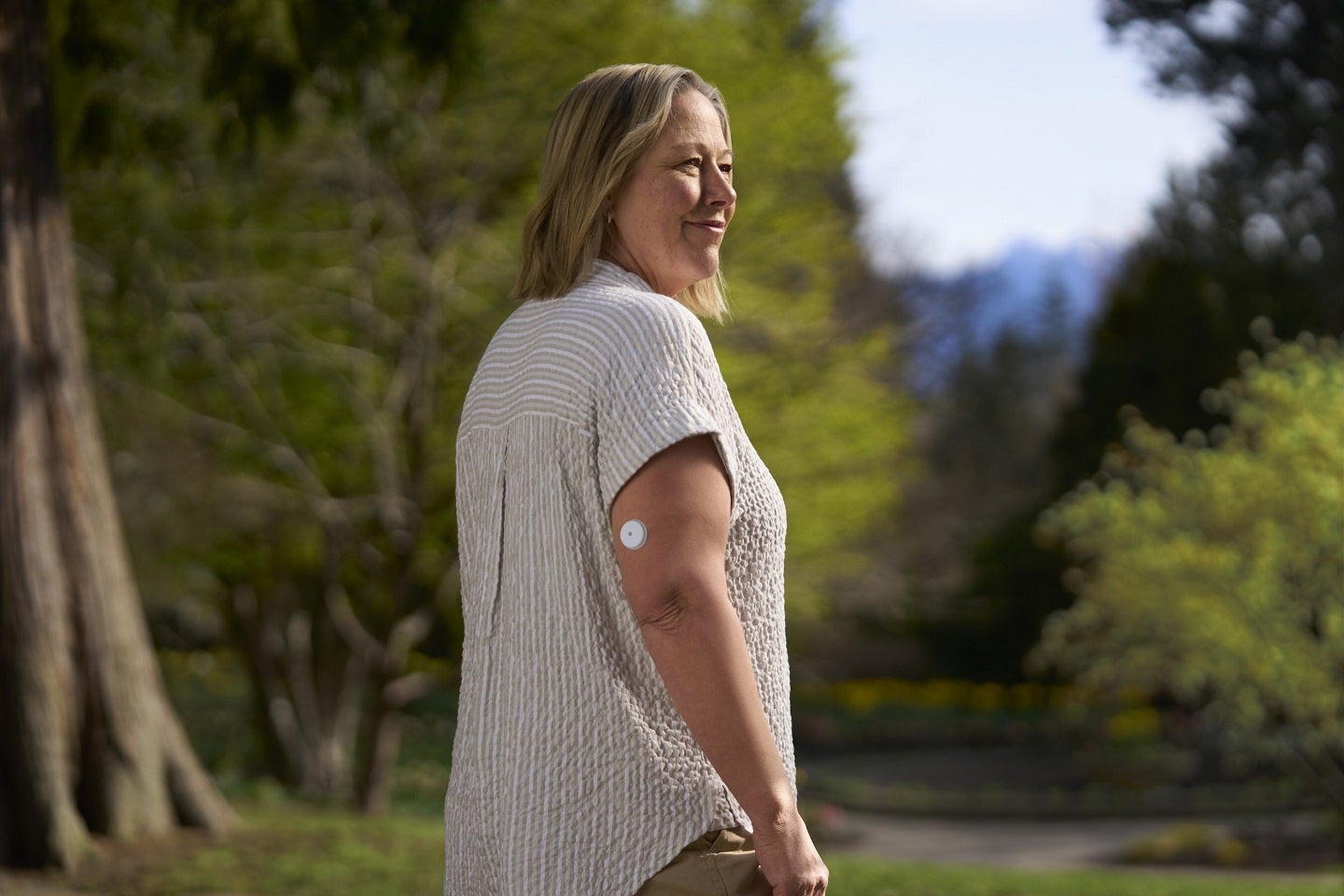
Abbott’s REFLECT studies tapped data from the Swedish National Diabetes Register. They tracked FreeStyle Libre wearers with type 1 and type 2 diabetes on insulin. The result? An 80% drop in heart-related hospital stays for T1D patients without prior heart disease. Even those with history of heart issues saw 49% fewer admissions. For T2D patients on insulin, Libre use also cut hospital visits for heart complications. This shows continuous glucose monitoring can help protect your heart by spotting danger early and guiding insulin doses.
2. Keto vs. Mediterranean: Which Diet Wins for Blood Sugar?
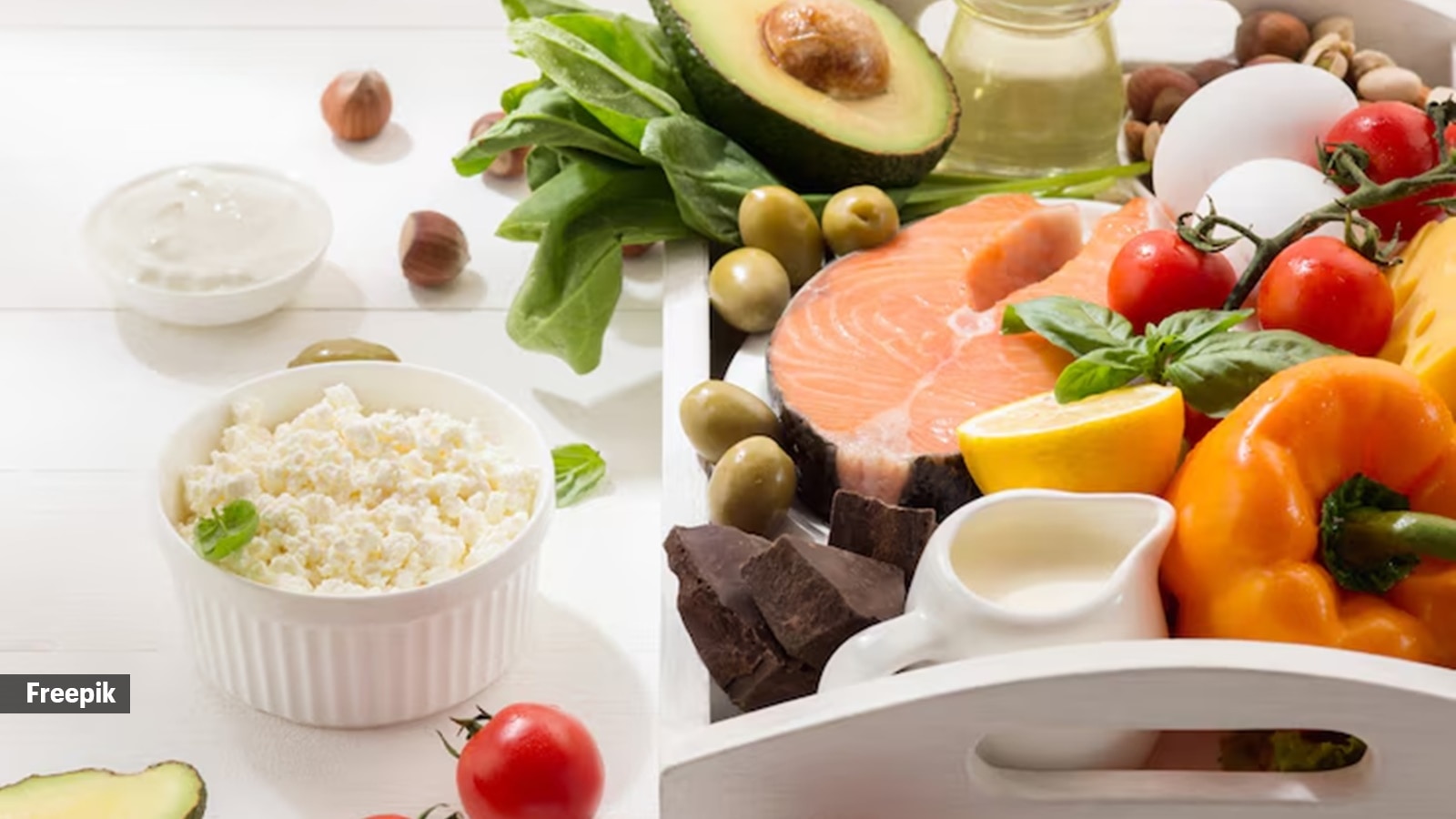
Two eating plans stood out for diabetes management. The Keto diet slashes carbs and boosts fats. That can lower blood sugar fast and cut insulin needs. But its strict nature makes long-term sticking hard. The Mediterranean diet relies on whole grains, veggies, fruits, fish, and healthy fats. It controls glucose well and is easier to follow. A dietician and certified diabetes educator says Mediterranean wins for sustainability and nutrient balance. Talk to your doctor or dietitian before changing your meal plan.
3. Spotting Diabetes Early: 10 Signs to Watch
One in ten Americans lives with diabetes. Many miss early signs. Look out for:
- Unusual thirst and frequent urination
- Extreme hunger or unexplained weight loss
- Fatigue or blurred vision
- Slow-healing cuts and infections
- Tingling or numbness in hands and feet
- Dry, itchy skin
Early diagnosis can stop damage and avoid nasty complications. If you notice these signs, ask your provider for a blood sugar test. Regular checks matter.
4. MODY4 Gene Variants Reveal Hidden Risk
Researchers found two new PDX1 gene variants (p.Arg148Leu and p.Arg148Gly) in Japanese patients with maturity-onset diabetes of the young (MODY4). These variants lower PDX1 function and weaken insulin release after meals. Families saw serious complications like retinopathy and kidney failure. Genetic testing can spot MODY early and tailor treatment to prevent harm.
5. Targeting Brain Neurons to Tackle Type 2 Diabetes
Scientists discovered that hyperactive AgRP neurons in the hypothalamus drive high blood sugar in mice. Silencing these neurons with tetanus toxin kept blood glucose normal for months—without changing body weight or appetite. If this works in humans, it could open a new front in diabetes treatment. More studies are needed to find safe ways to calm these brain cells.
6. Type 2 Diabetes and Brain Health: A Clear Link
A USC team found older adults with T2D have thinner brain cortex in memory regions. They studied Hispanic, Black, and white participants in a large health cohort. Even after adjusting for other risks, high blood sugar was tied to this thinning. Managing glucose tightly may protect your memory and thinking as you age.

7. Managing Common and Rare Complications
New reports show additional risks and care tips:
- Eye Disease: People with sickle cell disease or trait are 7.4× more likely to get serious diabetic retinopathy. They also face 4.2× higher risk of macular edema. Early eye exams are vital. SickleCellAnemiaNews.com
- EDKA Risk: SGLT2 inhibitors can cause euglycemic DKA in T2D. A case report shows normal blood sugar but serious ketoacidosis. Watch for nausea, vomiting, and abdominal pain. Stay hydrated and test ketones. Cureus.com
- Foot Care: The “Diabetic Foot Talk-Time” framework builds a web tool to guide daily foot checks and podiatry routines. It uses images, alerts, and a community for support. Good communication means fewer ulcers and infections. Frontiersin.org
8. Nutrition Tips and Prevention Focus
Two recent studies show diet matters beyond carbs:
- Snack Smart: Seven dietitian-approved treats can balance blood sugar. Try yogurt with berries, roasted chickpeas, nuts, popcorn, fruit with nut butter, cottage cheese with whole-grain toast, or veggie sticks with guacamole. Each offers protein and fiber to curb spikes. Prevention.com
- Carotenoids & Kidneys: Analysis of NHANES data links lutein and zeaxanthin intake to lower diabetic nephropathy risk. Load up on leafy greens, eggs, corn, and peppers. Beta-carotene showed no clear benefit in this study. Frontiersin.org
- Prevention Matters: Liz Selvin from Johns Hopkins urges shifting from reactive care to prevention. Wearables like CGMs and lifestyle changes can lower chronic disease risk and preserve heart and brain health. magazine.publichealth.jhu.edu
These updates show how technology, diet, genetics, and prevention combine to improve life with diabetes. From cutting heart hospital admissions to protecting your brain and kidneys, each finding offers actionable advice.
Got unused diabetic supplies? We offer cash for your excess test strips, meters, and more. Ship them in for free and turn unused items into money. Visit DiabeticSupplies.Online today to sell your diabetic supplies for cash.
FAQ – People Also Ask
How can CGM devices lower heart risks in diabetes?
Continuous glucose monitors like FreeStyle Libre track real-time glucose. This helps you adjust insulin and diet before dangerous highs or lows. Abbott’s study showed CGM use cut heart-related hospital stays by up to 80% in type 1 diabetes.
Which diet is easier to stick to: Keto or Mediterranean?
The Mediterranean diet is more sustainable long-term. It balances whole grains, fruits, vegetables, fish, and healthy fats. Keto delivers fast blood sugar control but can lead to nutrient gaps and low adherence.
What early symptoms suggest I should get tested for diabetes?
Watch for extreme thirst, frequent urination, unexplained weight loss, fatigue, blurred vision, slow wound healing, and tingling in hands or feet. Any two or more warrant a check-up.
Can SGLT2 inhibitors cause ketoacidosis without high glucose?
Yes. Euglycemic DKA can occur with normal blood sugar. If you use SGLT2 drugs, monitor for nausea, vomiting, abdominal pain, and test ketones regularly.
How do carotenoids protect against diabetic kidney disease?
Lutein and zeaxanthin may reduce oxidative stress in kidneys. Higher intake was linked to lower risk of nephropathy in a large NHANES analysis. Eat leafy greens, corn, and eggs to boost these nutrients.