Diabetes affects millions of people every day. New studies and news alerts keep surfacing. We’ve gathered nine critical updates from the past 24 hours. These will help you stay safe, healthy, and informed. And if you have extra diabetic supplies, learn how to turn them into cash.
1. Why You Might Be in the Diabetes Danger Zone
A new article from telegraph.co.uk warns that many adults may not realize they are already at high risk for type 2 diabetes. Hidden factors like waist size, family history, and even some medications can push blood sugar levels into the danger zone before any symptoms show.

Key takeaways:
– A1C and fasting blood sugar tests can catch risk early.
– Lifestyle checks—diet, exercise, and stress—matter most.
– Talk to your doctor about advanced diabetic supplies like CGMs (continuous glucose monitors).
Why it matters: Early risk detection prevents complications like heart disease. Consider selling unused diabetic test strips or glucometers for cash to upgrade to newer tech. supplies for diabetics can be turned into funds for better monitoring.
2. Honoring a Loss: Big Freedia’s Partner Dies from Diabetes
Music icon Big Freedia revealed on fox8live.com that her partner, Devon Hurst, passed at 38 due to diabetes complications.

Why it matters: Diabetes complications can be fatal at any age. Regular foot checks and eye screenings help prevent serious outcomes. If you have unused insulin supplies or test strips, you can sell diabetic supplies for cash to ensure you never skip a dose.
3. Prevent Blindness: Diabetic Retinopathy Screening Guide
Insight News Australia highlights new screening protocols for diabetic retinopathy.
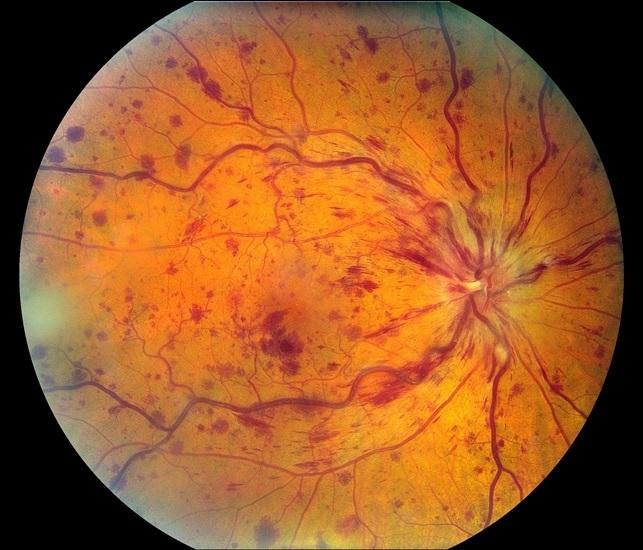
- Screen at diagnosis, then annually.
- Use digital fundus photography or ultra-wide-field imaging.
- Prompt referral for macular edema or proliferative signs.
Why it matters: Retinopathy affects up to 40% of diabetics. Early treatment can save sight. Funds from selling unused diabetic supplies can cover copays for imaging tests.
4. When Abdominal Pain Isn’t Just Ketoacidosis
A case in Cureus reveals a 25-year-old misdiagnosed with DKA who actually had severe hypertriglyceridemia-induced pancreatitis.
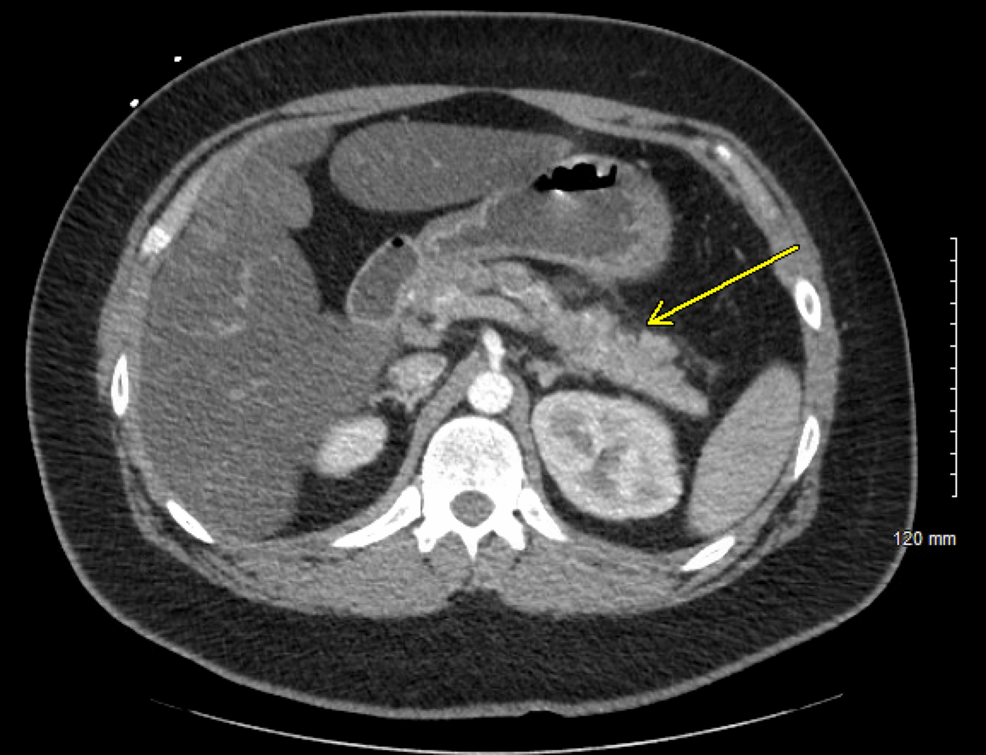
Key points:
– High triglycerides can mimic diabetic ketoacidosis.
– Test triglycerides with every abdominal pain case.
– Treatment includes insulin, fluids, and sometimes plasmapheresis.
This matters because timely, accurate diagnosis prevents organ damage. Upgrade to advanced diabetic testing supplies by selling unused strips or lancets.
5. Brain Cells and Blood Sugar: A New Frontier
Researchers found that hyperactive AgRP neurons in the brain raise blood sugar, according to ScienceBlog.
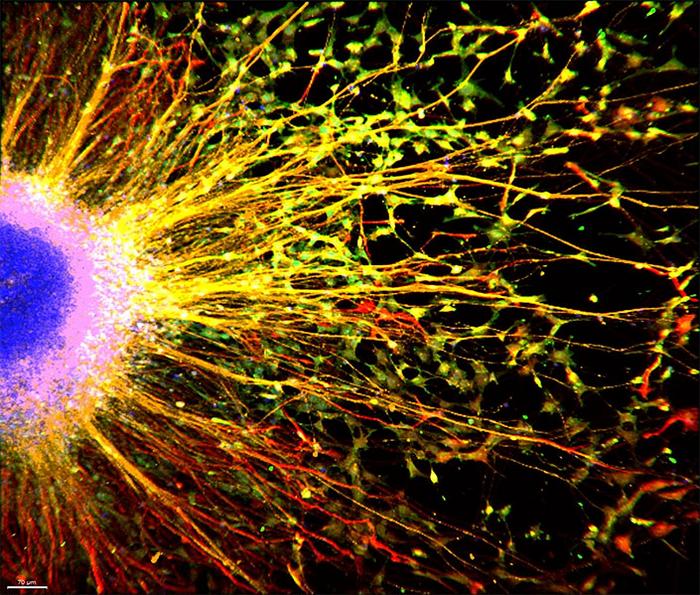
This challenges the view of diabetes as purely a peripheral issue. Future drugs may target these neurons, offering new hope for blood sugar control without weight loss. Sell unused diabetic supplies online to fund the latest CGMs and pumps that work with these therapies.
6. Limiting Copays for Diabetes Supplies
The Rhode Island Senate approved a bill to cap diabetic supply copays at $25 per month, reports nrinow.news.

- Covers private insurers and state plans.
- Focus on meters, strips, pumps.
- Next step: House approval.
If your state still has high copays, you can sell diabetic test strips and supplies for cash to cover monthly costs.
7. Walk, Donate, Support: Breakthrough T1D Walk
Thousands gathered at the Breakthrough T1D Walk in Minnesota to fund research for a type 1 cure, per kstp.com.

Why it matters: Every dollar helps research immunotherapy and pancreas regeneration. If you have extra supplies, sell diabetic supplies mail order to reinvest in community fundraisers.
8. Youth-Onset Type 2: A Growing Threat
University of Colorado researchers launched the DISCOVERY study to track hormone changes in youth-onset type 2, says cuanschutz.edu.

Highlights:
– Puberty and obesity speed disease.
– Minority youth face higher rates.
– Goal: personalized prevention.
Secure funds by selling unused diabetic supplies for cash. Then consider pump therapy or CGMs to manage early-onset cases.
9. Mood Changes Linked to Diabetes Drugs
GLP-1 agonists may trigger anxiety or depression, reports the NY Post.

Experts disagree if mood shifts come from the drug or weight loss. Always discuss side effects with your doctor. If therapy changes leave you with unused supplies, sell them for cash to ease financial strain.
Sell Your Unused Supplies for Cash
Do you have extra test strips, lancets, or even unopened insulin vials? DiabeticSupplies.Online buys unused diabetic supplies for cash via mail-in. It’s safe, reliable, and quick. Turn items collecting dust into money you can use for better, advanced diabetic supplies. Start here.
FAQ – People Also Ask
How often should I screen for diabetic retinopathy?
At diagnosis for both type 1 and type 2, then annually if you have no signs of retinopathy. More frequent exams are needed if you have macular edema or proliferative retinopathy.
Can I sell expired diabetic test strips?
Most buyers accept strips past their expiration if unopened and stored correctly. Check with DiabeticSupplies.Online for current policies.
What triggers hypertriglyceridemia in diabetes?
Poorly controlled blood sugar, high-carbohydrate diets, obesity, and genetics can spike triglycerides, raising the risk of pancreatitis.
Are mood changes common with GLP-1 agonists?
Some users report anxiety or low mood. It’s unclear if it’s the medication or weight loss. Always discuss mental health changes with your healthcare provider.
How do I choose between CGMs and traditional meters?
CGMs offer continuous readings and alarms for highs and lows, while meters give spot checks. Your lifestyle, budget, and insurance coverage will guide your choice.