This week’s diabetes headlines bring human triumphs and bold innovations. A beloved TV host reversed prediabetes naturally. Researchers in Korea reveal what makes seniors stick to their meds. Industry giants are reshaping themselves. New tech promises earlier danger alerts. And fresh studies chart paths to better healing and nerve health.
Patient Triumphs: Reversing Prediabetes and Boosting Adherence
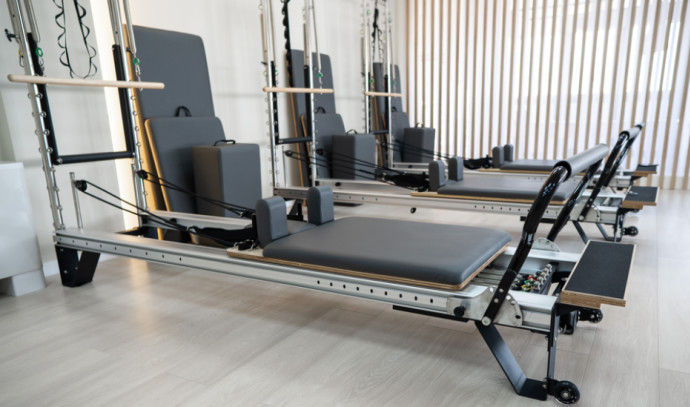
Alison Hammond, 50, credits balance for her 154-pound weight loss and prediabetes reversal. She adopted moderation over strict diets. She walks, lifts weights, does Pilates and yoga. A tough health warning from her mom spurred the change. Hammond’s story shows how lifestyle tweaks can prevent diabetes.
In Korea, a nationwide survey of 984 adults aged 65+ found 87.5% fully adhere to diabetes meds. Living alone, stress and depression affected the rest. Those who felt healthy and could self-care stuck to their doses, timing and frequency. This shows nonmedical factors shape medication habits.
For older adults, clear routines and social support can boost adherence and cut complications.
Seniors with type 1 or type 2 who used intermittent scanning continuous glucose monitors saw A1C drops in just three months. Benefits persisted two years later. Only 2.8% stopped due to device issues. Seniors reported more confidence and fewer highs and lows.
Community Moves: Fighting Diabetes Together
On May 31, the American Diabetes Association hosts Atlanta’s Step Out Walk at Atlantic Station. The goal is to raise $200,000 for diabetes care and education. Shaun Hunter-Green, an ADA life coach, says events like this battle the world’s fastest-growing chronic disease.

Tech and Business Shifts in Diabetes Care
- Medtronic will spin off its diabetes division into a separate, public company within 18 months. The goal is a direct-to-consumer insulin management business with focused R&D. The move may boost margins and free funding for other high-growth units. (medicaldevice-network.com, cardiovascularbusiness.com, reuters.com)
- Tandem Diabetes Care’s t:slim X2 pump and new Steadi-Set infusion are driving its overseas push. Despite macro headwinds, analysts forecast 44.5% earnings growth by 2026. Investors weigh risks and product innovation. (tradingview.com)
- In a new partnership, Sequel Med Tech will integrate its twiist Automated Insulin Delivery system with Abbott’s dual glucose-ketone sensor. Early ketone alerts could prevent diabetic ketoacidosis. The system aims for a Q2 2025 launch. (globenewswire.com)

Market Trends: Growth in Diabetic Care Devices
The global diabetic care device market may grow from $16.6 billion in 2024 to $26.8 billion by 2029. A 10.1% CAGR is driven by rising diabetes rates, an aging population and better monitoring tools. Both SMBG and CGM devices lead the way. This growth brings more options and competition. (globenewswire.com)

Research Highlights: From Wound Healing to Neuropathy
High glucose levels can harm cells by trapping mitochondria near the nucleus. A new study shows boosting ALDH2 enzyme restores normal cell movement. This could speed wound healing for diabetics. (nature.com)
A 5-year study of 102 type 2 patients found diabetic polyneuropathy pain changes over time. About 38% developed pain. Nearly 29% saw relief. Factors like lower BMI and cholesterol predicted pain fading. Women with dysesthesia were more at risk for new pain. (2minutemedicine.com)
Zelira Therapeutics’ ZLT-L-007 reduced neuropathy symptoms in a recent trial. Early results hint at faster nerve repair and less pain. Further studies are pending. (tipranks.com)
At ARVO 2025, PAVIA’s 12-month trial in nonproliferative diabetic retinopathy showed better vision and thinner retinas. Safety was strong. PAVIA could be a new option for eye care. (ophthalmologytimes.com)
Researchers used a transcriptome map to find compounds that boost wound healing. CG-930 spurred fibroblast growth and faster closure in diabetic mice. This paves the way for new topical treatments. (frontiersin.org)
Sell Your Unused Diabetic Supplies for Cash
Got extra test strips or insulin pump sets? Turn those unused diabetic supplies into money. DiabeticSupplies.Online buys your surplus supplies by mail. You help reduce waste and earn cash. It’s quick, safe and trusted by thousands.
FAQ – People Also Ask
How did Alison Hammond reverse her prediabetes?
She lost weight through balanced eating and varied exercise. No extreme diets or surgeries were used. Her routine includes walking, strength training, Pilates and yoga.
What is the benefit of intermittent scanning CGM for seniors?
Seniors saw lasting A1C drops and fewer device issues. is-CGM helps catch highs and lows early, boosting confidence and control.
Why is Medtronic spinning off its diabetes business?
The spin-off aims to create a focused, direct-to-consumer insulin management company. This may boost margins and fund innovation across Medtronic.
How can I sell my unused diabetic test strips?
Use a mail-in buyer like DiabeticSupplies.Online. Package your strips, ship them, and get paid. It’s a simple way to recycle supplies for cash.
What new therapies are emerging for diabetic wounds?
Compounds like CG-930 show promise in lab and animal studies. They promote cell growth and faster wound closure.