Diabetes care is shifting fast. New tools let us predict foot ulcers before they return. AI can warn us of blood sugar swings. Community programs bring screenings to your local supermarket. Research uncovers how adult-onset type 1 diabetes raises heart disease risk. Here’s what you need to know today.
Predicting Foot Ulcer Recurrence with a New Diagnostic Aid
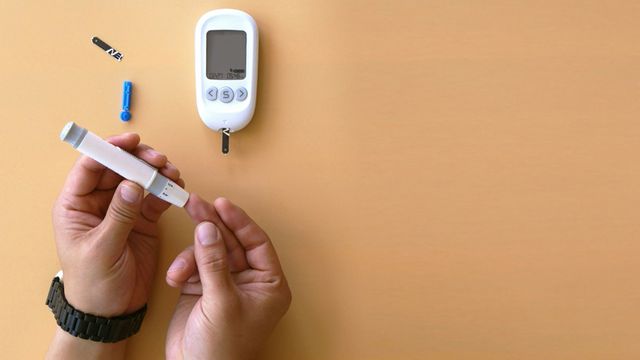
Foot ulcers can hide under healthy skin. Now, a simple test may reveal which wounds will come back.
Researchers measure trans-epidermal water loss (TEWL) to gauge skin barrier function. High TEWL meant a 35% recurrence rate by 16 weeks, compared to 17% for low TEWL.
This tool could guide doctors to extend wound care or add treatments until full skin recovery.
Use of this aid may save limbs and lives.
Read more at TechnologyNetworks.com.
Legs Matter: A Coalition for Better Lower-Limb Care
Chronic wounds affect millions and cost billions in the UK alone.
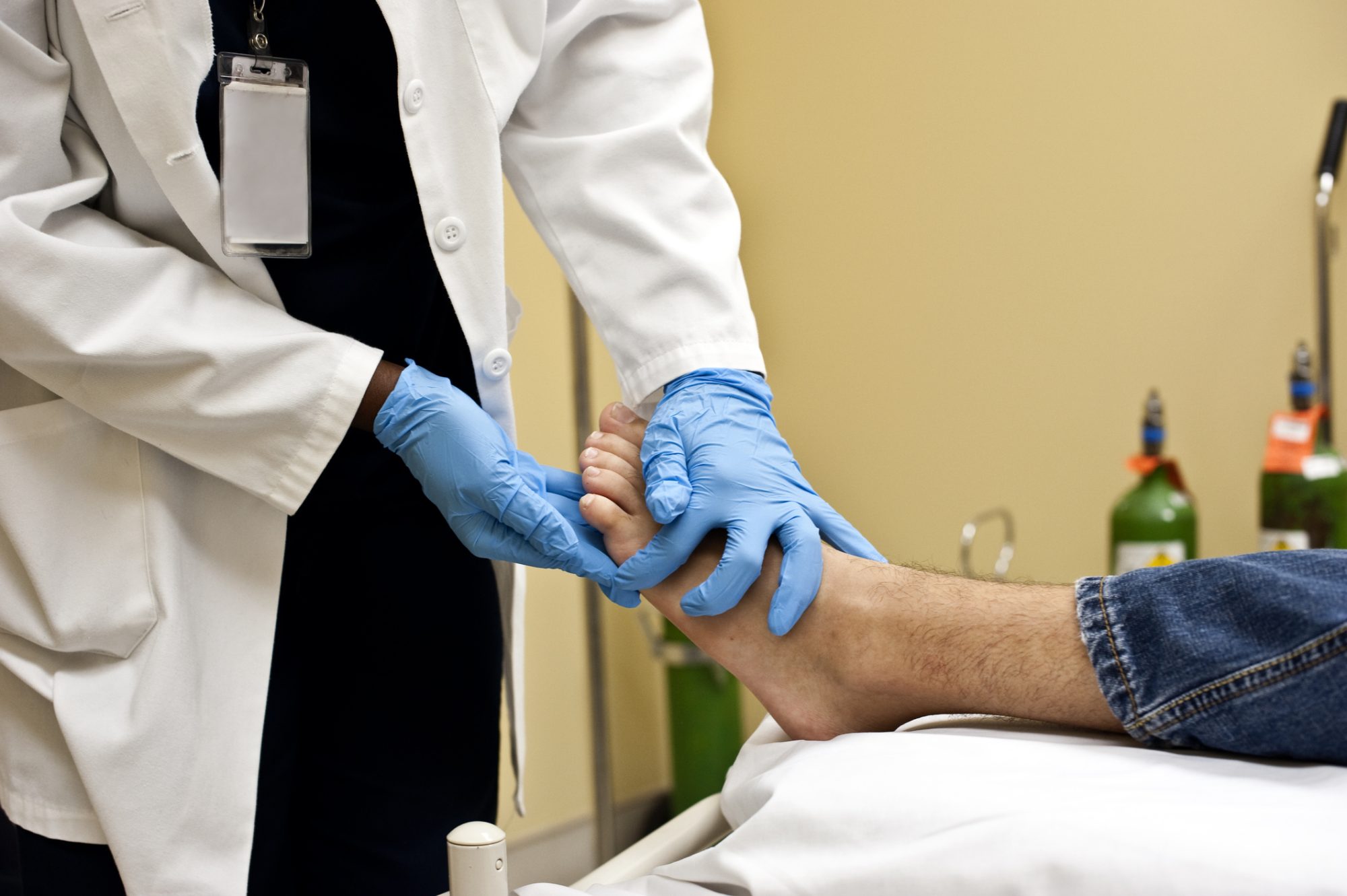
The Legs Matter coalition calls for faster diagnosis and better treatment of diabetic foot problems.
Their consensus document outlines system-wide changes and training for caregivers.
Early care can prevent ulcers, infections, and amputations.
More at openaccessgovernment.org.
Managing Cardiovascular Risk in Adult-Onset Type 1 Diabetes
Adults diagnosed with type 1 diabetes face higher heart disease risk.
Studies show they develop coronary artery disease, heart failure, and stroke more often than others.
Traditional factors like high blood pressure and cholesterol matter. So do insulin resistance and inflammation.
Preventive steps include healthy eating, regular exercise, and smoking cessation.
Doctors also recommend statins and blood pressure meds when needed.
Regular check-ups can catch problems early.
Details at managedhealthcareexecutive.com.
Sharper Cholesterol Metrics for Type 2 Diabetes
Which cholesterol measure best predicts heart risk?
- Non-HDL cholesterol outperformed remnant cholesterol in predicting atherosclerotic cardiovascular disease in T2D patients.
- It had a higher AUC (0.78 vs. 0.62) and stronger ties to inflammation markers.
- Use non-HDL-C with simple tests to improve risk detection in routine care.
Source: Frontiersin.org.
When Health Trackers Help and When They Harm
Smart rings, watches, glucose monitors – they promise insight.
One writer tried a half-dozen devices for six months.
He felt anxious, obsessed with scores, and worried about data leaks.
If self-tracking causes stress, scale back. Use only the metrics you need.

Read his story at vox.com.
AI-Enabled Glucose Predictions and Personal Monitoring
IBM and Roche built an AI app, Accu-Chek SmartGuide Predict.
Paired with a CGM, it forecasts highs and lows before they hit.
Algorithms learn your patterns and send alerts for corrective action.
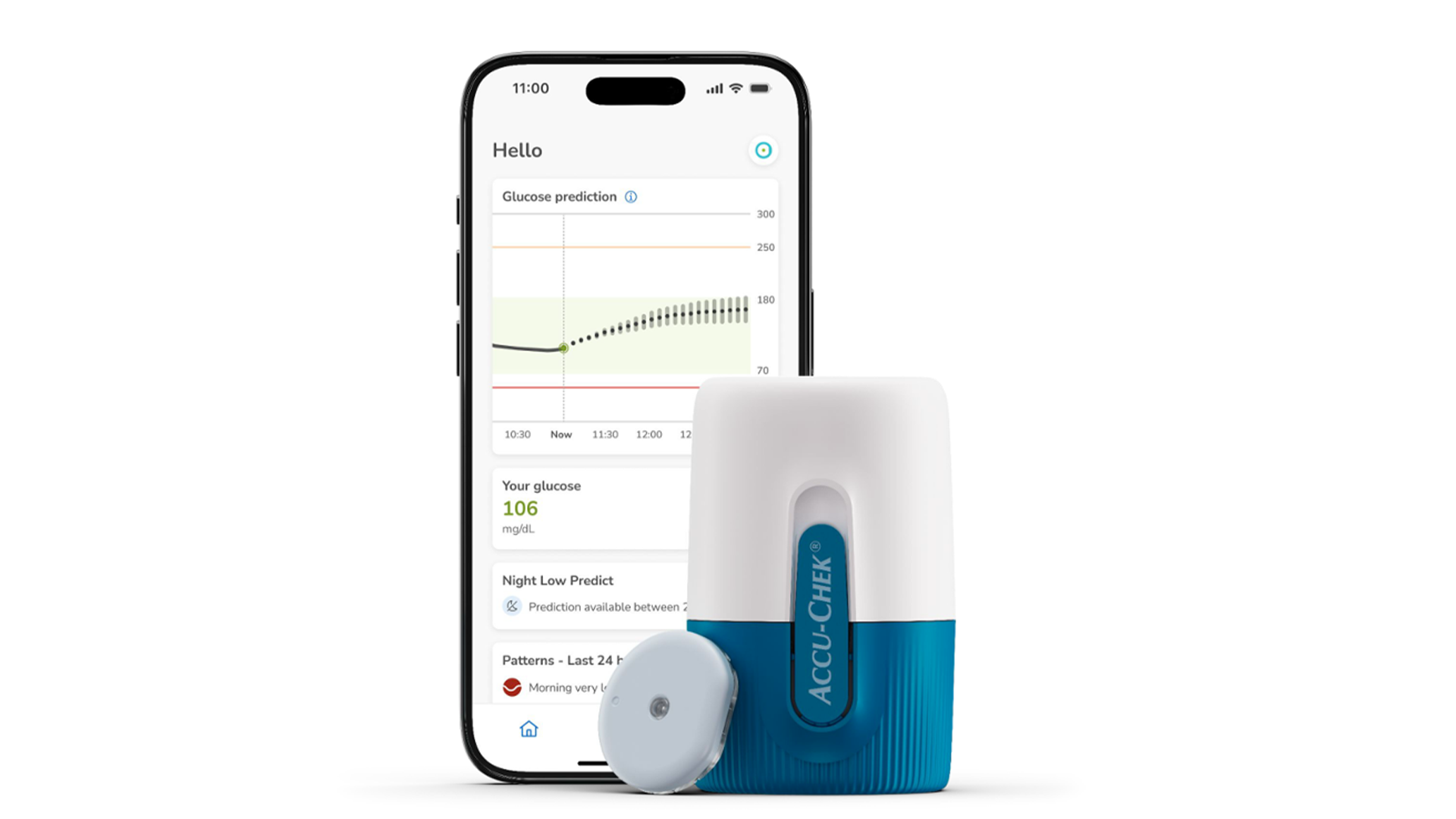
This tool may cut hypoglycemia events and give peace of mind.
Such innovations show how technology can empower daily glucose control.
Learn more at newsroom.ibm.com.
Bringing Diabetes Screening and Education to Your Grocery Run
Supermarket aisles are now health hubs.
The SHARE program screens for prediabetes and diabetes at store entrances.
Staff offer risk tests, share meal ideas, and refer high-risk people to care.

Over 300 shoppers joined. More than half were at risk. Seventy-six learned they had diabetes.
This model reaches people who rarely see a clinic.
Read about it on Frontiersin.org.
Local Diabetes Self-Management Support
Fairfield Medical Center starts a tailored education program.
Patients meet a dietitian and set personal goals.
They attend classes on drugs, devices, diet, and lifestyle.
Monthly support groups keep motivation high.

Ask your provider for a referral. Check insurance coverage.
Details at lancastereaglegazette.com.
Therapies, Drugs, and Market Shifts
- Competition is coming for Novo Nordisk’s semaglutide in China by 2031, driving down prices and expanding access. SCMP.com
- Faricimab, a VEGF blocker, improved vision in minority patients with diabetic macular edema. ModernRetina.com
- Linoleic acid, an omega-6, linked to lower biomarkers for heart disease and type 2 diabetes, countering fears of seed oils. News-Medical.net
- Nxera Pharma hit a milestone with Eli Lilly in metabolic disease research, unlocking future treatments. NASDAQ.com
- ARVO 2025 studies spotlight extracellular vesicles as biomarkers and targets in diabetic retinopathy. OphthalmologyTimes.com
- Professor Noel Morgan will lead Diabetic Medicine, steering global research on type 1 breakthroughs. news.exeter.ac.uk
Nutrition and Muscle: A 7-Day High-Protein Meal Plan
Building muscle helps control blood sugar. A dietitian designed a balanced, three-level calorie plan.
Meals blend protein, carbs, fat, and fiber.
Prep tips and swap ideas make it flexible.
Even snacks keep levels stable.

See the full plan at EatingWell.com.
Global Trends and Awareness: Prevalence and Risk Studies
- China’s diabetes rate rose nearly 50% since 2005 and may hit 29.1% by 2050 without action. BMC.com
- Higher estimated glucose disposal rate cut MAFLD risk by 19% in US adults. Nature.com
- Bronx leaders urge a diabetes emergency declaration after data shows the borough has the city’s highest blood sugar rates. ABC7NY.com
Sell Your Unused Diabetic Supplies for Cash
Unused test strips, lancets, and CGMs can’t help if they sit in a drawer.
DiabeticSupplies.Online buys your supplies for cash by mail.
Turn boxes of supplies into money for your next doctor visit or meter upgrade.
Fast payments. Free shipping labels. Safe and secure.
Find out where to sell diabetic supplies today.
FAQ – People Also Ask
How accurate are TEWL tests for predicting foot ulcer recurrence?
TEWL tests measure water loss through the skin. High TEWL indicates a weakened barrier. Studies show those with high TEWL are 2.7 times more likely to see ulcers return within 16 weeks. It’s a promising tool for guiding extended wound care.
Can AI apps really prevent hypoglycemia?
AI-enabled apps use CGM data and machine learning. They forecast blood sugar dips and send alerts. Early studies suggest they reduce severe lows by prompting timely carb intake or insulin adjustment.
Are supermarket diabetes screenings reliable?
Programs like SHARE use validated risk tests and provide education. They successfully identify undiagnosed cases and high-risk individuals, offering referrals to health clinics.
What should I do with expired diabetic supplies?
Check local regulations. Many mail-order buyers accept expired strips. DiabeticSupplies.Online offers guidelines on how to sell or recycle unused or expired supplies responsibly.
How can I join a diabetes self-management program?
Ask your healthcare provider for a referral. Check community hospitals and medical centers. Programs often include dietitian visits, classes, and support groups tailored to your needs.