Diabetes care is evolving faster than ever. Today, we explore nine major advances—from Medtronic’s $50 million center in India to breakthrough diets and surprising drug findings. You’ll learn why each development matters—and how you can benefit, even if it’s selling unused test strips for cash on DiabeticSupplies.Online.
Global Investments & New Centers
Medtronic just revealed a huge step in diabetes support.
They will invest $50 million in a new Diabetes Global Capability Center in Pune, India. This hub will create 300 jobs in its first year. Over time, it will grow patient financial services, digital tech, customer care, and advanced analytics. Medtronic plans to spin off its Diabetes unit as “MiniMed,” honoring 40 years of diabetes breakthroughs. This move shows a long-term push to expand care and innovation worldwide.
Why it matters:
– More jobs means more support for diabetes patients.
– A dedicated center can speed service and lower costs.
– Global focus brings fresh ideas to your local care.
Learn more at drugdeliverybusiness.com.
The Copenhagen Declaration offers another global vision. Fifty experts outlined a blueprint for diabetes care and research. They call for precision medicine, AI, and mobile health—especially in low-income regions. This plan could reshape prevention and treatment where diabetes is rising fastest.
Key goals:
– Better data sharing.
– Affordable tech for all.
– Stronger researcher-policymaker ties.
– Global collaboration.
Details at novonordiskfonden.dk.
Advances in Screening & Diagnostics
Early detection of complications is vital in diabetes. Two new tools are changing the game.
AI-Powered Retinopathy Screenings
Ainnova and pharmacies in Central America now offer quick, non-invasive diabetic retinopathy scans. Their Vision AI platform spots retina changes instantly. Pharmacies connect patients to ophthalmologists for fast treatment. Early detection can prevent blindness in people with diabetes.

Read more at prnewswire.com.
Novel Diagnostic Technology
New tools are set to generate billions in diabetic retinopathy diagnostics by 2030. The global market could hit nearly $16 billion by then. Companies are launching devices that detect retina damage earlier and more accurately. That means more patients get treated before vision loss starts.
Details at globenewswire.com.
Hybrid Care & Wearables
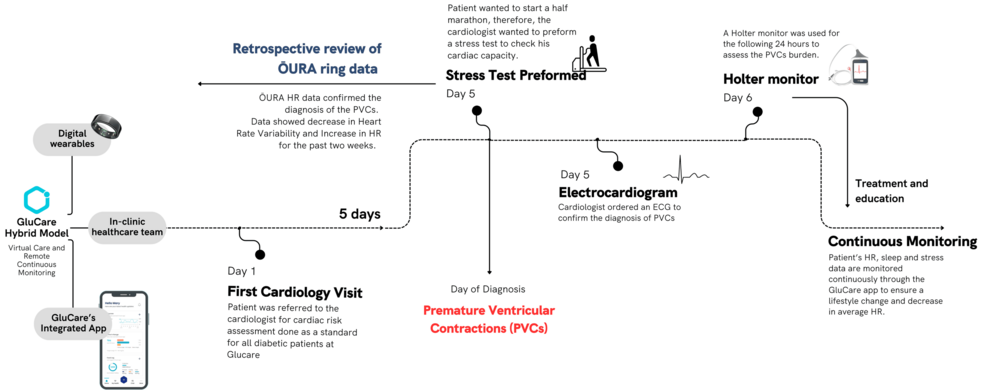
A single patient case shows how wearables and remote care can track heart and glucose issues in real time. Using an ŌURA Ring, doctors captured premature ventricular contractions and activity data. This hybrid model linked remote monitoring with clinic visits, speeding up interventions when needed.
Learn how at cureus.com.
Treatment Breakthroughs
New and old treatments keep revealing surprises.
Unexpected Impacts of GLP-1 Drugs
Real-world data on over 18,000 patients found that semaglutide and other GLP-1 receptor agonists cut rates of arrhythmias, hyperglycemia, and chronic kidney disease. But they may raise risks of dysthymic disorder and vitamin D deficiency. Doctors should watch for these side effects to keep patients safe.
Full story at news-medical.net.
Semaglutide vs Empagliflozin
A large cohort study compared cardiovascular outcomes. Semaglutide users had slightly lower rates of heart attack, stroke, and death than those on empagliflozin. They also lost more weight and cut HbA1c further. Though differences weren’t always significant, semaglutide shows promise as a first choice for heart protection.
Read at 2minutemedicine.com.
Endoscopic Duodenal Repair
Endogenex will present data on a non-thermal endoscopic procedure at the ADA’s 85th Sessions. The ReCET System treats diabetic duodenopathy by restoring gut tissue health. Early trials show it’s safe and may slow diabetes progression by targeting the duodenum’s metabolic role.

More info at globenewswire.com.
Time-Restricted Eating
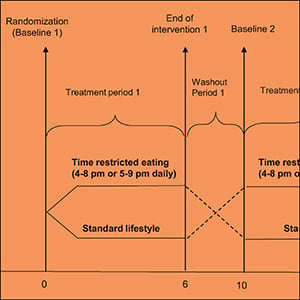
In a trial with 39 adults who have early type 2 diabetes, a 20/4 fasting schedule improved β-cell function by 14% and cut hepatic insulin resistance by 14%. HbA1c dropped by 0.32%, body weight by 3.86%, and waist by 3.8 cm. TRE may help manage blood sugar, insulin resistance, and weight.
Explore at endocrine.org.
Diet & Lifestyle Strategies
Food and habits can be powerful medicine.
What Prediabetes Means
Prediabetes signals the start of insulin resistance. The pancreas works harder to keep glucose steady. Obesity, inactivity, genes, and age boost risk. Prediabetes can often be reversed with diet and exercise before full Type 2 arrives. Early action is key.
More at oklahoman.com.
DASH4D Diet for Type 2
A new DASH4D plan adjusts the classic DASH diet for diabetics. It lowers carbs, ups unsaturated fats, and controls potassium. In 85 people, DASH4D cut systolic pressure by ~5 points. That drops stroke and heart event risk. Ask your doctor if DASH4D fits you.

Find out more at deltanews.tv.
Fatty Liver in Type 2
Six in ten people with type 2 diabetes have fatty liver. But few show real liver damage. Weight loss can reverse liver fat buildup. Doctors should screen obese diabetic patients for liver disease early.
Study details at eurekalert.org.
Nutrition in the Hospital
The Complete Nutrition Diabetic Formula fed 40 in-hospital patients for 29 days. It boosted protein markers without raising blood sugar. Better nutrition helps recovery for hospitalized diabetics.
Read at frontiersin.org.
Mental Health & Patient Stories
Diabetes isn’t just physical. Mental health matters.
Men & Type 1 Mental Health
Many men with Type 1 diabetes feel overwhelmed. Denial and stress can harm blood sugar control. Therapy, peer groups, or talking with a diabetes educator can build resilience. A positive outlook links to better self-care and longer life.
Learn more at menshealth.com.
J.J. Spaun’s Journey
Pro golfer J.J. Spaun almost quit due to his diabetes struggles. He pushed on and won big tournaments, including the U.S. Open. His story shows how grit and proper care can keep you on course—literally and figuratively.
Watch at pgatour.com.
Why This Matters to You
Each innovation can touch your life. Better diagnostics mean sooner treatment. Diet tweaks can cut heart and stroke risk. New drugs offer kidney and heart protection, but need monitoring. Hybrid care and wearables bring your doctor closer 24/7.
And if you have extra test strips, lancets, or unopened supplies, don’t let them gather dust. Turn them into money. DiabeticSupplies.Online buys your unused diabetic supplies for cash. It’s simple, secure, and helps others afford care.
Sell your diabetic supplies for cash today and support better diabetes outcomes—for you and your community.
FAQ – People Also Ask
How can I sell unused diabetic test strips?
Visit DiabeticSupplies.Online. Enter details about your strips. Ship them in. You’ll get paid per box—fast.
What is the DASH4D diet?
DASH4D is a modified DASH plan for type 2 diabetics. It lowers carbs, cuts sodium, adds healthy fats, and balances potassium to manage blood sugar and blood pressure.
Are GLP-1 drugs safe long term?
GLP-1 RAs like semaglutide are generally safe. They protect kidney and heart health. Watch for mood changes and vitamin D levels. Talk to your doctor about monitoring.
Can time-restricted eating help my diabetes?
Yes. A 20-hour fast with a 4-hour eating window improved insulin function and cut HbA1c by 0.32% in early type 2 patients.
Why is early retinopathy screening important?
Detecting retina changes early prevents vision loss. AI screenings at pharmacies can spot problems before symptoms appear.