Diabetes care is moving fast. Today we look at a $250,000 award for a novel type 1 diabetes therapy. We explore how early-life factors set lifelong risks. We review diet trials that show salt swaps and the DASH4D plan can cut blood pressure. We’ll dive into GLP-1 drugs that help with weight loss. We explain new markers of nerve damage and the SmartMat that stops limb loss. You’ll read on COVID’s diabetes spike, gaps in prison care, and drug advances for heart and kidney health. And you’ll learn how to sell your unused diabetic supplies for cash. Let’s get started.
1. A $250K Boost for Type 1 Diabetes Research
The Critical Path Institute’s Translational Therapeutics Accelerator has granted $250,000 to Washington University researchers. They’re developing a CD22 bidentate treatment that aims to preserve pancreatic beta cells and calm the immune attack in early type 1 diabetes. news-medical.net
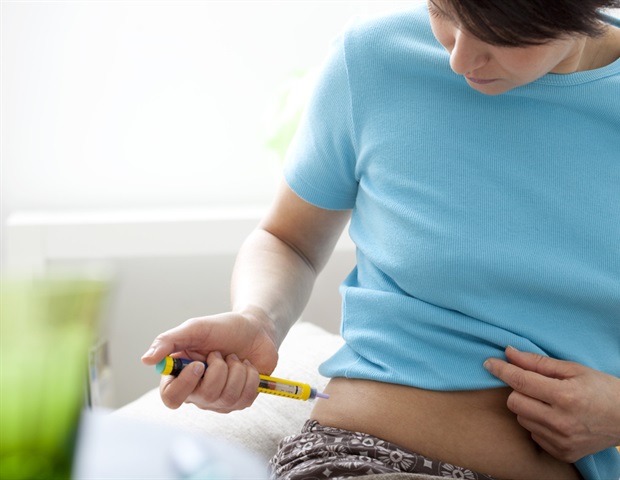
This project matters. It targets the root of type 1 diabetes, which affects 1.6 million Americans and over 8 million people worldwide. By focusing on immune modulation, it could slow or stop the disease before lifelong insulin therapy begins.
2. Early-Life Factors and Youth Diabetes Risk
New research shows that your early environment shapes diabetes risk long before symptoms start. Factors like obesity, puberty hormone shifts, genetics, and even the womb environment tip the scales toward type 1 and type 2 diabetes in youth. news-medical.net

Kids from lower-income or minority backgrounds face higher risks and less access to advanced diabetic tech. That gap shows why early screening and lifestyle support are key. It also underscores the need for community programs and family education.
3. DASH4D and Salt Substitutes Cut Blood Pressure
High blood pressure is common in type 2 diabetes. Two new studies highlight dietary fixes.
- The DASH4D diet with low sodium cut systolic BP by 4.6 mm Hg and diastolic by 2.3 mm Hg over five weeks in adults with type 2 diabetes. physiciansweekly.com
- A pending Cochrane review will test potassium- and magnesium-based salt substitutes against regular table salt in diabetes. It aims to gauge effects on systolic, diastolic, and mean arterial pressure, plus quality of life and lab markers. news-medical.net
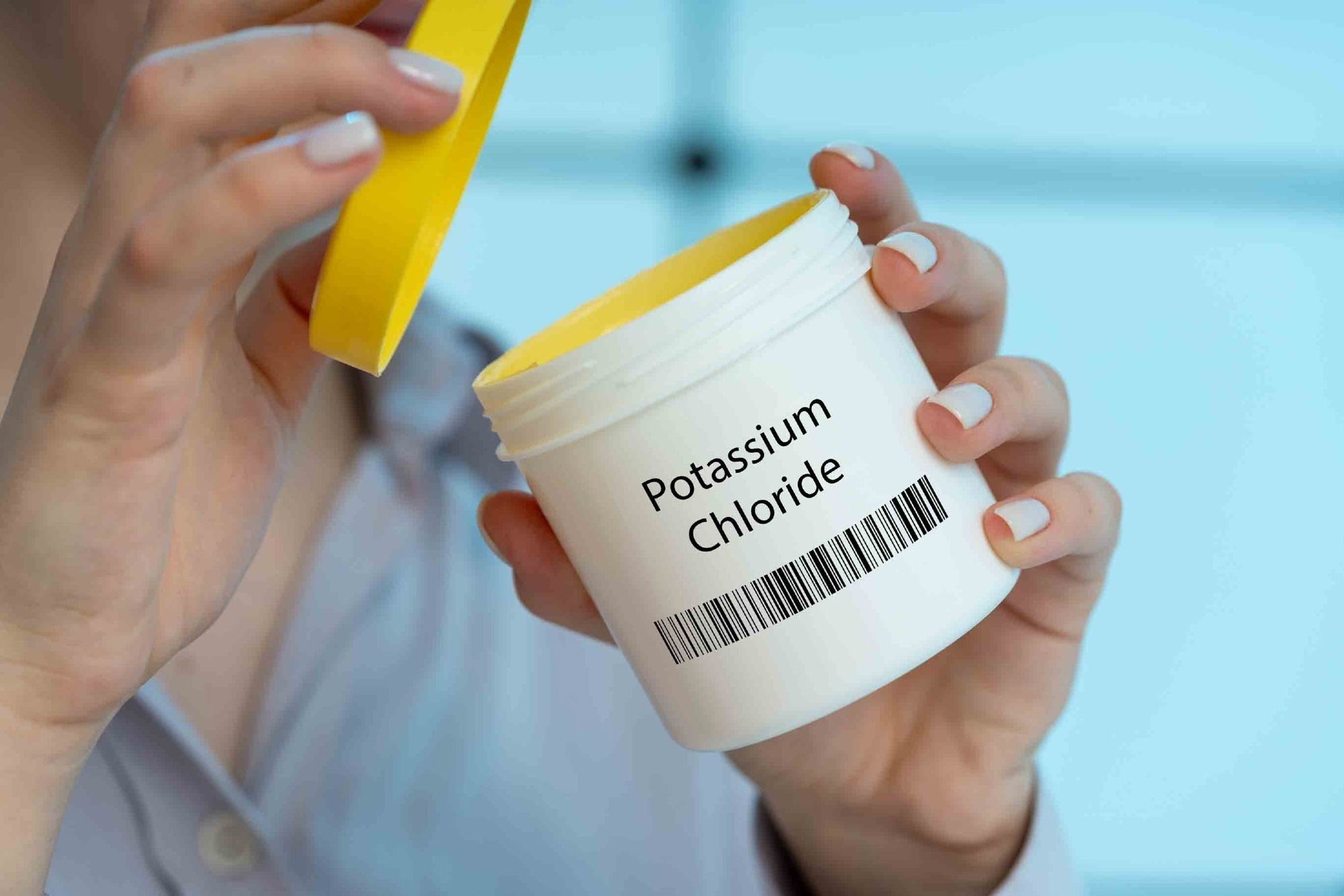
Simple diet tweaks can make a big difference when you’re on multiple BP meds. Talk to your dietitian about the DASH4D plan and safe salt swaps.
4. GLP-1 Drugs: Beyond Blood Sugar to Weight Loss
GLP-1 receptor agonists like semaglutide and liraglutide are proving their weight loss power in non-diabetic patients. Clinical trials show significant drops in body weight, sparking new obesity treatment strategies. study link

These drugs still manage blood sugar, but their role is expanding. If you struggle with obesity or metabolic syndrome, ask your provider about GLP-1 options.
5. New Markers of Diabetic Neuropathy: Nageotte Nodules
Scientists at UT Dallas found that Nageotte nodules in sensory ganglia signal nerve cell death in diabetic neuropathy. This insight may guide new therapies to block or repair nerve damage. research report
Early detection of neuropathy is key. Ask your doctor about nerve tests and watch for symptoms like tingling, numbness, or pain in your feet.
6. Tech Spotlight: SmartMat and Retinopathy Screenings
The VA and Podimetrics SmartMat cuts diabetic foot ulcer amputations by 71%. Veterans stand on this mat daily for 20 seconds. It spots inflammation five weeks before ulcers appear and triggers nurse outreach. legion.org

Also, free diabetic retinopathy screenings this week help catch eye damage early. modernretina.com
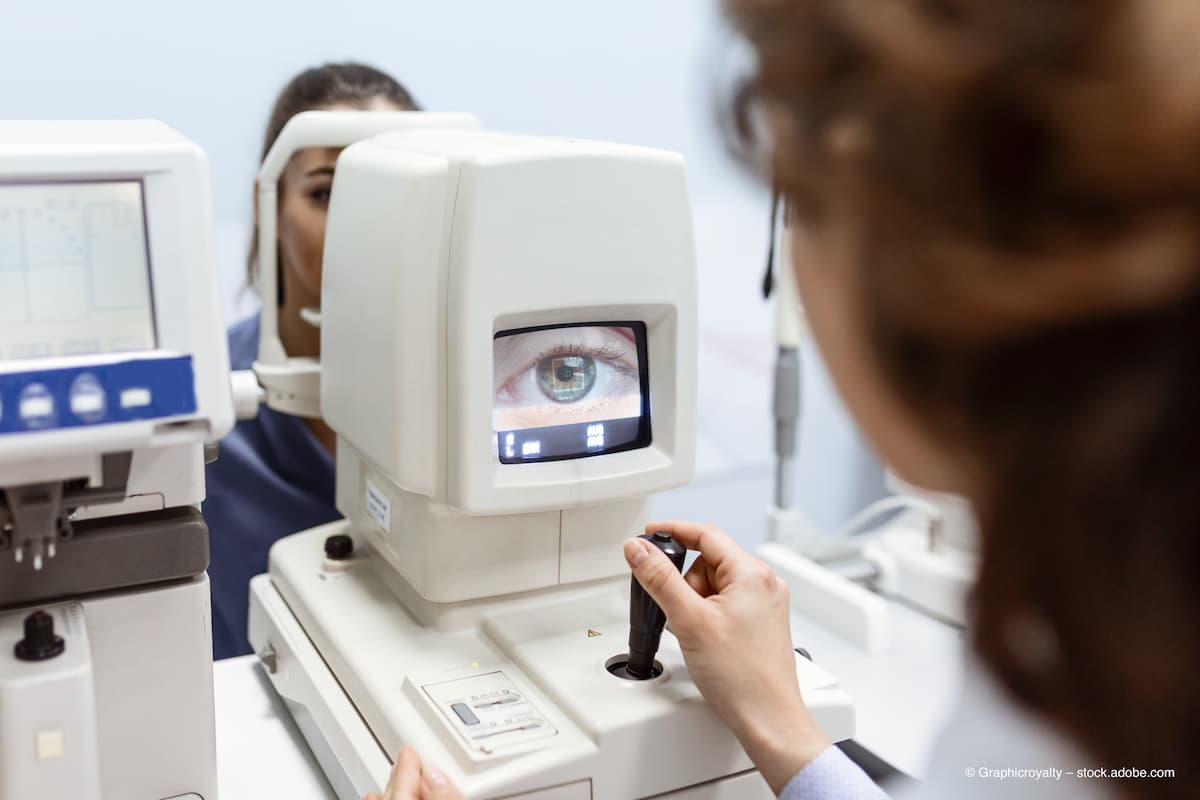
Tech like SmartMat and retinal imaging can save sight and limbs. If you have diabetes, schedule these screenings.
7. COVID-19’s Role in New Diabetes Cases
A California prison study found COVID-19 raised new diabetes risk by 17%. Over two years, infection could bump new cases to 3.2% vs. 2.7% without infection. news-medical.net
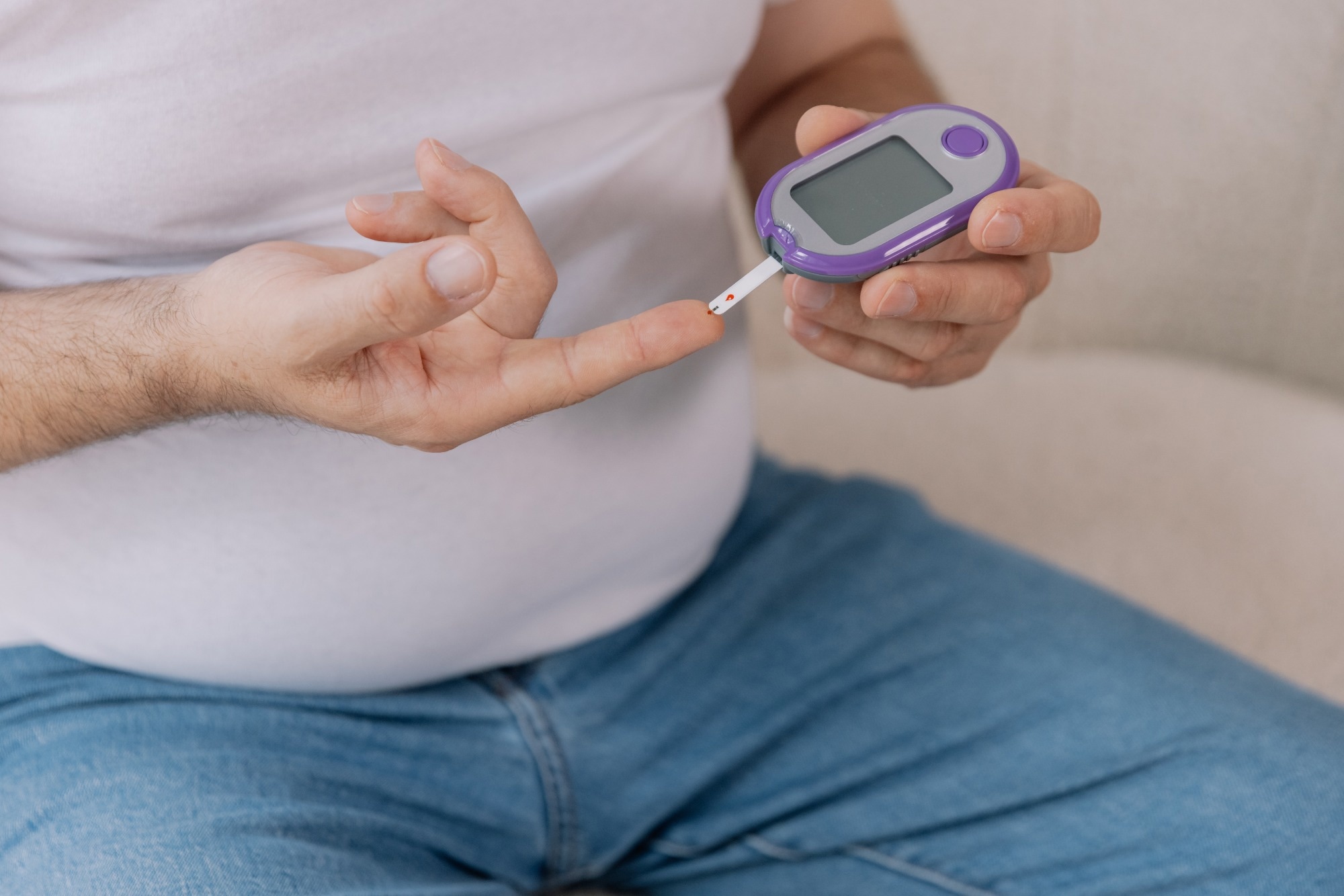
COVID may stress the pancreas or immune system. Survivors should watch blood sugar and report any unusual fatigue, thirst, or weight changes.
8. Gaps in Quality Measures and Prison Care
The American College of Physicians warns most diabetes quality measures lack solid evidence. Only 5 of 14 current measures made the cut for validity and feasibility. medscape.com
In prisons, a lack of diabetes training and limited healthcare hours contributed to a preventable insulin overdose suicide. bbc.com
These findings call for better training, evidence-based measures, and 24/7 diabetes care access in all settings.
9. Comorbidities: Hernia, Kidney Disease, and More
Diabetes raises hernia recurrence and wound complication risks. Tailored hernia plans can improve outcomes for high-risk patients. cureus.com

The GOLD-STANDARD trial will test a four-drug combo (SGLT2, MRA, GLP-1, RAS inhibitors) in diabetic kidney disease. Early care could cut death rates by up to 31%. healio.com

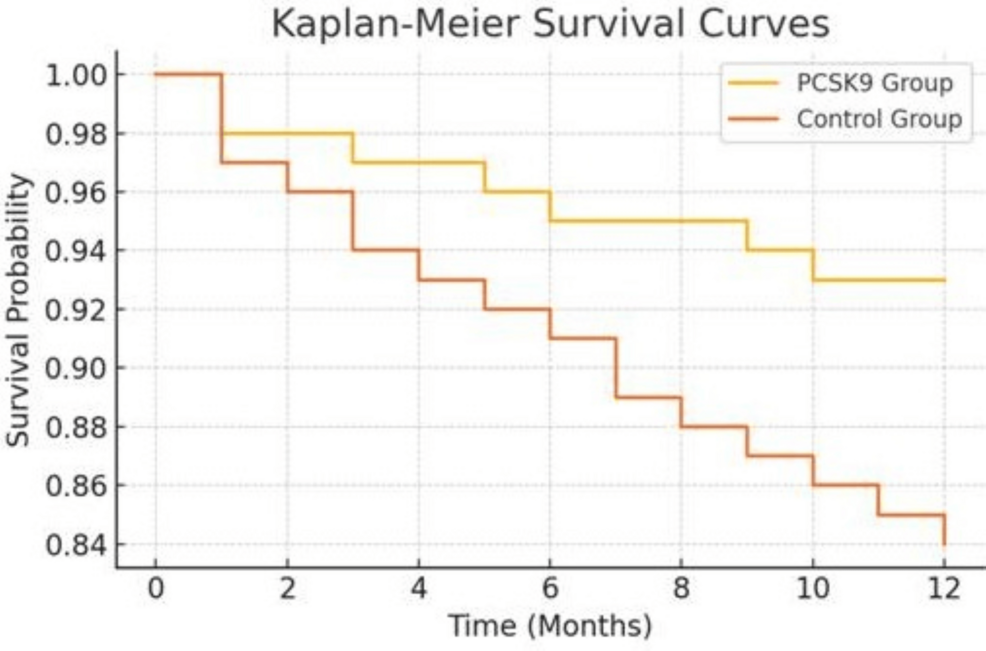
High-risk diabetic patients saw LDL drop 47% and major cardiovascular events fall 25% with PCSK9 inhibitors. cureus.com
Also, a type 2 diabetes drug linked to lower prostate cancer recurrence sparks hope for wider uses. study link
10. Genetics and Diabetic Kidney Disease Risk
A Kazakhstani study found vitamin D pathway gene variants that predict diabetic kidney disease risk. Certain genotypes cut risk, others raise it. frontiersin.org
Genetic markers could help stratify patients and personalize early interventions to protect the kidneys.
Turn Your Unused Supplies into Cash
Got extra test strips, insulin pens, or CGM sensors? Selling diabetic supplies online is safe and easy. DiabeticSupplies.Online buys unused diabetic supplies for cash via mail. Free shipping. Fast payment. Help reduce waste and earn money today.
FAQ – People Also Ask
How can I sell my diabetic test strips for cash?
Visit DiabeticSupplies.Online, fill out a simple form, send your unused test strips by mail, and get paid quickly.
Are GLP-1 drugs safe for weight loss?
GLP-1 receptor agonists approved for diabetes have proven safety profiles. Discuss risks and benefits with your doctor.
What is the SmartMat and how does it prevent foot ulcers?
The SmartMat measures foot temperature daily. It detects inflammation early and alerts care teams to act before ulcers form.
Can salt substitutes really lower my blood pressure?
Potassium and magnesium-based salt substitutes can lower systolic and diastolic blood pressure in people with diabetes, but talk to your dietitian before switching.
Why is there a spike in new diabetes cases after COVID-19?
COVID-19 may trigger inflammation and stress on the pancreas, increasing the risk of new diabetes diagnoses months after infection.