This week brought exciting news for people with diabetes. A Canadian nurse said goodbye to insulin after one stem cell treatment. At the same time, new pills and devices are moving through trials. Prevention research highlights pregnancy and veteran needs. And genetic studies point to fresh drug targets. Here’s what it means for your health and your wallet.
Stem Cell Therapy Offers Hope Beyond Insulin
Amanda Smith, a 36-year-old nurse in Canada, stopped insulin injections after a single stem cell therapy session. The treatment uses lab-grown islet cells to regenerate her pancreas. By August 2023, her insulin needs dropped to zero.
The breakthrough treatment is a leap forward in diabetes care. But it comes with a catch:
- Patients must take lifelong immunosuppressants to stop rejection.
- Regulatory approvals and more trials are still needed.
- The therapy is not yet widely available or affordable.

Researchers at multiple centers call this a milestone. Yet most people with type 1 diabetes still rely on insulin therapy and blood glucose monitoring. Until clinics can offer safe, low-cost stem cell implants, insulin remains essential.
New Oral Treatment for Diabetic Retinopathy
Eye disease is a leading complication of diabetes. Now, Breye Therapeutics announced Phase 1b success with danegaptide, an oral drug for non-proliferative diabetic retinopathy (NPDR) and edema. The trial saw:
- Favorable safety profile—no dose-limiting toxicities.
- Early signs of reduced retinal leakage.
- Improved eye anatomy measures.

Danegaptide could shift treatment away from injections and laser therapies. Phase 2 studies will confirm these findings with regulatory-accepted outcomes. For patients, an oral pill may make regular care easier.
Gut health may also affect vision. A new review in Frontiers in Immunology links gut microbiota dysbiosis to diabetic retinopathy. Microbial imbalance can trigger systemic inflammation and worsen eye damage. Future therapies may include probiotics or diet changes to protect vision.
Targeted Prevention: Pregnancy, Veterans, and Genes
Preventing diabetes matters as much as treating it. Three reports highlight distinct risk factors and groups.
Trace Metals and Gestational Diabetes

A study of over 9,000 women found that excess iron, copper, and magnesium in early pregnancy raised gestational diabetes risk. Higher calcium levels seemed protective. Simple blood tests in the first trimester may guide mineral intake and reduce risk.
Veteran-Specific Prevention Research

VA MOVE! researchers found veterans face unique barriers to diabetes prevention, including transportation and access to care. They also have higher risks of kidney disease and vision loss. Tailored programs can address these gaps and improve health for those who served.
Metabolic Stress Gene Discovery
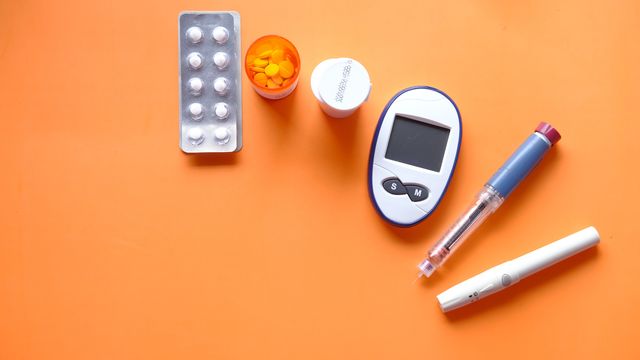
Osaka Metropolitan University scientists identified the REDD2 gene as a key to type 2 diabetes. When metabolic stress hits pancreatic β-cells, REDD2 ramps up and harms insulin production. Blocking REDD2 in lab models protected cells and prevented diabetes. This gene may become a diagnostic marker or drug target.
Drug Advances: From Mifepristone to Tirzepatide
New and repurposed drugs are showing promise in trials. For some patients, they could mean fewer medications or better control.
Mifepristone for Hypercortisolism

Nearly 25% of hard-to-manage type 2 patients have hypercortisolism—too much cortisol. A UNC study using mifepristone (Korlym) cut A1c by 1.5% on average and helped patients lose weight. The CATALYST trial confirmed similar A1c drops and good tolerability. These findings suggest targeting cortisol may transform care for these patients.
GLP-1 Agonists for Type 1 and 2
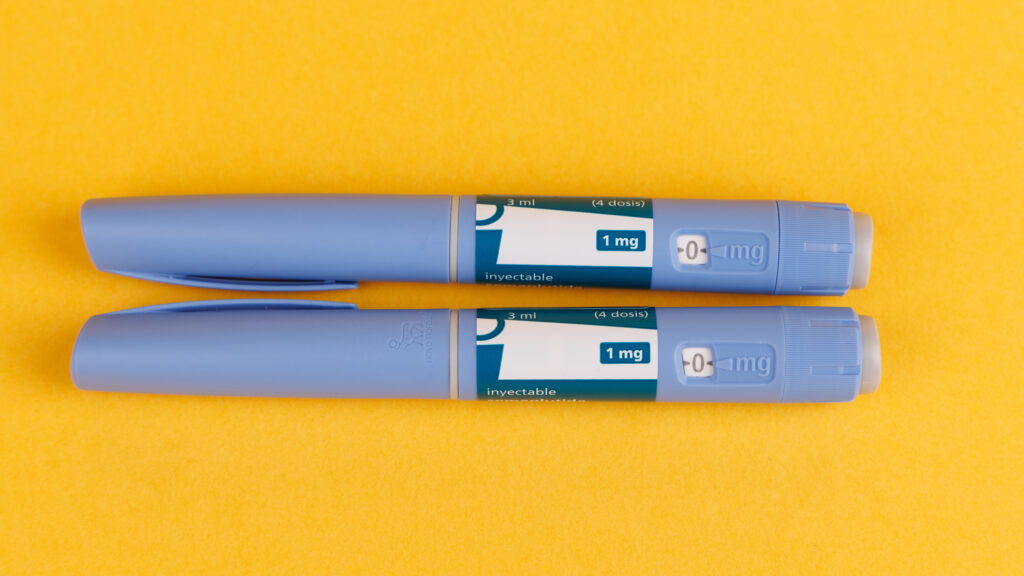
GLP-1 drugs like semaglutide and tirzepatide are making waves. At ADA 2025, tirzepatide showed strong A1c reductions and weight loss in type 2 diabetes trials.
For type 1 diabetes, a small semaglutide trial found patients:
- Spent 36% more time in target glucose range.
- Lost an average of 8.8 kg without raising hypoglycemia risk.
- Reduced daily insulin doses by 30%.
Ozempic (semaglutide) also eased glucose control and weight in adults with obesity and type 1. Though off-label, these studies suggest GLP-1 drugs could add value beyond type 2.
Technology and Support Programs
Devices and care models continue to improve daily life for people with diabetes.
Mercy’s Award-Winning Diabetes Program
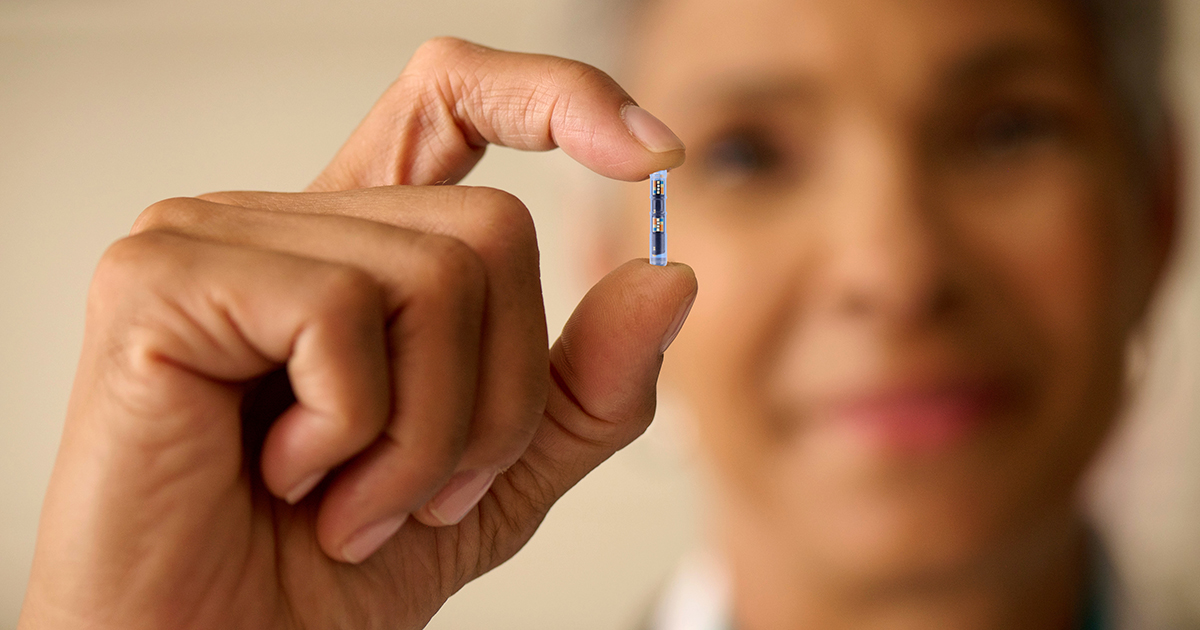
Mercy Health was honored by Becker’s Hospital Review for its comprehensive diabetes program. It was first to use the FDA-approved Eversense 365 CGM. Patients get a year-long implantable sensor, classes, education, and counseling—all under one roof.
Advancing CGM Adoption

Dexcom’s CEO says broader insurance coverage and better education are keys to CGM use in type 2 diabetes. AI and integration with nutrition and activity data will make CGM even more powerful for personalized care.
Ready-to-Use Glucagon Saves Lives

Pre-filled glucagon pens now let patients treat severe low blood sugar without mixing kits. Experts urge routine prescriptions, family training, and keeping spare kits—not once but every year—to ensure readiness.
UNM’s C.H.I.L.E. Clinic for Limb Preservation
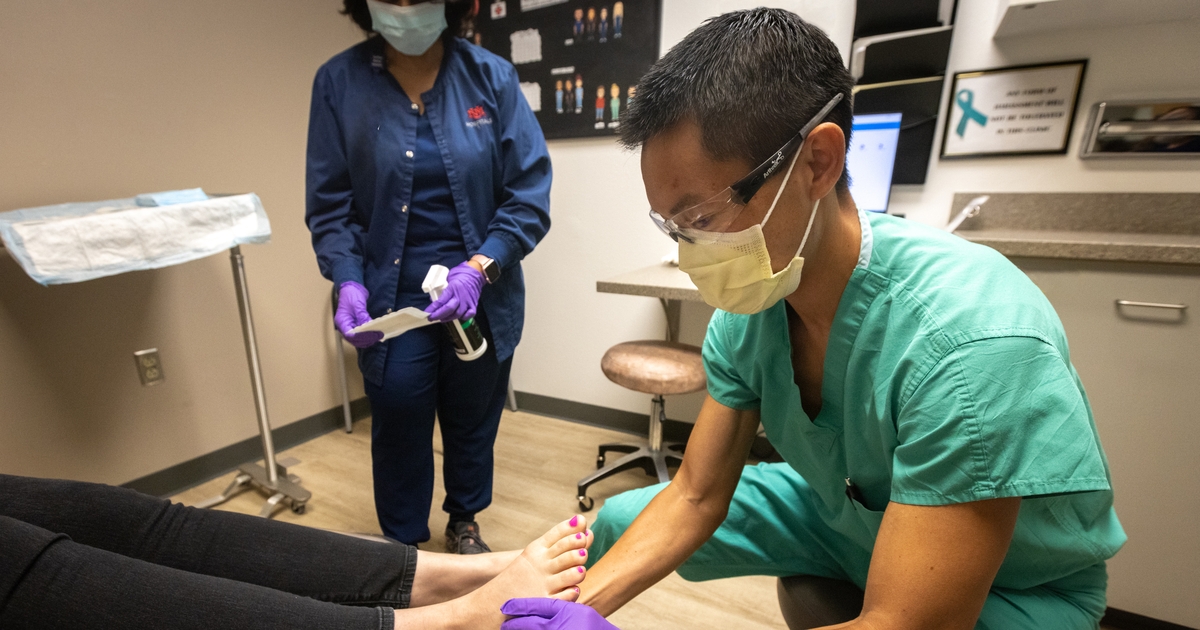
The C.H.I.L.E. Clinic at UNM Hospital uses podiatry, wound care, and psychology to prevent amputations. By treating wounds and supporting mental health, the team helps patients heal and keep their mobility.
Social Factors and Diabetes Care
Vanderbilt’s Cultural Contexts study cited Matthew Klingle’s research on how food access, transportation, and environment affect diabetes risk in Black and Native communities. Addressing these structural issues is as important as diet and exercise.
What This Means for You
These breakthroughs show diabetes care is evolving fast. New therapies, prevention research, and tech tools can improve glucose control, reduce complications, and simplify daily life. While not every innovation is ready for you yet, staying informed lets you discuss options with your care team.
Got extra test strips or unused supplies for diabetics? Turn them into cash. DiabeticSupplies.Online is a trusted diabetic supplies company that buys unused diabetic supplies by mail. Sell diabetic supplies for cash, help the environment, and put money back in your pocket today.
FAQ – People Also Ask
How soon will stem cell therapy for diabetes be widely available?
Stem cell therapy is still in clinical trials and requires regulatory approval. Experts estimate it may take several years before it’s offered outside research centers.
Can gestational diabetes risk be reduced by changing diet?
Balanced intake of trace metals like calcium, iron, and magnesium may lower gestational diabetes risk. Talk to your doctor about safe supplements and dietary adjustments in early pregnancy.
Is GLP-1 therapy safe for type 1 diabetes?
Small trials of semaglutide in type 1 diabetes show improved glucose control and weight loss, but it’s not FDA-approved for type 1. Always consult your endocrinologist before off-label use.
What does Mifepristone do in type 2 diabetes?
Mifepristone blocks cortisol receptors. In patients with excess cortisol, it can lower A1c and help with weight loss, offering a new treatment angle for some type 2 cases.
How can I sell my unused diabetic test strips?
Visit DiabeticSupplies.Online, request a prepaid mailer, and send in your unused supplies. You’ll get cash once they arrive and pass inspection.