Diabetes research is speeding ahead. Recent studies link emotional stress at work to higher type 2 diabetes risk. At the same time, stem cell therapies are offering the first hints of a cure. New drugs, device markets and patient stories all point to a brighter future. Here’s a clear roundup of today’s most exciting updates for anyone living with diabetes.
Workplace Stress and Diabetes Risk
A large study in Sweden found that demanding jobs may raise your chance of developing type 2 diabetes. Researchers at Karolinska Institutet looked at data from over three million Swedes. They identified roles in education, healthcare and service industries with high emotional demands.

Key findings:
- Men in high-demand roles had a 20% higher diabetes risk.
- Women saw a 24% higher risk in similar jobs.
- Regular conflict upped risk by 15% for men and 20% for women.
- Women with low workplace support and high demands faced a 47% higher risk.
This study, reported by newatlas.com, shows how a stressful work culture can affect blood sugar control and metabolic health. If your job is full of tight deadlines, confrontations or limited support, consider talking to a manager about wellness programs or stress breaks. Protecting mental health helps guard against diabetes over the long term.
Breakthroughs in Treatments and Therapies
Stem Cell Therapy Brings Insulin Freedom
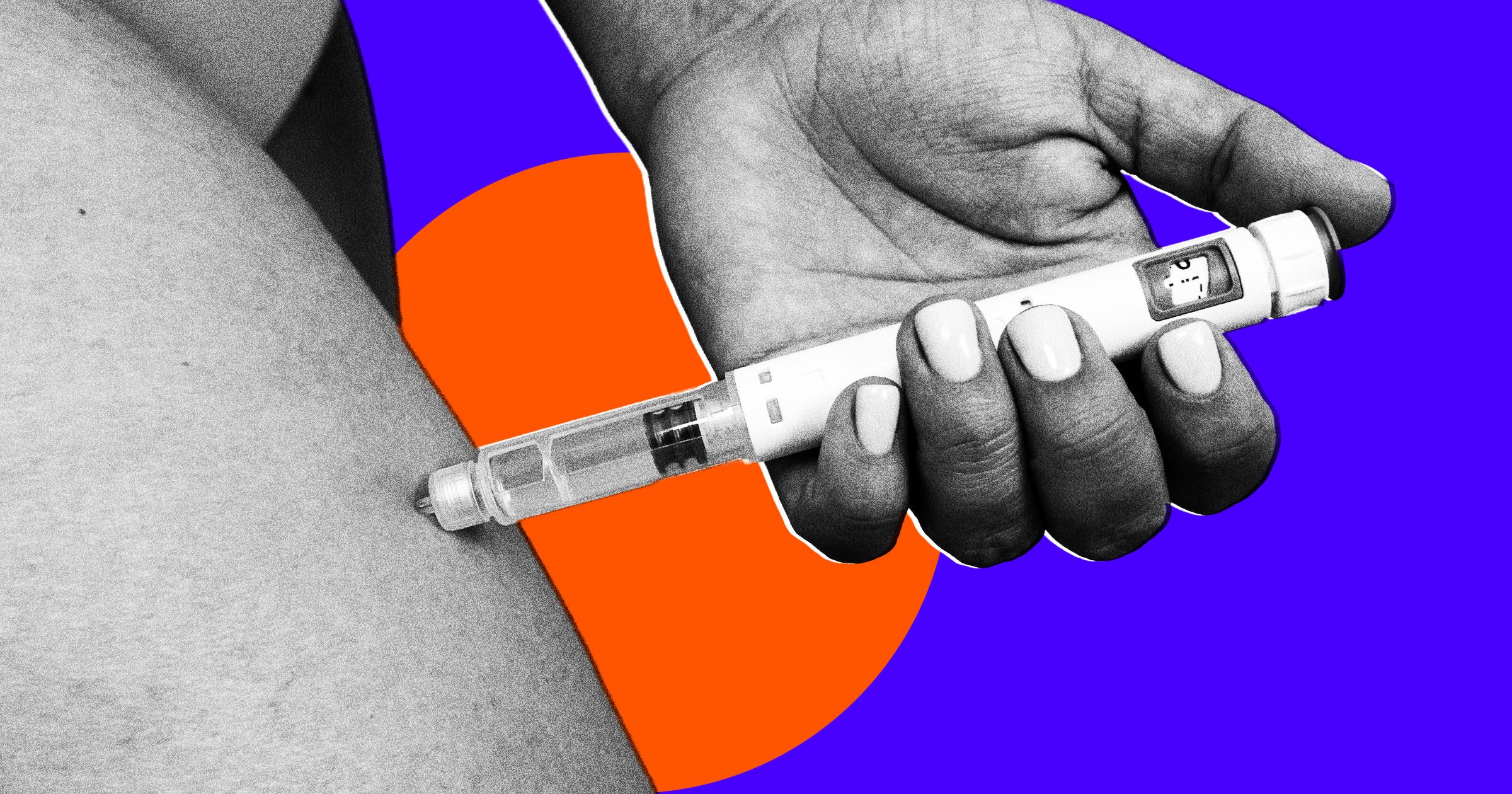
A Canadian woman with type 1 diabetes no longer needs insulin shots after receiving a single dose of lab-made stem cells. The cells were designed to grow in her liver and produce insulin like a healthy pancreas. Ten of twelve study participants achieved insulin independence for at least a year, reports futurism.com.
This experimental treatment called zimislecel could be a game-changer. Patients do need immune-suppressing drugs to prevent rejection. Researchers are now working on versions that the body will accept without those medications. If successful, stem cell implants could cut daily insulin shots and bring new hope to 1.6 million Americans with type 1 diabetes.
Pretreating Islet Cells to Boost Transplant Success

Transplanted islet cells often die before they can work. A new pretreatment method called ChemPerturb-Seq uses small molecules to prepare islets for transplant. In female mice, the original cocktail extended cell survival. Researchers then developed a refined mix, LIPHS, that worked in both sexes. This breakthrough, detailed on news-medical.net, could lower the number of cells needed and shorten transplant waitlists for type 1 diabetes patients.
Off-Label Promise: Tirzepatide in Type 1 Diabetes

Originally approved for type 2 diabetes, tirzepatide is showing off-label promise in type 1. A small trial led by Dr. Simon Berry found 40% of type 1 patients on tirzepatide hit an A1C under 7% without severe side effects. The drug works on two gut hormones: GIP and GLP-1. While more research is needed, early results published on hcplive.com hint at a useful adjunct to insulin for some patients.
Semaglutide: Weight Loss and Dementia Protection
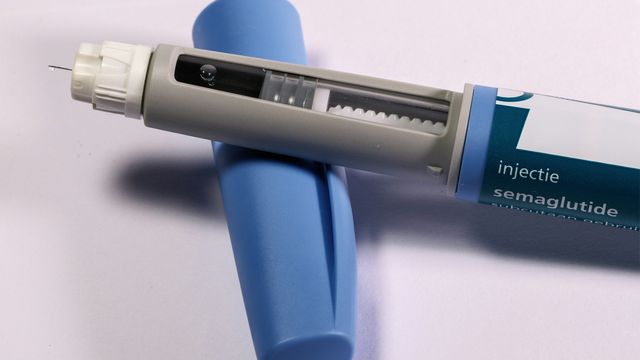
Semaglutide, a GLP-1 agonist, is best known for weight loss in type 2 diabetes. Now a 26-week trial in type 1 adults using insulin pumps found 36% lost 20 pounds on semaglutide versus zero on placebo (technologynetworks.com). No serious complications were reported.
Meanwhile, a study of 1.7 million type 2 patients showed semaglutide users had a 46% lower risk of Alzheimer’s-type dementia and a 20% lower risk of vascular dementia than those on older drugs. That research appeared on sciencedaily.com. These findings may drive new trials and regulatory approval for broader semaglutide use.
Vildagliptin vs. Linagliptin for Diabetic Lung Injury
Diabetes can injure the lungs through chronic inflammation. In type 1 diabetic rats, the DPP-4 inhibitor vildagliptin outperformed linagliptin. Vildagliptin reduced oxidative stress, improved lung function and blocked a cell-death process called pyroptosis by targeting the NLRP3 inflammasome. Linagliptin had smaller benefits. The study, published in Scientific Reports, suggests vildagliptin may offer dual blood sugar and lung protection for type 1 patients.
Advances in Diabetes Technology and Market Trends
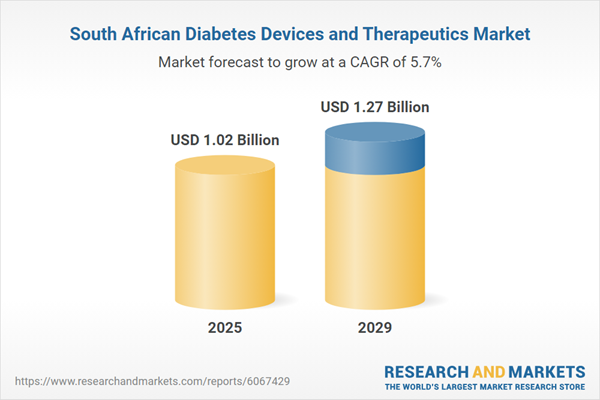
The South African diabetes devices market is set to grow at 5.7% annually through 2029, reaching $1.27 billion. Key drivers include rising adoption of continuous glucose monitoring (CGM) systems, remote digital health solutions and advanced insulin delivery devices. A new regulatory framework is speeding approvals of next-gen tech. Global leaders and local innovators are merging to share data and refine products, according to globenewswire.com. For patients, that means more choice in insulin pumps, sensors and apps to manage blood glucose.
Personal Stories and Advocacy
Teen Delegate at Children’s Congress

Fifteen-year-old Hydee Lyman from Hayden, Idaho, will represent her state at the Breakthrough T1D Children’s Congress in Washington, D.C. Hydee was diagnosed at 10 and balances dance, racing and insulin pumps. From July 7–9, she’ll meet lawmakers to push for funding and affordable insulin. Her story, covered by cdapress.com, shows how young advocates can shape policies that affect insulin access and medical devices.
Support in Conflict Zones
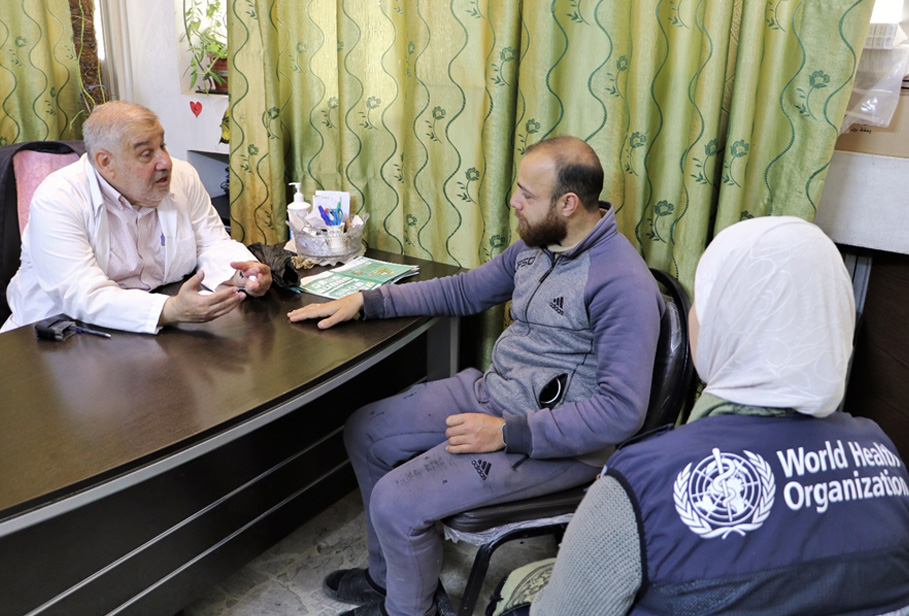
In Hama, Syria, 22-year-old Molham has battled type 1 diabetes since age 5. Conflict made insulin scarce and dangerous to store. Thanks to WHO and KSrelief, he now gets free insulin kits at his hospital. This program supports 100,000 patients across Syria, offering hope in crisis settings. Read more on emro.who.int.
Natural Prevention and Lifestyle Tips

You can lower your risk of type 2 diabetes with simple daily habits. A recent guide on womansworld.com lists eight natural strategies:
- Eat an avocado daily: Helps stabilize blood sugar.
- Drink pu-erh tea: Can cut diabetes risk by up to 47%.
- Garden regularly: Lowers risk by nearly 49% through activity.
- Limit light at night: Protects your internal clock.
- Choose flavonoid-rich foods: Apples, berries and dark chocolate aid glucose control.
- Enjoy golden milk: Turmeric’s curcumin may help prevent prediabetes.
- Spend time in nature: Cuts stress and diabetes risk by 56%.
- Take sun breaks: Boosts vitamin D and may lower diabetes risk.
Always chat with your doctor before big diet or lifestyle changes. These steps join proven medical strategies like A1C monitoring and insulin pumps to keep blood sugar in range.
Drug Interactions and Care Gaps
Cholesterol Drugs and Microvascular Risks

A genetic study warns that some cholesterol-lowering drugs may raise the risk of diabetic microvascular issues. HMGCR inhibitors like statins were linked to higher rates of neuropathy, retinopathy and nephropathy, while NPC1L1 blockers showed protective effects. Published in the Journal of Diabetes Research and reported by pharmacytimes.com, these findings remind providers to balance heart health and microvascular safety.
America’s Diabetes Care Provider Shortage

The US faces a shortage of diabetes care specialists. Dr. Jay Shubrook and Dr. Conan Tu propose ramping up diabetes education programs, funding interdisciplinary teams and boosting telehealth to fill the gap. Timely treatment with endocrinologists, diabetes educators and dietitians is key to preventing complications, stresses their dialogue on hcplive.com.
Sell or Donate Your Unused Supplies
Do you have extra test strips, CGM sensors or insulin pump cartridges? Don’t let them go to waste. At DiabeticSupples.Online, we pay cash for unused diabetic supplies. It’s simple and secure:
- Gather your sealed test strips, CGM sensors or pump sets.
- Request a prepaid mailer at DiabeticSupples.Online.
- Send them in and get cash fast.
Turn your extra supplies into money today. Visit our site to sell diabetic supplies for cash.
FAQ – People Also Ask
What jobs increase type 2 diabetes risk?
High-stress roles with emotional demands and conflict, like healthcare, education and social services, can raise diabetes risk by up to 47%, especially when workplace support is low.
How close are we to a stem cell cure?
Early trials show some patients with implanted stem cells no longer need insulin for over a year. Next steps focus on reducing immune suppression and confirming long-term safety.
Can semaglutide help people with type 1 diabetes?
Yes. A small trial found that semaglutide added to insulin pumps helped 36% of overweight type 1 patients lose weight and improve blood sugar without severe side effects.
Where can I sell unused diabetic test strips?
Online buyers like DiabeticSupplies.Online offer prepaid mailers and fast payment for sealed, unexpired test strips and CGM sensors.
What lifestyle changes prevent type 2 diabetes?
Habits like eating avocado daily, drinking pu-erh tea, gardening, limiting light at night, and spending time in nature can cut risk by 40–60% when combined with medical care.