Today’s diabetes news brings simple tips, new drugs and cutting-edge devices. A major ADA study shows swapping diet drinks for water can lead to real weight loss and type 2 diabetes remission. Beyond that, new medications like orforglipron and MariTide promise better blood sugar control. Semaglutide trials expand benefits to type 1 diabetes and may even cut dementia risk. Plus, AI-powered retinal cameras and fresh liver screening guidelines are making care more proactive. Read on for the key updates and what they mean for you.
Swap Diet Drinks for Water for Better Weight Loss & Diabetes Remission
A study presented at the American Diabetes Association’s annual meeting enrolled 81 overweight or obese women with type 2 diabetes. One group swapped all diet drinks for water. After 18 months, the water group lost an average of 6.82 kg, compared to 4.85 kg in the diet drink group. Even more striking, 90% of the water group achieved diabetes remission versus 45% on diet drinks (physiciansweekly.com).
Why it matters: Empty calories from sweeteners may still trigger cravings and insulin spikes. Plain water avoids that. If you use diet sodas or zero-calorie drinks, start by swapping one serving a day for a glass of water. Over weeks, aim for all drinks to be water. You’ll likely see weight benefits and better blood sugar readings.
New Diabetes Medications: Orforglipron and MariTide Promise
Early type 2 diabetes patients in a 40-week New England Journal of Medicine study received orforglipron at doses of 3 mg, 12 mg or 36 mg daily. All doses outperformed placebo, lowering HbA1c by 1.24 to 1.48 percentage points. Participants also lost 4.5% to 7.6% of body weight, with only mild GI side effects (physiciansweekly.com).
Meanwhile, MariTide, a once-monthly injectable, showed up to 20% body weight loss over a year in people with obesity, with or without diabetes. In diabetic patients, 87% reached normal A1c levels. Nearly all experienced GI symptoms, but dose escalation may ease that in Phase 3 trials (medscape.com).
Bottom line: Talk to your doctor about orforglipron or emerging agents like MariTide. These drugs could join metformin and GLP-1 agonists in advanced diabetic supplies for better glucose control.
Semaglutide Expands Role Beyond Type 2: Type 1 Benefits and Dementia Risk Reduction
Several trials show semaglutide (Ozempic, Wegovy) is moving into new territory:
- A 26-week study added semaglutide to automated insulin delivery in overweight type 1 diabetics. Users lost an extra 19.4 pounds and spent more time in the healthy glucose range without more severe hypoglycemia or ketoacidosis (newatlas.com).
- Another ADA presentation reported semaglutide improved time in range and led to ≥5% weight loss in adults with type 1 diabetes and obesity, with no extra hypoglycemia (medscape.com).
- A large electronic health record analysis of 1.7 million type 2 diabetes patients found those on semaglutide had a lower risk of developing dementia. The benefit was strongest in older adults and women (thedaily.case.edu).
Semaglutide is more than a weight-loss shot. It’s shaping up as a versatile diabetic supply for improved blood sugar, weight control and long-term brain health.
Emerging Diabetes Technologies at ADA 2025
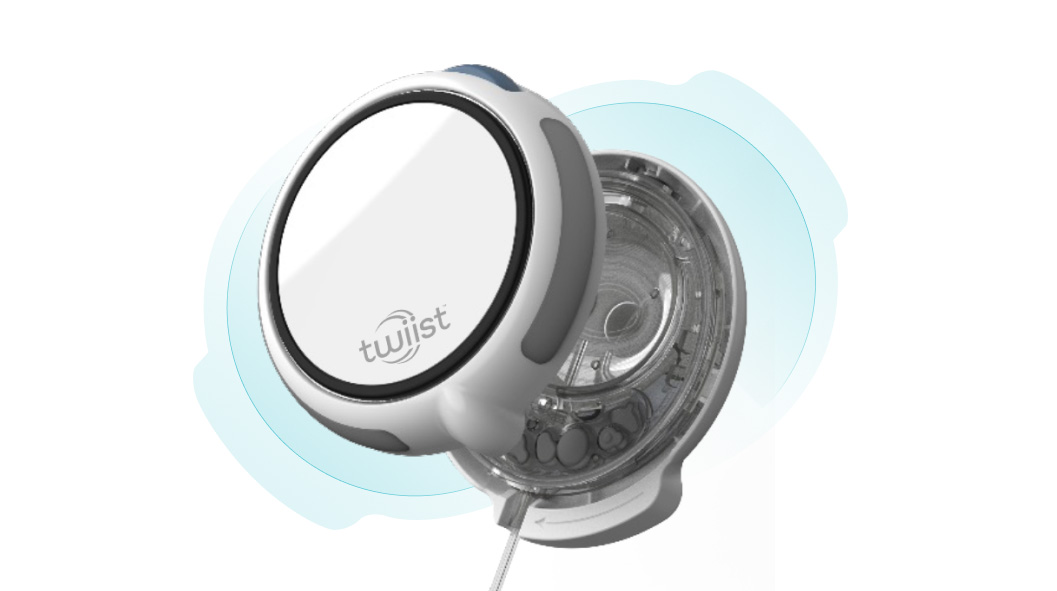
The ADA meeting showcased devices set to change diabetes care:
- Twiist AID: A sound-wave insulin delivery system controlled by iPhone or Apple Watch for ages 6+.
- T:slim X2 Pump: Now works with FreeStyle Libre 3 Plus CGM for seamless insulin-glucose data.
- Mint Patch Pump: A 3-day wear device holding 200 units of insulin. To be covered by insurers.
- Glucotrack Implantable: Real-time glucose readings with less lag than current CGMs.
These advances highlight the shift toward closed-loop systems and smarter medical devices. Stay tuned—many will be available this year or in the next few.
AI in Early Detection: Retinal Camera in Primary Care

WVU Medicine Uniontown Hospital now offers an FDA-approved AI retinal camera in primary care offices. The camera scans the back of the eye and flags early signs of diabetic retinopathy. If any changes appear, patients get referred to an eye specialist (observer-reporter.com).
Benefits include:
- Screening during routine doctor visits.
- No pupil dilation or lengthy appointments.
- Immediate AI analysis and referral if needed.
Early detection is crucial to prevent vision loss. Ask your primary care doctor if this screening is available near you.
Screening and Support: Liver Checks and Medication Adherence
The American Diabetes Association now recommends routine liver screening for people with type 2 diabetes to detect MASLD (metabolic dysfunction-associated steatotic liver disease) (ufhealth.org). Early diet and glucose-lowering drug interventions can reverse liver fat buildup. A simple FIB-4 score helps gauge fibrosis risk.
Meanwhile, a survey of 522 inpatients in Xi’an, China, linked low social support to poor medication adherence. Underweight patients and those on oral+injectable regimens showed better adherence. Older adults and injectable users faced more glycemic control challenges (frontiersin.org).
Action steps:
- Ask your doctor about a FIB-4 score.
- Build a support network. Share your medication plan with family or support groups.
Oral Therapy for Diabetic Retinopathy: A New Hope
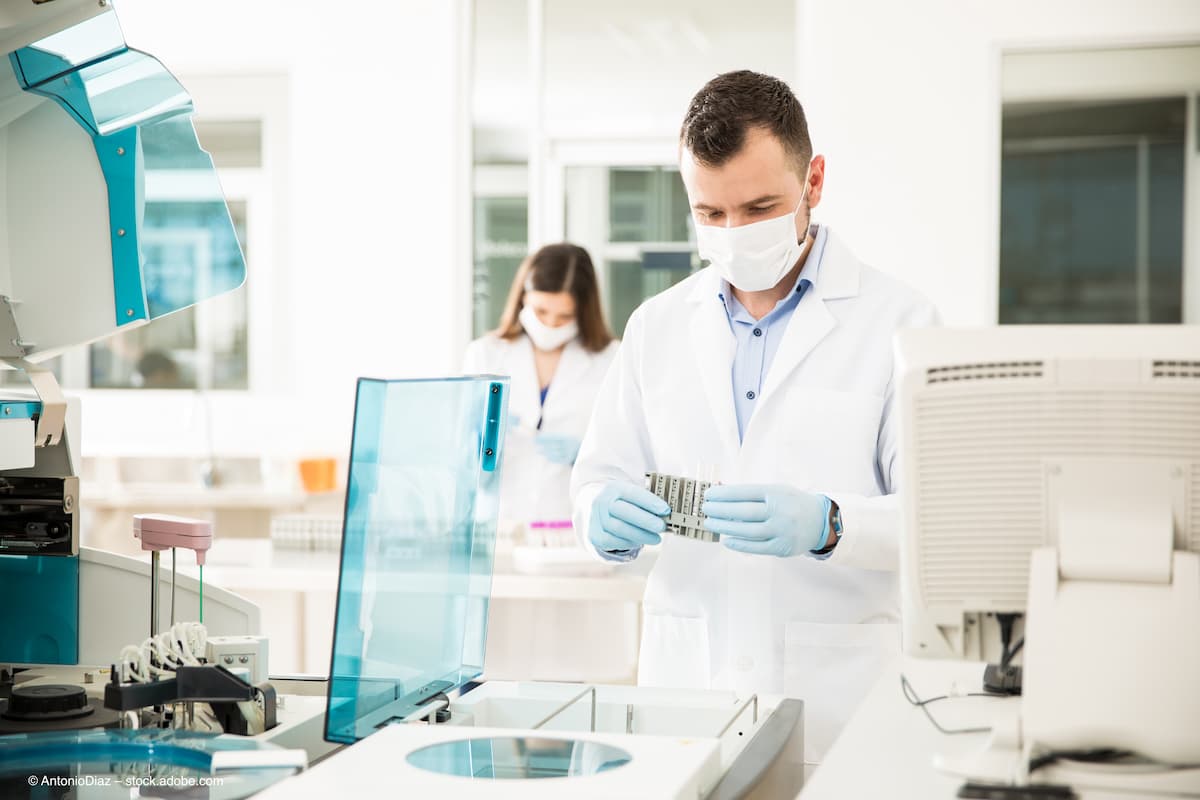
A Phase 1B trial of an oral therapy for mild to moderate diabetic retinopathy showed improved vision outcomes and reduced progression risk. The drug was well-tolerated with minimal side effects. Further studies are planned to confirm efficacy and safety (modernretina.com).
This could be a game-changer for patients who find eye injections daunting or cannot access regular specialist care.
Predicting Type 1 Progression with AI-Driven Risk Scores
Researchers across seven countries developed a dynamic risk score (DRS) for type 1 diabetes progression. Using microRNA data from nearly 6,000 samples, the AI-driven model adjusts for changing risk factors. It can spot misdiagnoses, predict therapy response, and guide early interventions (nature.com).
Personalized risk monitoring means earlier care and tailored treatments. Ask your endocrinologist if genetic or microRNA testing is available in clinical trials near you.
Patient Tips: Simple Exercises for Blood Sugar Control

A man shared how daily calf raises helped lower his blood sugar spikes. While clinical evidence is limited, simple strength exercises can boost glucose uptake in muscles. Try 3 sets of 15 calf raises after meals, and track your readings. Always check with your doctor before starting new exercises (timesofindia.indiatimes.com).
Safety Alerts: GLP-1 Jabs and Pancreas Problems
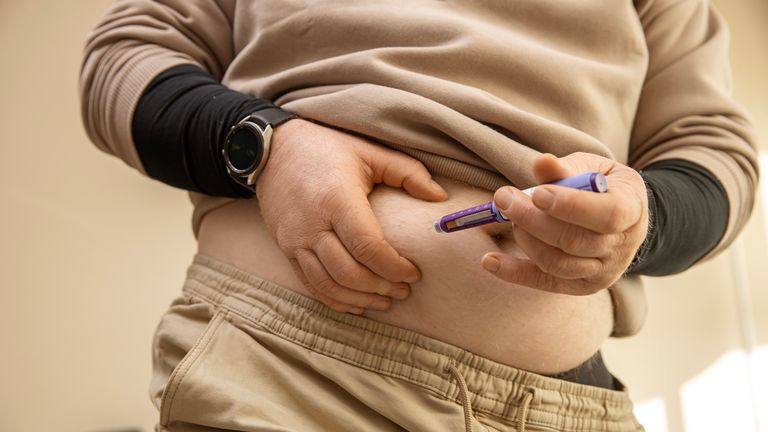
The UK’s MHRA has recorded nearly 400 reports of acute pancreatitis linked to GLP-1 drugs like Mounjaro, Wegovy and Ozempic. Some cases were fatal. Symptoms include severe abdominal pain, nausea and fever. A new study will look for genetic risk factors (theguardian.com, news.sky.com).
If you’re on a GLP-1 agonist, watch for stomach pain or fever and report issues to your doctor right away.
Make Your Supplies Work for You: Turn Unused Items into Cash
If you have extra glucose meters, test strips or pens, consider selling them to a trusted diabetic supplies company. DiabeticSupplies.Online buys unused diabetic supplies for cash via mail-in. You clear clutter, help others access affordable testing supplies, and earn money. Visit our website to get started—no hidden fees.
FAQ – People Also Ask
How much water should I drink to replace diet drinks effectively?
Aim for at least 8 cups (64 oz) of water a day. Gradually swap one diet drink at a time to make the change sustainable. Track daily intake to ensure consistency.
What side effects should I watch for with new diabetes medications?
Common side effects include mild to moderate gastrointestinal symptoms. Report severe nausea, pain or allergic reactions to your doctor immediately.
Can semaglutide really help people with type 1 diabetes?
Early trials show semaglutide improves glucose control and aids weight loss in overweight type 1 diabetics on automated insulin delivery. Discussion with your endocrinologist is essential before use.
Is AI retinal screening accurate for diabetic eye disease?
FDA-approved AI retinal cameras have shown high accuracy in detecting early retinopathy. They’re a convenient way to screen during routine care, speeding up referrals when needed.
How can I sell unused diabetic supplies for cash?
Collect your unused or unopened supplies, box and mail them to DiabeticSupplies.Online. Get a free quote on our site and get paid once items are verified. It’s safe, easy and reliable.