Today’s diabetes news brings simple tips and big breakthroughs. Small changes, like swapping drinks or adding 150 minutes of exercise a week, can cut risks. New studies show how lifestyle beats drugs, tech tools spot eye damage early, and semaglutide-like drugs may help type 1 diabetes. Plus, learn where to turn unused supplies into cash.
Better Beverage Choices for Diabetes Prevention and Remission
Sugary drinks can harm metabolic health. Women who drink fruit juices or sodas face higher insulin resistance and type 2 diabetes risk. A study shows women are more prone than men to this effect. Healthier swaps work wonders.
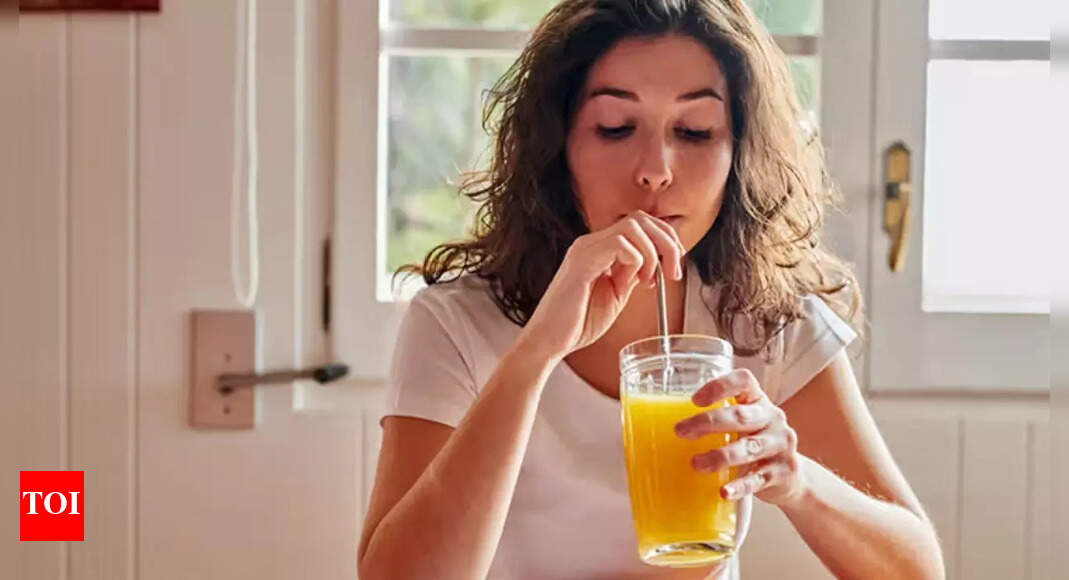
Switch to water, unsweetened tea, or black coffee. These drinks help control blood sugar without extra calories. It’s an easy way to protect your health and glucose levels. Source: timesofindia.indiatimes.com.
Swapping Diet Soda for Water Slashes Remission Odds
Not all “diet” drinks are harmless. A trial with 81 women with type 2 diabetes and obesity found big gains when they quit diet soda. The water group lost more weight and 90% hit remission, versus 45% in the soda group. They saw better BMI, fasting glucose, and insulin resistance too.
Source: Medical News Today.
150 Minutes a Week: Reverse Prediabetes with Exercise
Prediabetes doesn’t have to be permanent. Just over two hours of exercise weekly can kick high blood sugar back to normal. In a study of 130 adults, 21.5% reversed prediabetes in one year by doing 150+ minutes of moderate exercise per week. Adding a low glycemic diet and weight loss boosts results.

Getting active is free. A walk, bike ride, or home workout can pay back in lower A1C and better health. Source: medicalnewstoday.com.
Over Decades, Lifestyle Beats Metformin for Prevention
A follow-up to the DPP study shows healthy habits beat metformin over 22 years. Those on lifestyle changes—diet, exercise, weight control—lowered diabetes risk by 24%. Metformin users saw 17% reduction. No new cases appeared in the lifestyle group after two decades.
Source: hscnews.unm.edu. This proves lifestyle is a powerful long-term strategy.
Boosting Gestational Diabetes Self-Care
Gestational diabetes affects up to 20% of pregnancies worldwide. Self-care cuts complications for mom and baby. A new study used structural equation modeling to link quality of life and social support to better self-care. Women with strong support networks and good well-being stuck to diet, exercise, and glucose checks more consistently.
Improving life quality and community support—through family, peer groups, or online forums—can raise self-care scores. This means healthier pregnancies and fewer hospital stays. Source: bmcwomenshealth.biomedcentral.com.
Bridging Gaps in Care: Telemedicine and Pharmacists
The pandemic pushed telemedicine use among diabetes patients. A study found audio-only visits drove higher uptake in safety-net clinics. Video-only platforms left some groups behind, like older adults and non-English speakers. Mixing audio and video boosts access for everyone.
Source: physiciansweekly.com.
Pharmacists also play a growing role in team-based care. They solve medication issues, advise on insulin therapy, and boost patient engagement. Breaking down silos between doctors and pharmacists means smoother care plans and fewer errors. Source: drugtopics.com.
Emerging Treatments: From Semaglutide to Islet Cells
Ozempic-style drugs may help type 1 diabetes too. In a trial of semaglutide vs placebo, patients saw glucose in range over 70% of the time and lost 5%+ body weight. This could become a first-line add-on to insulin for some type 1 cases. Source: livescience.com.
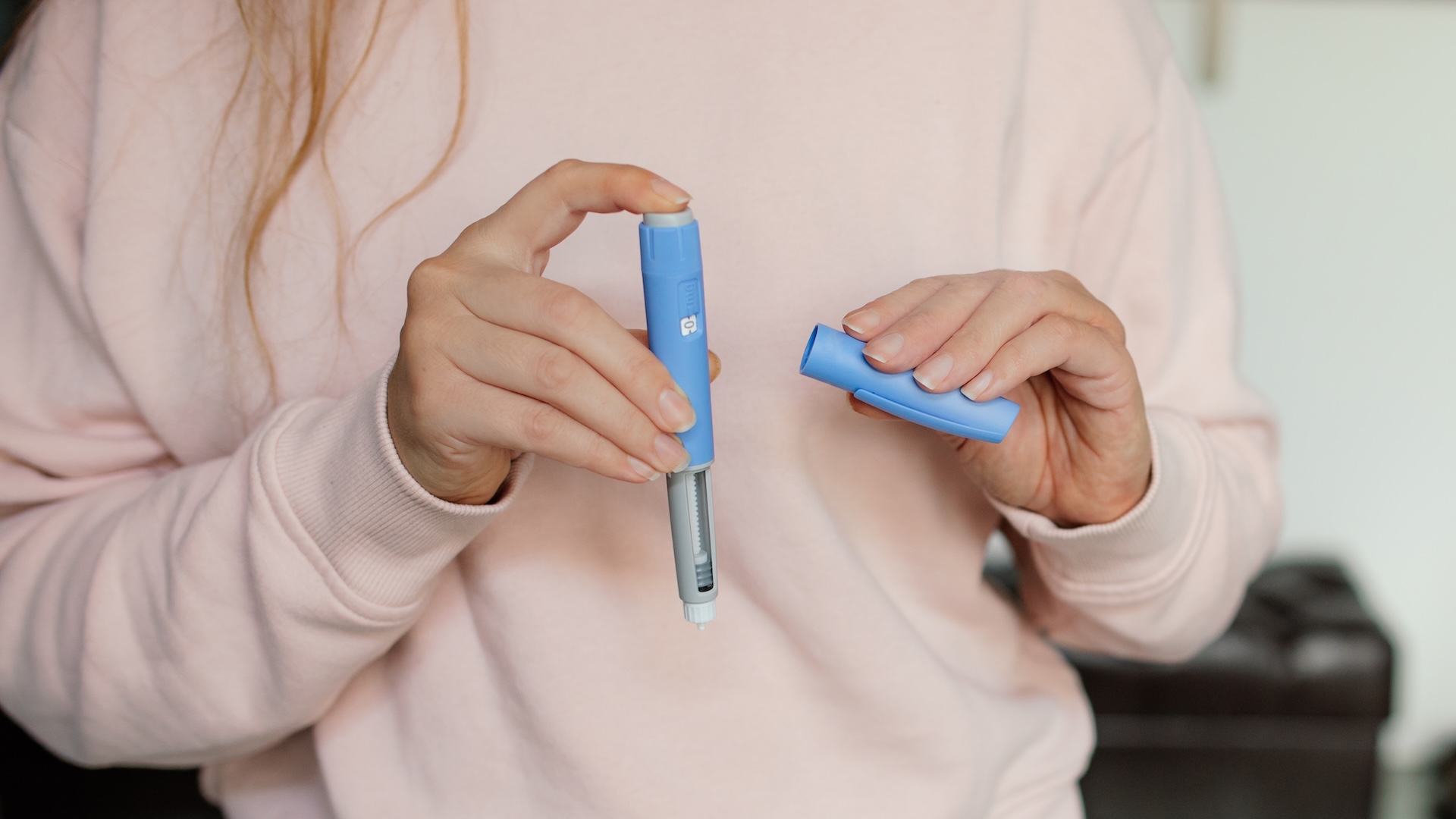
At the ADA 2025 session, once-weekly basal insulin showed similar control to daily shots but with fewer dose tweaks. Beta cell therapy from stem cells let 12 type 1 patients make insulin again with 70%+ time in range. AI tools also emerged to spot those at risk of type 1 and guide prevention. Source: diabetes.org.uk.
Islet cell transplants offer a potential cure. In a small study, 8 of 12 patients dropped insulin use after a year. Early results are promising, but more work is needed. Source: managedhealthcareexecutive.com.
The Role of Optometrists and AI in Early Detection
Eye care is vital. Optometrists catch diabetic retinopathy early with retinal imaging and OCT. Early treatment can prevent vision loss. They also teach patients to track sugar levels and eye health. Source: optometrytimes.com.

New AI models like attention-augmented YOLOv8 scan ultra-widefield fundus images to spot hemorrhages, exudates, and cotton wool spots with high precision. This helps eye doctors act before vision declines. Source: frontiersin.org.
Protecting Kidneys and Feet: New Biomarkers and Models
Diabetic kidney disease needs better markers. Protein-bound uremic toxin (PBUT) clearance may reflect tubular health better than eGFR. Early detection could guide treatments sooner. Source: nature.com.
The circadian gene BMAL1 may shield diabetic kidneys from injury by boosting mitophagy via HIF-1α/BNIP3 pathways. Lab studies in mice show less cell death under stress with high BMAL1 levels. Source: nature.com.
Diabetic foot infections still lead to hospital stays. A risk model using age, CRP, neuropathy, and arterial disease showed 80% accuracy in predicting infections. Early screening speeds antibiotic start and can save limbs. Source: nature.com.
Community Story: Missing Diabetic Man Found Safe
An 82-year-old insulin-dependent man went missing in Waco, Texas. The Silver Alert rallied neighbors and police. He was found safe after 48 hours with enough medication to spare. This shows how fast alerts and community action can protect vulnerable people with diabetes.

Source: kwtx.com.
Whether you aim to reverse prediabetes, adopt new tech, or learn about cutting-edge treatments, today’s news has you covered. Remember, you can also get cash for unused diabetic test strips and supplies with DiabeticSupplies.Online. Turn your extra supplies into money and help others in need.
FAQ – People Also Ask
How much water should I drink instead of soda for diabetes remission?
Aim for at least 8 cups (about 2 liters) of water daily. Replace all diet soda servings with water. Consistency over weeks boosts weight loss and can raise remission odds by 90%.
Can exercise alone reverse prediabetes?
Exercise is key. Studies show 150 minutes per week of moderate activity can reverse prediabetes in about 20% of people within a year. Pair it with a low-glycemic diet for best results.
What are semaglutide drugs and can they help type 1 diabetes?
Semaglutide is a GLP-1 agonist. It helps control blood sugar and supports weight loss. Recent trials suggest it can be a valuable add-on to insulin in type 1 cases with obesity or insulin resistance.
How do I know if my diabetic retinopathy is worsening?
Regular eye exams are vital. Optometrists use imaging like OCT and ultra-widefield photos. AI tools can flag hemorrhages early. If vision blurs or you see floaters, schedule an exam right away.
Who buys unused diabetic supplies for cash?
DiabeticSupplies.Online buys unused test strips and supplies by mail. You get money fast, help reduce waste, and support other people managing diabetes.