Diabetes affects millions worldwide, and today’s news highlights both urgent challenges and exciting breakthroughs. New York City’s call for a diabetes emergency shows how rapidly cases are rising. Yet at the same time, engineers, researchers and advocates are developing life-changing treatments and raising critical funds. This article breaks down the latest updates for you.
NYC Declares a Diabetes Emergency
New York City faces a type 2 diabetes epidemic. Almost 1 million residents live with the disease. Rates of amputations in the Bronx doubled between 2009 and 2020. Public health experts and community leaders have urged the city to declare a diabetes emergency.
A formal emergency declaration can mobilize resources, improve public messaging and fund community self-care education. Safety-net hospitals could receive more support. Health departments could launch targeted screening in high-risk neighborhoods.
Without action, complications like kidney disease, vision loss and nerve damage will only increase. Learn why a diabetes emergency declaration is a vital first step to protect at-risk New Yorkers.
Advocating for Type 1 Research on Capitol Hill
Six-year-old Snow Segarra from Queens joined 159 peers on Capitol Hill. They urged lawmakers to renew funding for Type 1 diabetes studies. This federal funding has supported critical T1D research for over 20 years.
If it lapses in September, ongoing studies could halt. That may delay new therapies and a cure. Advocacy group Breakthrough T1D organized the trip to ensure children’s voices are heard.
Funding helps explore beta cell regeneration, immunotherapy and new insulin formulations. Snow’s call reminds us that research directly impacts young lives.

Early-Onset Type 2 Diabetes on the Rise in Sweden
A study published in the European Journal of Public Health found early-onset type 2 diabetes rates in Sweden more than doubled from 2006 to 2021. The incidence rose from 54 to 107 per 100,000 people each year.
Women, individuals with lower education levels and people born outside Europe were hit hardest. Only half of these patients met blood sugar targets at diagnosis.
If trends continue, 3.2% of young adults could have type 2 diabetes by 2050. Early screening and lifestyle interventions are crucial, especially in high-risk groups.
Preventing T1D: The Role of Maternal Diet
Research from the Danish National Birth Cohort links a pro-inflammatory pregnancy diet to a 16% higher risk of Type 1 diabetes in children. Foods high in sugar, processed meats and refined carbs raise inflammation.
Mid-pregnancy may be a critical window for the baby’s immune development. Choosing fruits, vegetables, whole grains and lean proteins can help lower the risk.
Expectant mothers should discuss meal plans with their healthcare provider. Small changes now could mean fewer T1D cases in the next generation.

Identifying High-Risk Groups with Data Clustering
A multicenter Chinese study used K-means clustering on age, BMI, blood sugar, triglycerides and HDL-C. It identified four risk groups, with the ‘severe obesity and insulin resistance’ cluster showing the highest new diabetes cases.
This model lets doctors target high-risk adults for early intervention. Weight loss, dietary counseling and glucose monitoring can then start before full-blown diabetes develops.
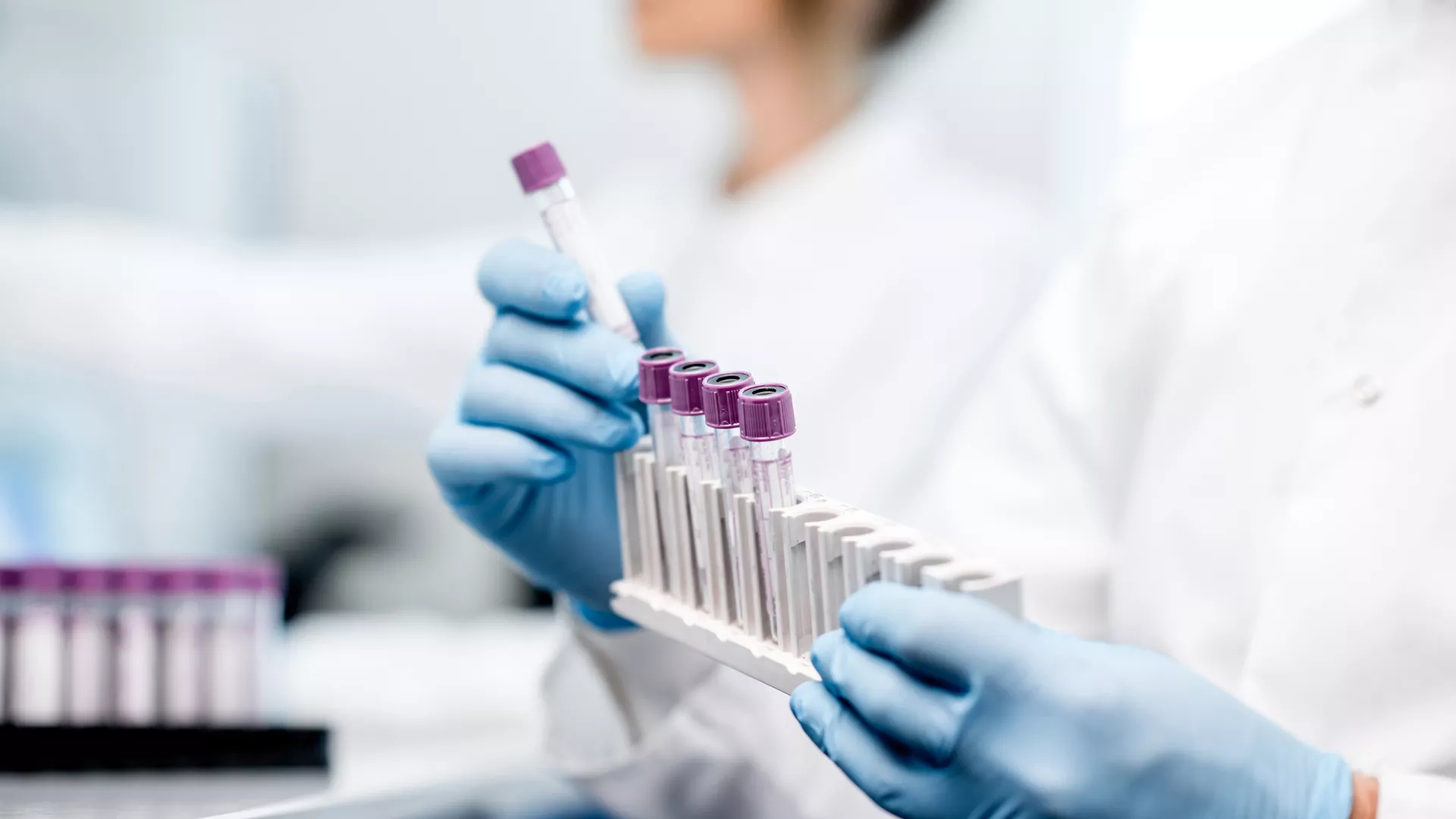
Monsoon Season: Tips to Prevent Foot Ulcers
High humidity and moisture in the monsoon season create a breeding ground for bacteria. Diabetics face slower wound healing and faster infection spread.
To protect your feet:
- Keep feet clean and dry
- Avoid walking barefoot
- Change socks if wet
- Inspect feet daily for cuts or blisters
- See your podiatrist regularly
These small steps reduce risk of ulcers and serious complications.
Advanced Therapies: Inhaled Insulin and Tiny Implants
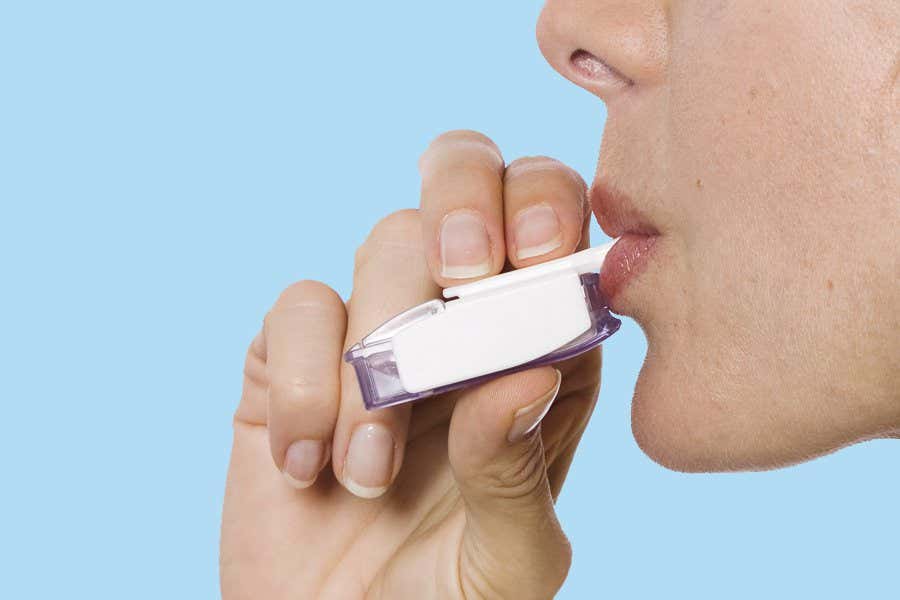
Afrezza, an inhaled insulin, showed equal blood sugar control to injections in children aged 4–17 over a 26-week trial. Some experienced mild cough, which eased over time. Afrezza may suit kids who dislike needles or forget mealtime insulin. (MannKind plans US approval filing.)
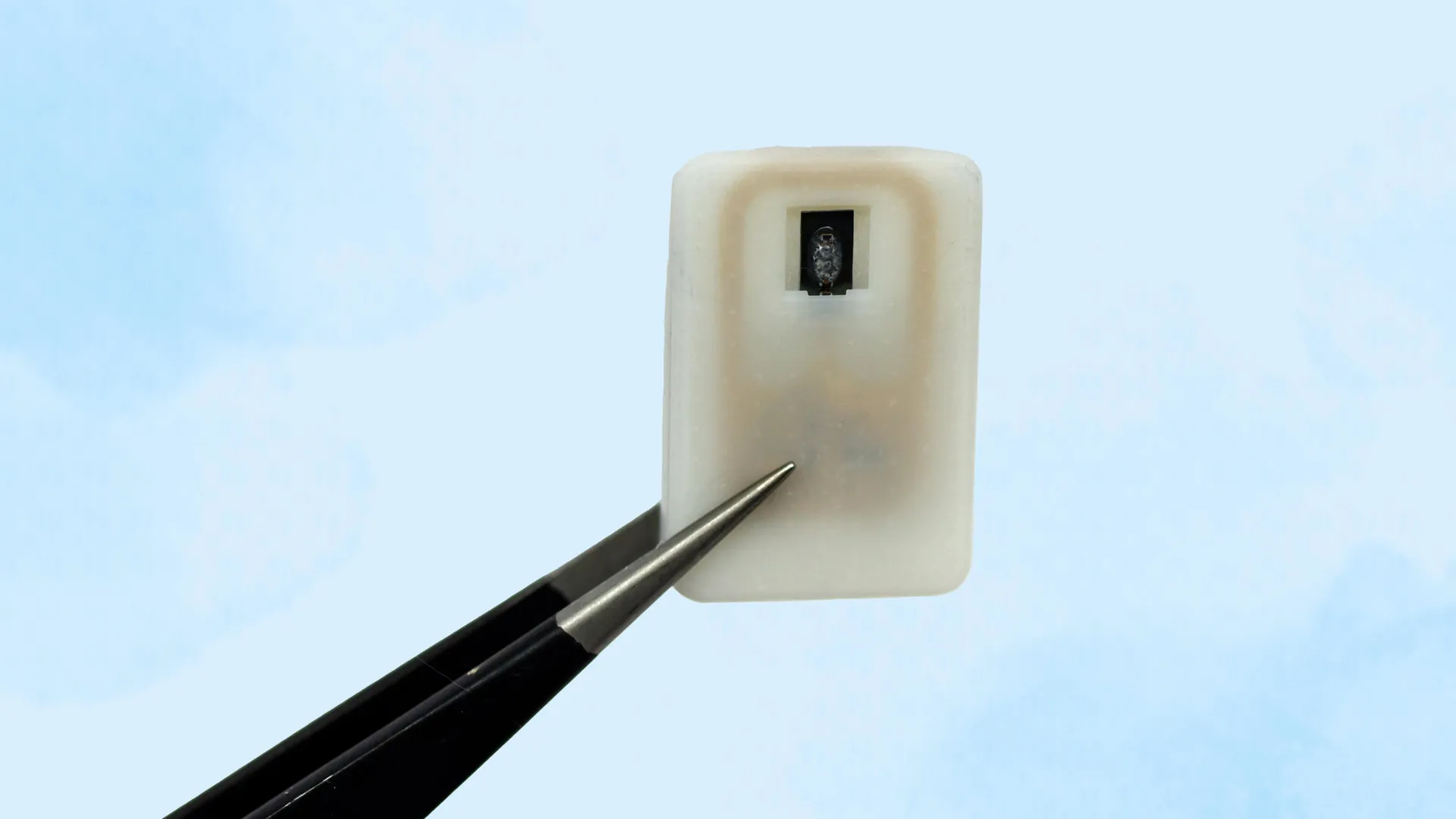
MIT engineers developed a quarter-sized implant that holds glucagon to stop hypoglycemia. It wirelessly triggers when blood sugar drops too low. In diabetic mice, it safely released glucagon to reverse crashes. Future versions may last years and include epinephrine doses.
New Research in Arterial Health and Kidney Disease
Glyoxalase-1 overexpression in diabetic mice reduced arterial stiffening. It did this by lowering toxic methylglyoxal and protecting collagen structure. Targeting MGO offers a route to prevent heart disease in diabetes.
Traditional Chinese formula WYJDTLF improved kidney and liver function in db/db diabetic mice. It regulated JAML/SIRT1 signaling to reduce lipid buildup and inflammation. This points to new therapies for diabetic kidney disease.
Ultra-Sensitive Diabetic Retinopathy Detection
A nanoenzymatic SERS platform detects diabetic retinopathy biomarkers in 14 minutes with a 0.11 pg/mL detection limit. Using DNA-modified Au@Pd nanorods, it promises faster, more accurate eye disease screening.

Dietary Habits and Glycemic Control
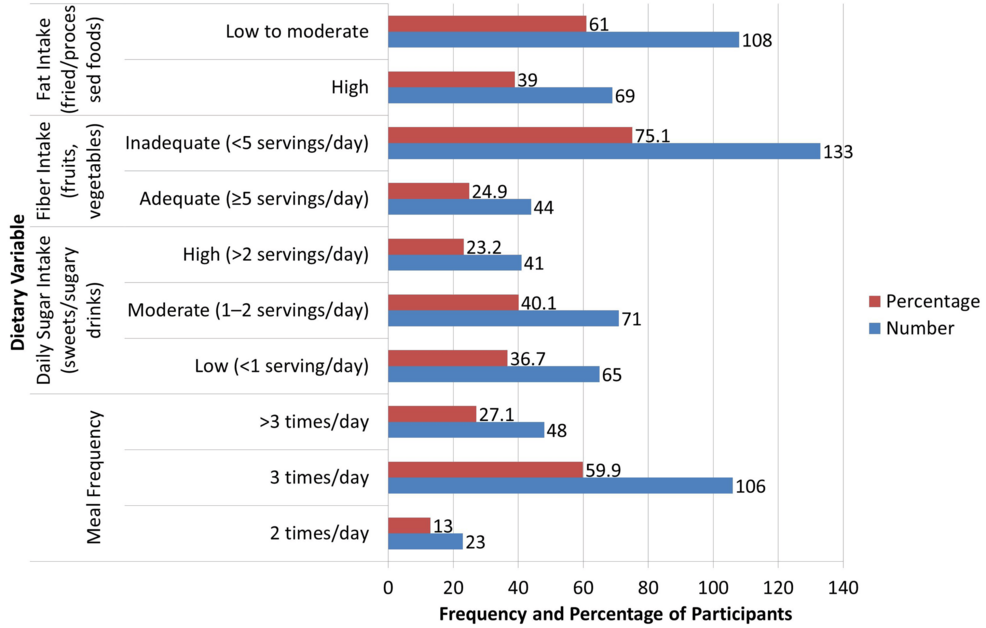
A study of 150 type 2 diabetic patients found high-carb diets linked to poor A1C. High-protein and high-fiber diets improved blood sugar. Regular exercise also boosted control. A balanced meal plan remains vital for diabetes management.
Empowerment Through Representation: Barbie with Type 1 Diabetes
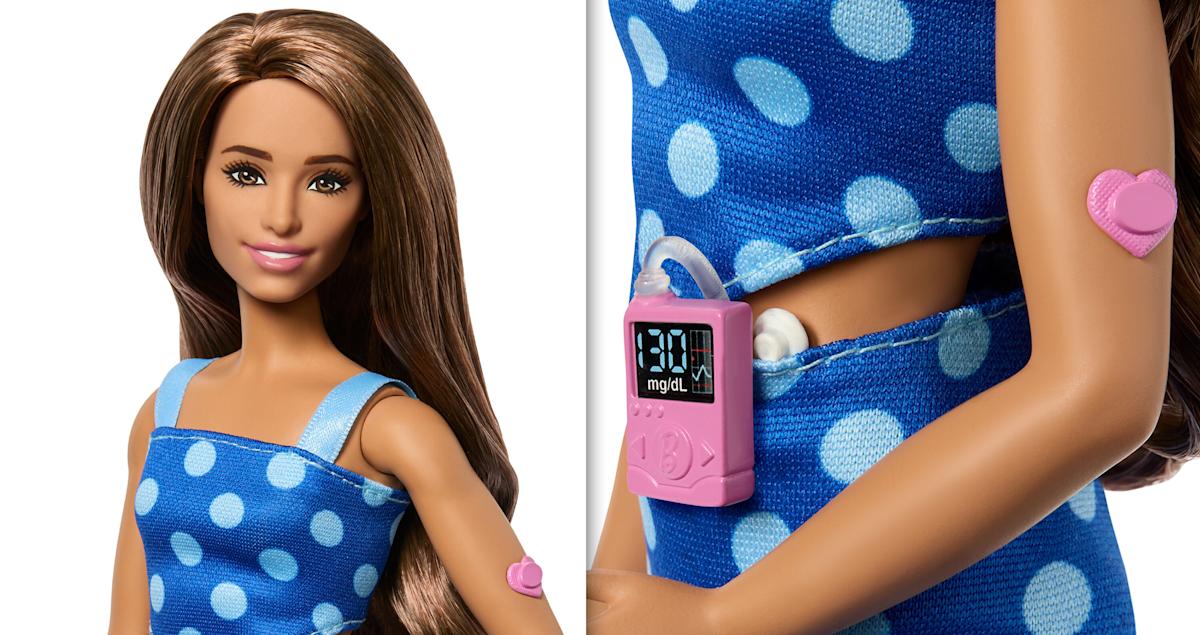
Mattel’s new Barbie features a CGM and insulin pump. Priced at $10.99, it joins a line of Fashionistas dolls with diverse health stories. Parents can use it to teach kids about chronic illness, normalizing self-care and empathy.
Playing with this doll can reduce diabetes distress in children and help them feel seen.
FAQ – People Also Ask
How does a diabetes emergency declaration help?
It mobilizes funding, public messaging and resources for prevention programs and hospital support in high-risk areas.
Can inhaled insulin replace injections for kids?
Studies show inhaled insulin works as well for some children, offering a needle-free option and faster action.
What precautions should diabetics take during monsoon?
Keep feet clean/dry, avoid barefoot walking, change wet socks and inspect feet daily to prevent ulcers.
Why is early detection of type 2 diabetes important?
Early screening allows lifestyle changes and treatments that can delay or prevent disease progression.
How can I sell unused diabetic supplies for cash?
Visit DiabeticSupplies.Online to mail in unused test strips, pumps and more. Get top dollar fast.
Have unused diabetic test strips, glucometers or insulin pumps? Don’t let them go to waste. Sell your diabetic supplies for cash with DiabeticSupplies.Online today.