Diabetes care is changing fast. New drugs, devices, and research are reshaping treatment and monitoring. From a daily pill that spares muscle to stem cell therapies that edge toward a cure, today’s news brings hope. Here’s what you need to know.
Market Trends and Pipeline Insights
The global market for diabetic eye complications is growing. Diabetic Macular Edema (DME) and diabetic retinopathy drive much of this rise. Major players like Novartis AG, Regeneron Pharmaceuticals, and Genentech dominate the DME space. They are racing to develop anti-VEGF agents, corticosteroids, and even gene therapies.
According to openpr.com, new regulatory approvals are expected soon. These will boost advanced diabetic supplies and expand treatment options for patients.

Meanwhile, the diabetic retinopathy market is set to surge by 2025. Abbott Laboratories, Alimera Science, and Allergan plc are leading innovation on imaging technologies and minimally invasive procedures (openpr.com). Better diagnostics mean earlier detection and improved vision outcomes.
In Europe, digital health integration and regulatory reforms drive an 8.0% CAGR for diabetes devices and therapeutics, reaching $23.78 billion by 2025 (globenewswire.com). Remote monitoring and localized solutions will reshape the diabetic suppliers near me landscape and boost demand for diabetic testing supplies.
New Therapies on the Horizon
Exciting drug candidates and cell therapies are in trials. A new oral pill from Sweden may treat type 2 diabetes and obesity without muscle loss. It targets a beta-2 molecule to activate muscle metabolism. In a phase 1 trial, healthy volunteers and those with type 2 diabetes took 2.5 mg daily. They tolerated it well, with stable heart rate and blood pressure (medicalnewstoday.com).
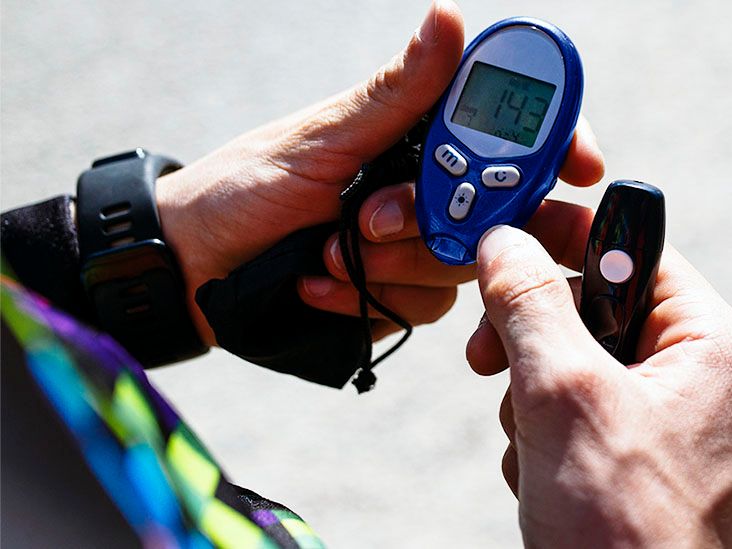
This pill stands out from GLP-1 agonists. Those can cut lean muscle mass by up to 60%. A muscle-friendly option could improve strength and mobility for people with diabetes.
Stem cell therapies are also making headlines. Vertex Pharmaceuticals reported that 10 of 12 type 1 diabetes patients became insulin independent after a single infusion of zimislecel. This stem-cell-derived islet cell therapy restored insulin production and stable blood sugar levels (drugdiscoverynews.com). Zimislecel is now moving into Phase 3, with a regulatory filing expected by 2026.
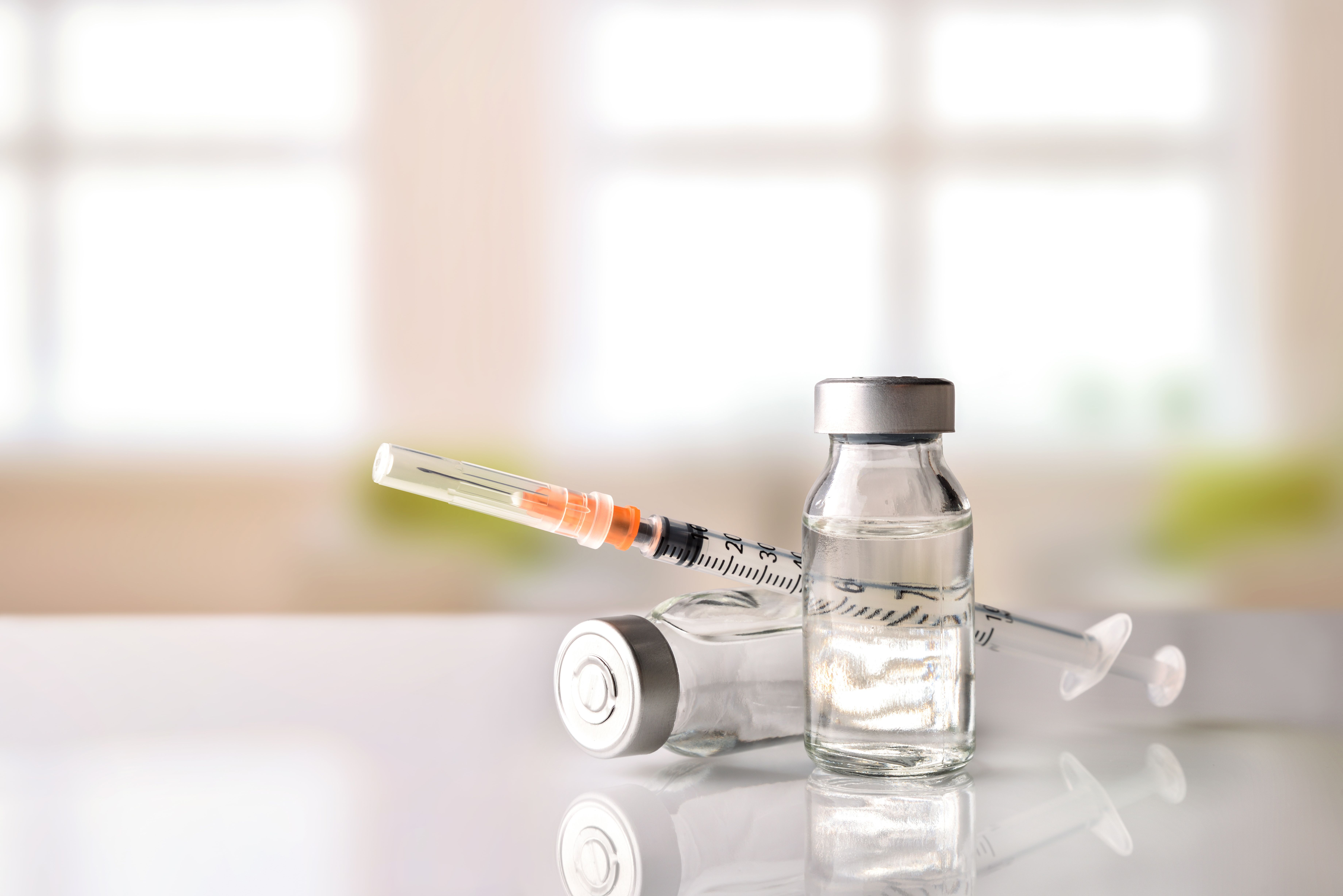
Another trial, VX-880-101 FORWARD, showed similar gains. Ten of 12 participants stopped needing insulin within six months. No severe hypoglycemia occurred (pharmacytimes.com). These results could redefine insulin therapy.
On top of cell therapies, gene therapy programs for DME and retinopathy are in the works. Companies aim to boost efficacy and safety of existing treatments. Patients may soon choose from a wider array of diabetic medical supplies and advanced diabetic supplies tailored to their needs.
Lifestyle and Diet Updates
What you eat and drink still matters. A recent study of 81 women with type 2 diabetes found that swapping diet soda for water led to more weight loss and higher remission rates. Water drinkers lost 15 lbs on average; soda drinkers lost 10.6 lbs. Ninety percent of water drinkers reached diabetes remission, versus 45% of those who kept sipping diet soda (everydayhealth.com).
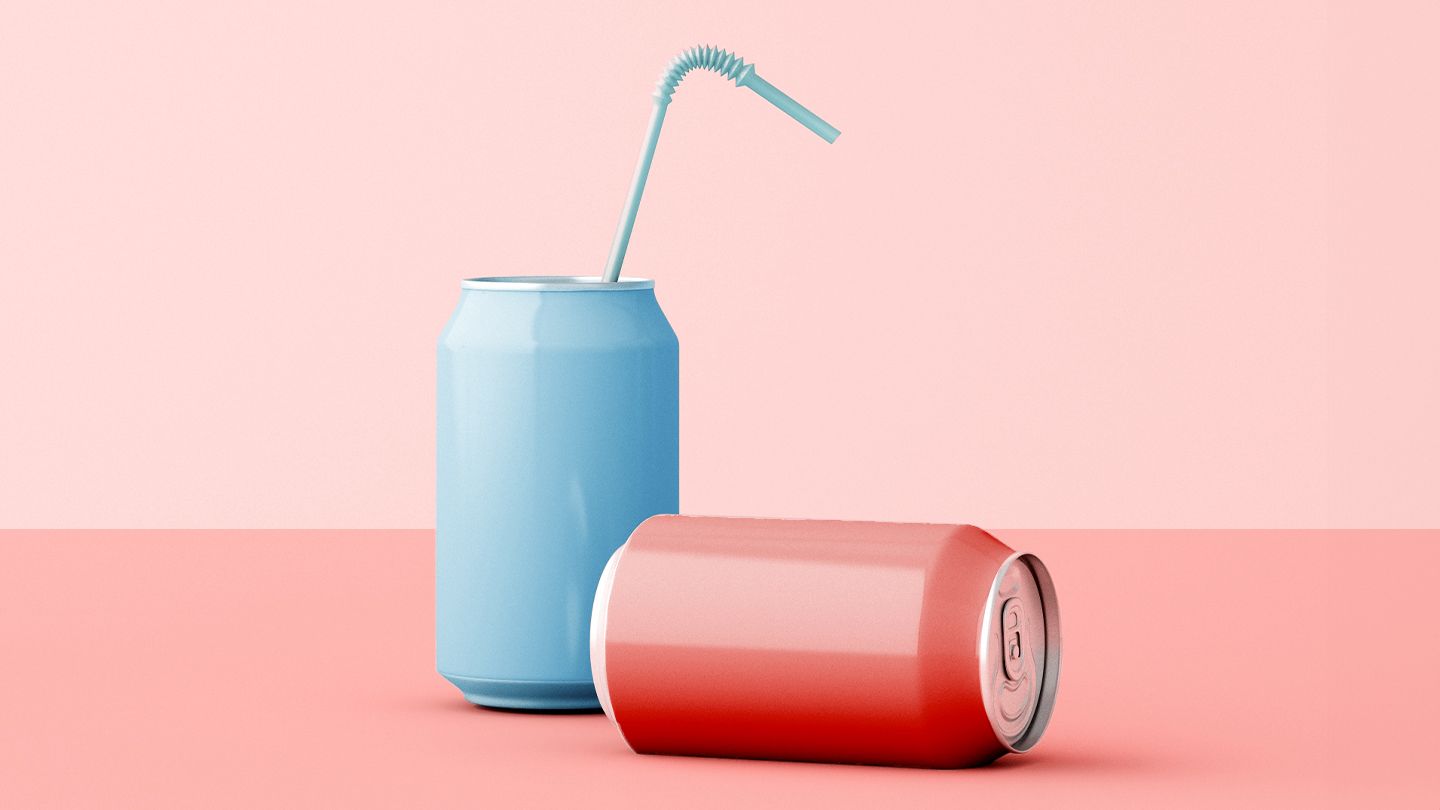
Experts say artificial sweeteners may disrupt appetite regulation and lead to cravings. They suggest switching to water, tea, herbal teas, or seltzers.
In another feeding study, a low-sodium DASH diet cut blood pressure in adults with type 2 diabetes. Johns Hopkins researchers saw a 4.6 mm Hg drop in systolic BP and 2.3 mm Hg drop in diastolic BP (healio.com). Lower BP can reduce stroke risk by 14% and heart failure by 8%. A DASH diet with lower salt intake may be a simple change to improve cardiovascular health.
Innovations in Monitoring Devices
Testing blood sugar may soon be less invasive. A new breathalyzer analyzes chemical markers to estimate glucose levels in breath. Early trials show promise in non-invasive blood sugar monitoring (cloudwaysapps.com).

This could complement finger-prick tests and CGMs. Imagine checking your blood sugar by breathing into a device instead of puncturing skin.
Another tool, DPNCheck®, uses nerve conduction to predict diabetic retinopathy stages. In a study of 146 patients, it showed strong links between neuropathy severity and eye disease stage. An eMBC value above 1.51 signaled advanced retinopathy needing urgent referral (frontiersin.org).
These devices could enhance early detection and timely treatment. For many, remote monitoring tools reduce clinic visits and offer peace of mind.
Patient Insights and Research Highlights
Understanding real-world challenges matters. Uncontrolled diabetes can make blood “sticky.” High sugar levels thicken blood, raise clot risk, and slow circulation. This can silently increase heart attack and stroke risk (indianexpress.com).
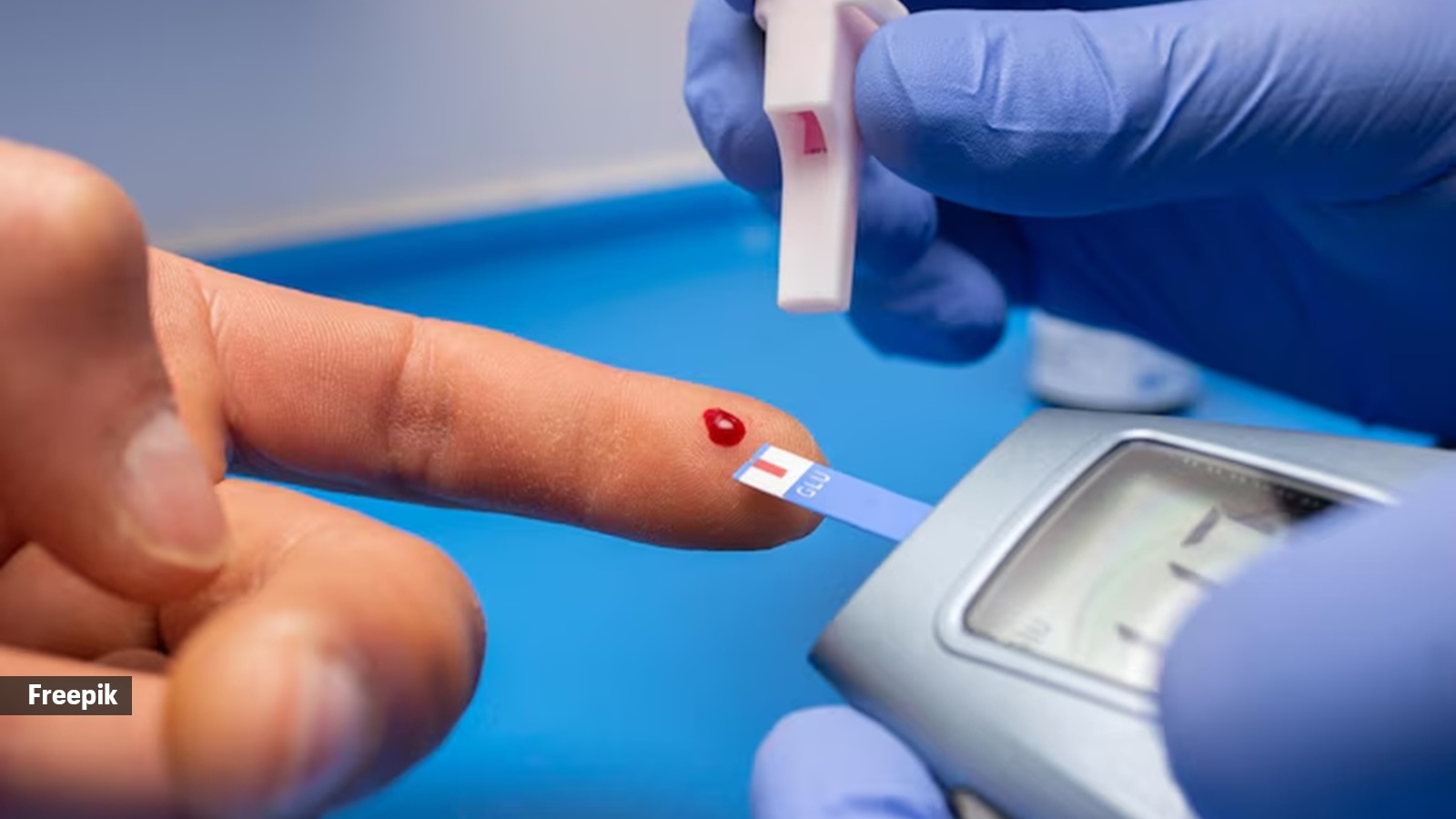
Stay hydrated, monitor glucose closely, and exercise to improve blood flow. Testing fibrinogen and hematocrit can guide personalized care.
Simple exercises matter too. A man found calf raises helped him lower sugar spikes. By boosting blood flow to muscles, this move improved his glucose control. Always check with your doctor before starting new workouts (timesofindia.indiatimes.com).
Self-efficacy also plays a role. In Oman, researchers found that low confidence in managing diabetes links to poorer glycemic control. Patients with other health conditions often show better control, possibly because they stay vigilant. Education and support can boost self-care and A1C outcomes (frontiersin.org).
On the research front, the Nrf2 signaling pathway may be a key target in diabetic cardiomyopathy. Traditional Chinese medicine compounds aimed at Nrf2 show promise in reducing inflammation and fibrosis in the diabetic heart (frontiersin.org).
Finally, athlete Logan Brown shows resilience on and off the field. Diagnosed with type 1 diabetes at age 12, he now aims for the NFL. His story reminds us that with discipline and support, people with diabetes can reach big goals (vikings.com).
FAQ – People Also Ask
How can I sell my unused diabetic supplies for cash?
You can sell unused diabetic supplies online to companies like DiabeticSupplies.Online. They buy test strips, insulin pumps, and other supplies by mail. Get a quote, ship your items, and earn money instead of letting supplies go to waste.
What is the new oral diabetes drug and how does it work?
The new oral drug targets a beta-2 molecule in muscle. It boosts metabolism without reducing muscle mass. Early trials show good tolerance and stable vital signs. Larger phase 2 studies will reveal its full benefits.
Will stem cell therapies replace insulin injections?
Stem-cell-derived islet cell therapies like zimislecel have helped patients achieve insulin independence. While they show promise, they are still in clinical trials. Insulin therapy remains essential until these treatments receive full approval and wider access.
Can a breathalyzer replace finger-prick tests?
Breathalyzer devices show potential for non-invasive blood sugar monitoring. They analyze markers in breath to estimate glucose. More validation is needed before they can fully replace traditional meters or CGMs.
How does the DASH diet help manage blood sugar?
The DASH diet with lower sodium reduces blood pressure significantly. Lower blood pressure cuts cardiovascular risks tied to diabetes. It also encourages fruits, vegetables, and whole grains, which help stabilize blood sugar.
Have extra diabetic supplies collecting dust? Turn them into cash today. Visit DiabeticSupplies.Online to get paid for your unused test strips, pumps, and other diabetic testing supplies. It’s quick, easy, and helps keep supplies in use.