Diabetes care is changing fast. New tech, stronger drug combos and non-invasive devices are improving safety and quality of life for millions. From digital twins that let you test insulin settings in a simulation to combo therapies that cut kidney damage by half, today’s news is packed with hope and real solutions.
Technology Innovations in Insulin Delivery
A team at the University of Virginia has built an interactive artificial pancreas using Adaptive Biobehavioral Control (ABC) technology. This system adapts every two weeks to your body. It also gives you a “digital twin” simulation to test changes safely. In a six-month study, time in target range rose from 72% to 77%. Average A1C fell from 6.8% to 6.6%. The digital twin lets you try new settings before applying them.
Source: UVA Health

Meanwhile, researchers at Western Sydney University introduced an AI tool called DRS4C. It uses microRNA data to score your risk of type 1 diabetes and predict treatment response. The model analyzed nearly 6,000 samples worldwide. It can forecast who might remain insulin-free after therapy. It also predicts early success with treatments like islet transplants. Early detection through AI could mean faster, more personalized care.
Source: Medical Device Network
Another AI breakthrough mirrors this, using algorithms to predict type 1 diabetes risk and treatment outcomes. Combined, these tools point to a future of tailored insulin therapy and early intervention.
Non-Invasive Monitoring Breakthroughs
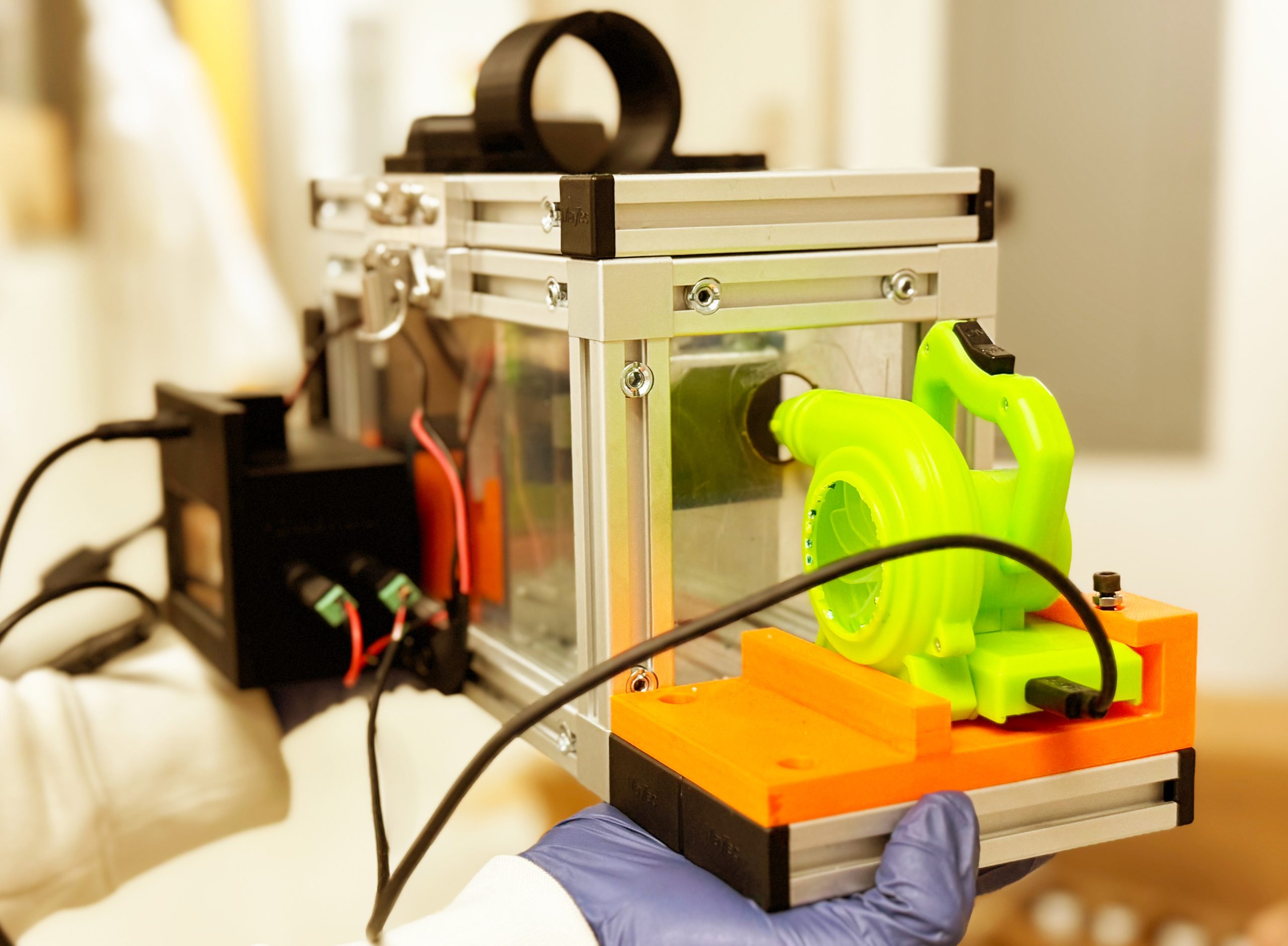
A group at the University of Chicago built ABLE, a portable device that detects health markers in breath. It moistens and cools air to capture molecules in droplets. Researchers have already tested it on glucose in breath, airborne bacteria and inflammation markers. No more needles for some tests. The team aims to miniaturize ABLE into a wearable. It could track chronic conditions and spot hospital pathogens.
Source: SciTechDaily
At the same time, continuous glucose monitors (CGMs) are under the microscope. Some studies show CGM-based diets help lower blood sugar. Others found no extra weight loss over a standard diet. Yet CGMs still offer real-time feedback that can guide food choices and fight spikes. They may not be magic, but they’re a powerful tool when used right.
Source: WFDD
Drug Advances: Combo Therapies and New Targets
Chronic kidney disease is a major worry for type 2 diabetics. A trial in the New England Journal of Medicine tested finerenone plus empagliflozin. After six months, the combo cut urinary albumin by 52%. That beats 29% with finerenone alone and 32% with empagliflozin alone. The combo works by lowering inflammation and blood sugar. Early use could change how we guard kidneys in diabetes.
Source: Wyoming News Now
In heart health news, an affordable over-the-counter supplement showed early promise to prevent heart failure in type 2 diabetes. Results came from a British Cardiovascular Society conference. If verified, this could offer a simple tool to protect millions at risk.
Source: Cloudways Apps
SGLT2 inhibitors may also cut the risk of atrial fibrillation by keeping blood sugar stable. A study in Diabetes, Obesity and Metabolism found reduced AF rates in T2D patients on these drugs. This benefit may add to their heart-protective profile.
Source: Medscape
Improving Hospital Care and Access
The ADA and The Leapfrog Group honored three New Jersey hospitals for top diabetes care. Hackensack Meridian Hackensack University, Jersey Shore University and Shore Medical Center earned awards. They used strict glucose testing, hypoglycemia protocols and solid discharge plans. This model could guide hospitals nationwide to boost safety and quality.
Source: NJBIZ
Meanwhile, the FDA in the Philippines added 10 diabetes meds to its VAT-free list. That includes two new diabetes drugs. Removing extra tax makes treatments more affordable and helps stretch healthcare budgets.
Source: GMA Network
Global Challenges: Gaza’s Supply Shortage
In Gaza, parents of diabetic children face an acute test supply shortage. With border closures and delays, many are forced to guess blood sugar. This crisis highlights the urgent need for safe, reliable insulin testing supplies in conflict zones.
Source: Haaretz

Devices and Market Moves for Diabetic Ulcers
Portage Biotech invested $5 million to take a 27.4% stake in Compedica to target the $4 billion diabetic ulcer market. Their OptiPulse device could cut costs and improve healing. Final trial data is due Q4 2025, with sales expected in H1 2026.
Source: StockTitan

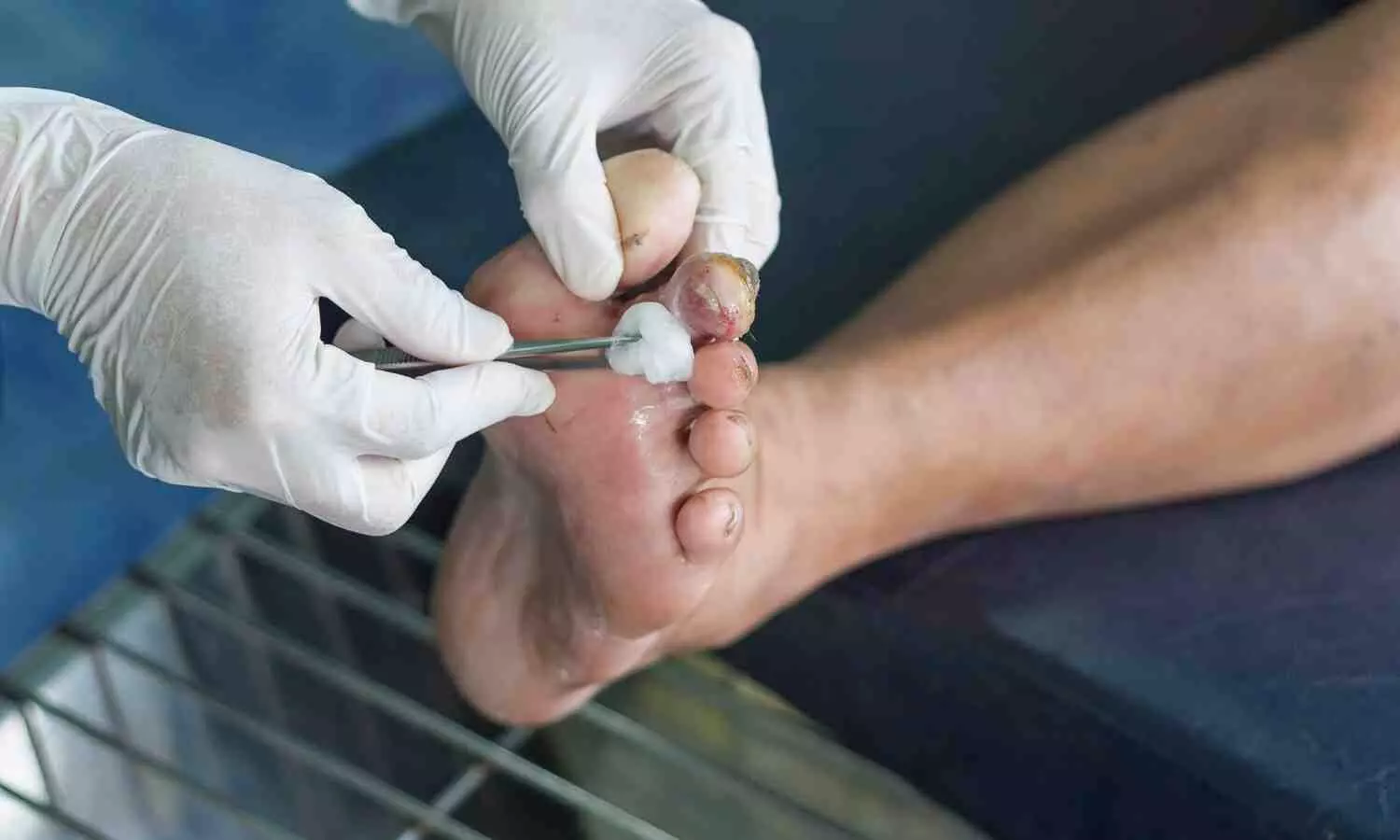
On the wound-care front, immune-regulating hydrogels are top performers for healing diabetic foot ulcers. A meta-analysis of 23 trials gave them an efficacy score of 2.2, beating antibacterial and other hydrogels. Adverse events were low. This guides doctors toward the best hydrogel choice.
Source: Medical Dialogues
Marketing Moves: Omnipod 5 Campaigns
Insulet teamed with Raindrop to launch a humorous, honest campaign for Omnipod 5. A three-minute video shows real users sharing how the tubeless pump simplifies daily life. Cutdowns will run on YouTube and Meta. The goal: make insulin pumps relatable and fun.
Sources: LBBOnline, CityBiz

Practical Patient Tips and Warnings
A warning story from Times Now News shows how tight shoes led to partial foot amputation in a diabetic man. Nerve damage hides pressure sores. The article stresses regular foot checks, wearing roomy shoes and seeking help quickly.
Source: Times Now

Nutrition and Lifestyle for Better Control
High-protein foods can boost insulin production and support symptom control. Experts recommend Greek yogurt, pistachios, shellfish, soy and beans. These foods have protein, fiber and micronutrients that steady blood sugar and help muscle health.
Source: The Health Site
Community and Support
The Tour de Cure in Finger Lakes brought 350 cyclists together to raise funds and awareness for diabetes. Hosted by the ADA, the event supports research and local programs. Community events like these power progress and hope.

Looking Ahead: Spin-Offs and Posters
Medtronic plans to spin off its diabetes division into a public company. The new entity will focus on insulin delivery and Smart MDI. CEO Que Dallara will lead the firm, which aims to drive growth in diabetes tech.
Source: Healthcare Tech Report
At the ADA Scientific Sessions in Chicago, Ascletis will present posters on ASC30 and ASC47. ASC30 is an oral GLP-1 agonist, while ASC47 targets fat tissue for weight loss. Early data look promising for both.
Source: Yahoo Finance
FAQ – People Also Ask
What is a digital twin in diabetes management?
A digital twin is a virtual model of your insulin delivery system. It lets you test changes in a safe simulation before applying them to your own artificial pancreas. This helps you find the best settings without risk.
How do SGLT2 inhibitors reduce heart risks in type 2 diabetes?
SGLT2 inhibitors help lower blood sugar by preventing glucose reabsorption in the kidneys. Studies show they also cut the risk of atrial fibrillation and heart failure, adding a cardiovascular benefit.
Are immune-regulating hydrogels safe for diabetic foot ulcers?
Yes. A meta-analysis gave these hydrogels high efficacy scores and found low rates of side effects. They work by modulating the immune response to speed healing.
Can non-invasive breath devices replace blood tests?
Devices like ABLE show promise in detecting molecules in breath, including glucose. They are still under development but may one day reduce the need for needles in monitoring chronic conditions.
Where can I sell my unused diabetic supplies?
If you have extra test strips, pumps or CGM sensors, consider mailing them to DiabeticSupplies.Online. You get cash and help others access affordable supplies.
Ready to turn unused supplies into cash? Visit DiabeticSupplies.Online to sell your extra diabetic test strips, insulin pumps and CGM sensors by mail. It’s easy, safe and fast.