Every day brings new hope for people living with diabetes. Today we look at tech partnerships, smart sensors, drug advances, diet research, and community programs. You’ll find insights on insulin delivery, continuous glucose monitoring, AI-driven systems, and even stem cell research. Plus, tips to prevent diabetes and manage complications.
Read on for 12 top stories that matter to you.
Revolutionary Tech Integrations
Tandem Diabetes Care and Abbott are teaming up to merge insulin delivery with the first dual glucose-ketone sensor. This integration aims to detect early ketone rises, helping avoid life-threatening diabetic ketoacidosis.
The Abbott sensor is still in development. When paired with Tandem’s insulin pumps, it could alert you to act faster to protect your health.

The Omnipod 5 App for iPhone is now available in the US App Store. It integrates the Dexcom G7 Continuous Glucose Monitoring System directly into your phone. No extra receiver needed.
With the app, you can bolus, change a Pod, adjust settings, and see real-time glucose trends—all from one screen. This streamlines your diabetes tech and fits right in your pocket.

At the University of Virginia, researchers developed an adaptive bio-behavioral control (ABC) artificial pancreas. It uses “digital twin” tech to mimic your metabolism. In a six-month trial, people with Type 1 diabetes saw time in range rise from 72% to 77%.
ABC lets you test settings in a safe simulation before trying them in real life. This smart system adapts to meals, exercise, and day-to-day changes.
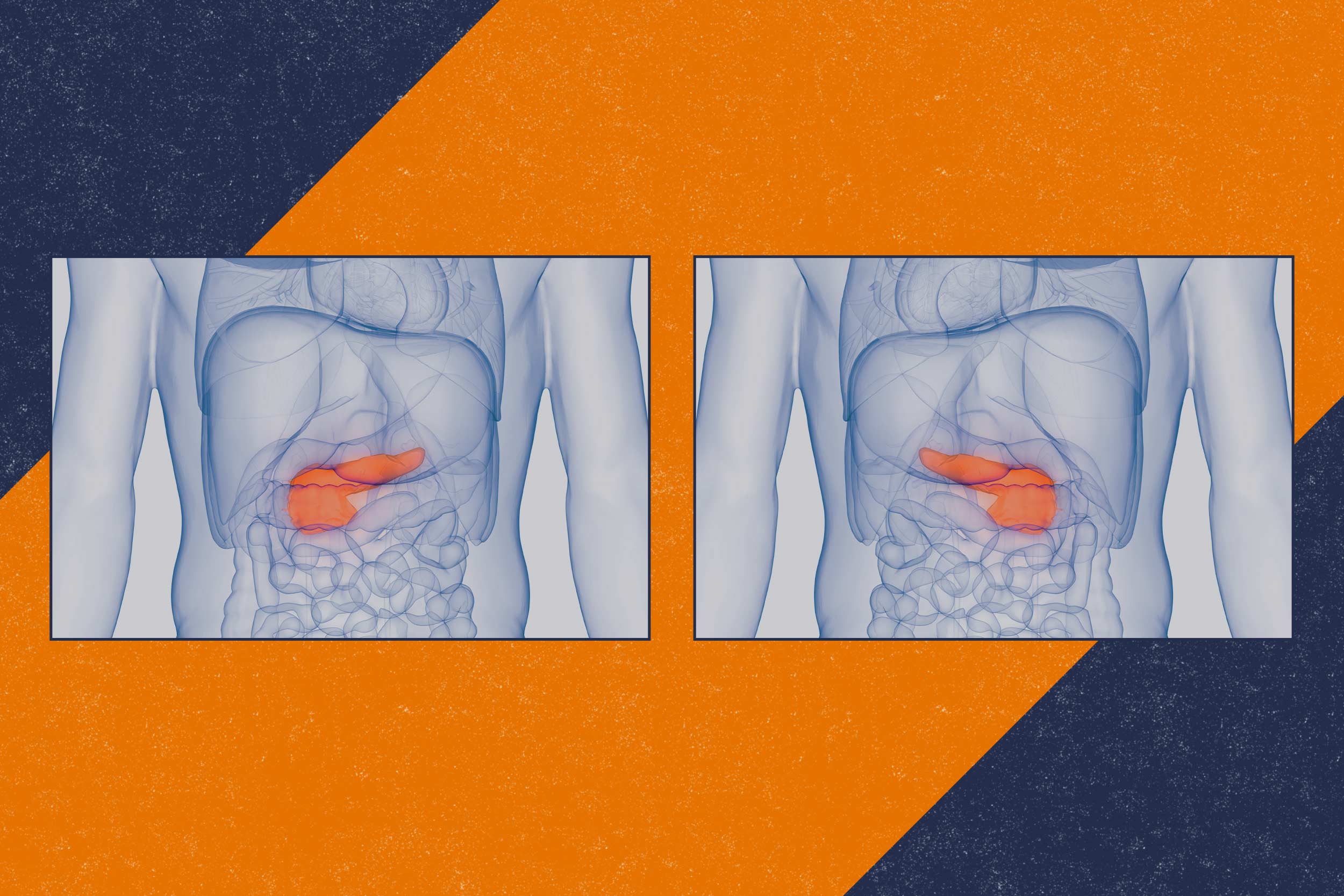
Non-Invasive Monitoring Advances
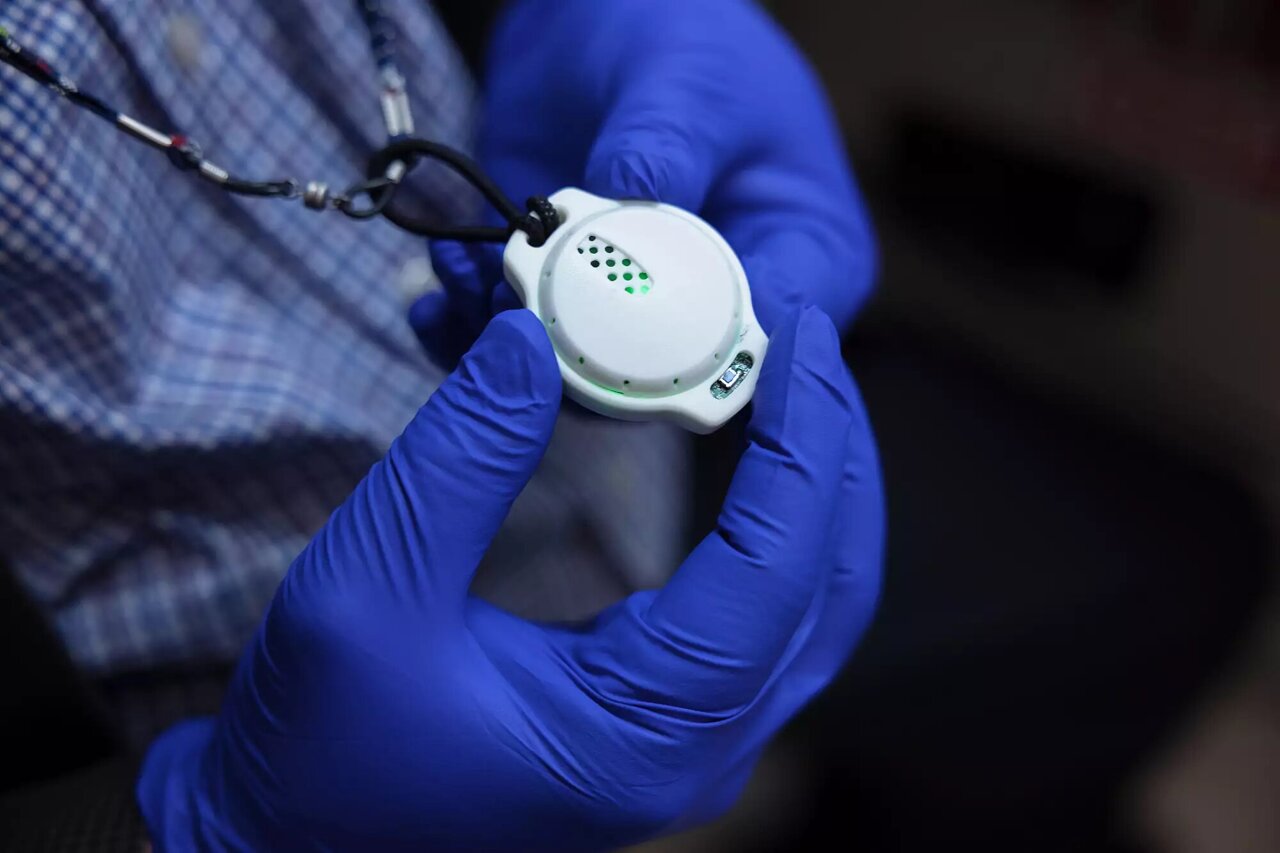
Finger pricks and CGMs have been lifesavers, but a new breathalyzer device called Isaac goes non-invasive. Developed by PreEvnt and Indiana University, it reads breath chemicals linked to blood sugar levels.
A clinical trial is testing its accuracy in people with diabetes. If it works, Isaac could be worn overnight to alert you to nighttime lows without a single finger prick.
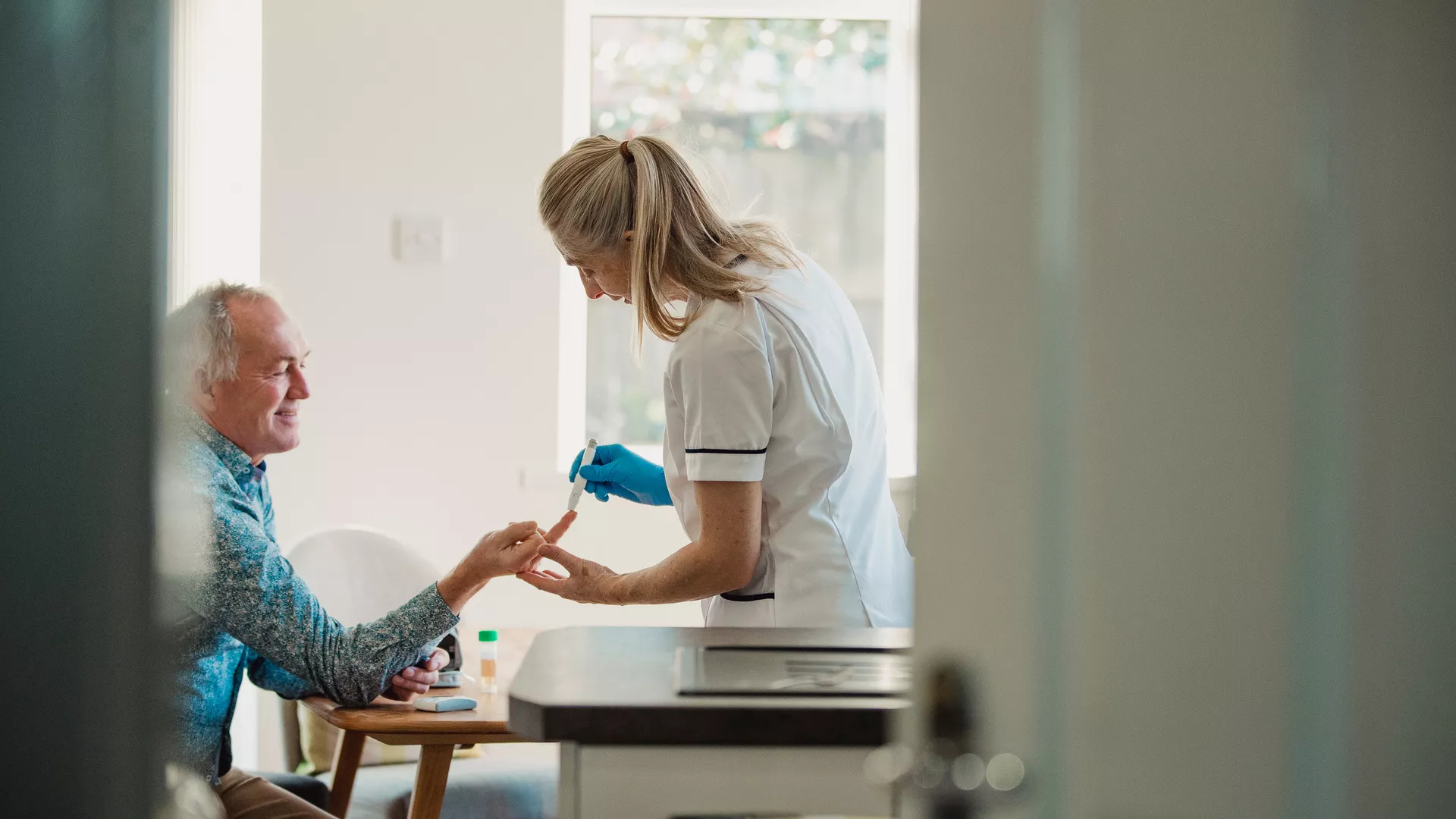
Skin autofluorescence (SAF) is another non-invasive marker. In children with Type 1 diabetes, SAF levels correlate with blood glucose. Researchers found higher SAF in diabetic kids compared to peers.
With a handheld AGE Reader, SAF could help spot early complications and guide more personalized care.
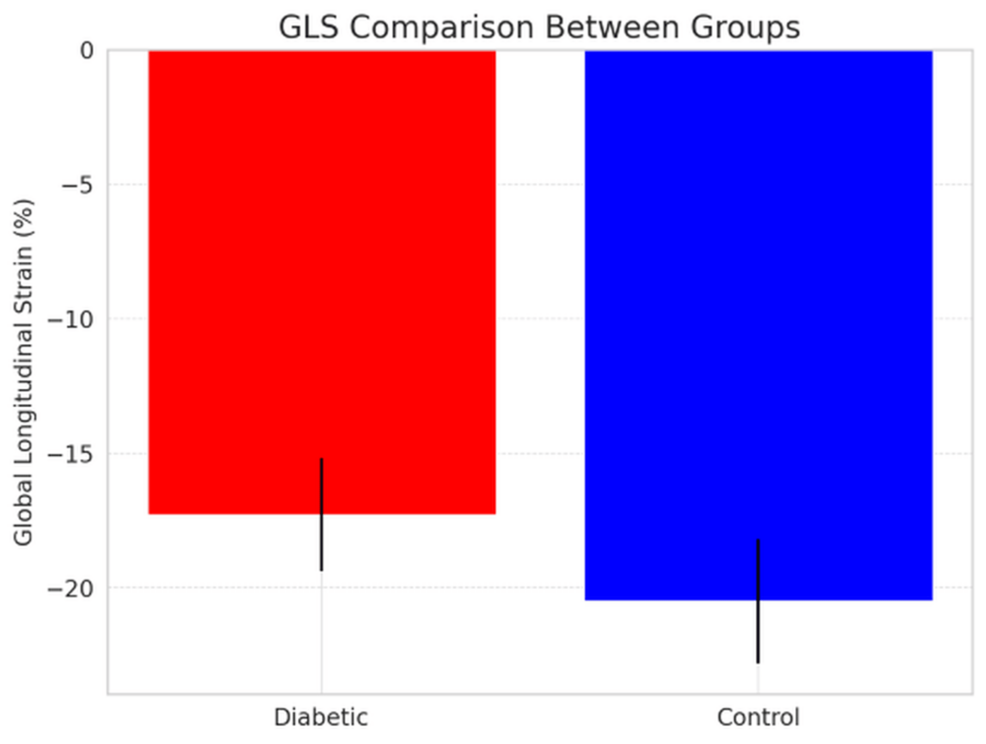
Two-Dimensional Speckle-Tracking Echocardiography (2D-STE) can spot silent heart damage in diabetes. A study of 100 patients found 2D-STE detected subclinical left ventricular dysfunction in 30% of cases—missed by standard echo.
Early detection can guide treatment before heart failure develops.
Emerging Therapies and Research
At ADA 2025, Novo Nordisk will present 29 abstracts on semaglutide and CagriSema. Data will cover higher Wegovy doses, weight loss, cardiometabolic benefits, and kidney health. Amycretin, a new GLP-1/amylin agonist, also debuts in early trials.
These studies push the frontier of obesity and diabetes treatment, offering more options for personalized care.

Doug Melton’s quest for a Type 1 diabetes cure began when his son was diagnosed. He shifted from frogs to stem cells. His team can now grow insulin-producing cells from embryonic stem cells. Clinical trials by Vertex are underway.
This approach aims to restore natural insulin production and reduce the burden of daily injections.

Preventive and Lifestyle Strategies
A plant-rich diet may cut your risk of heart disease by 9% and Type 2 diabetes by 8%. Researchers looked at over 200,000 adults in the US. Those eating more phytosterols (in nuts, veggies, fruit, whole grains) had lower cholesterol absorption and better metabolism.
Incorporate foods like almonds, beans, and spinach to boost your phytosterol intake.

In Wales, a government-backed prevention scheme cut Type 2 progression by 25%. Blood tests identify prediabetes, then participants get personalized support on diet and exercise. The program’s success shows early intervention works—but funding must expand access nationally.
Education and Support in the Community
The Wichita Falls Health Department offers a free six-week diabetes course starting June 10. Topics include medications, diet, and daily activity. Classes run Tuesdays 5:30–7 p.m. at the public library. It’s open to anyone—patients, caregivers, and neighbors.
Local groups like this make it easier to learn healthy habits and build a support network.
On June 12 at Randolph County Senior Center, Vandalia Health Davis Medical Center hosts a free support group. People with Type 1, Type 2, prediabetes, and caregivers can attend. Sessions cover meal planning, recipes, and practical tips.
Sharing stories and advice helps everyone stay motivated.
Becker’s Hospital Review named 51 top diabetes and endocrinology programs. CHOC in California treats over 3,000 patients a year. These centers use cutting-edge diagnostics and therapies for diabetes, thyroid disorders, and rare metabolic diseases.
Find a top center near you for expert care and advanced treatments.
Managing Complications Effectively
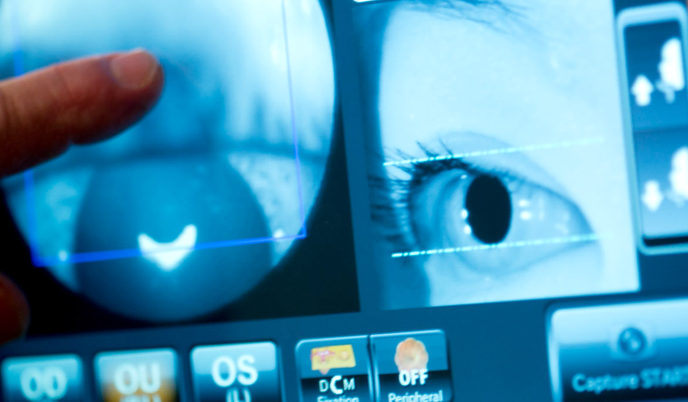
Early eye screening can prevent 90% of diabetic vision loss. Wisconsin’s teleophthalmology program uses retinal cameras at primary care clinics. Over 2,000 patients got timely referrals. Now rural sites nationwide aim to replicate this success.
Ask your doctor about diabetic retinopathy screening at your next visit.
Diabetic foot ulcers often recur. Researchers found transepidermal water loss (TEWL) two weeks after wound closure predicts recurrence at 16 weeks. High TEWL doubled recurrence odds.
Measuring TEWL can guide better wound-care plans and reduce complications.

Many wonder if diabetics can get LASIK. Tersigni Vision says well-controlled patients with stable eye health can be eligible. Pre-op tests assess blood sugar control and ocular health. With modern tech, more diabetics can correct myopia and astigmatism safely.
Always discuss your individual risks with an eye surgeon before booking surgery.

From smart sensors to stem cells, we’re in an exciting era for diabetes care. Whether you use advanced diabetic supplies, continuous glucose monitors, or attend local education classes, these innovations aim to make life easier and healthier.
Got unused diabetic supplies? Turn them into cash! Visit DiabeticSupplies.Online to sell your advanced diabetic supplies, test strips, insulin pump pods, and more. We pay top dollar and ship by mail.
FAQ – People Also Ask
How does the Tandem-Abbott glucose-ketone sensor integration help prevent ketoacidosis?
The dual sensor can measure both glucose and ketones. Early ketone detection alerts users to rising acid levels. This gives time to adjust insulin or seek care before diabetic ketoacidosis develops.
Can I manage Omnipod 5 from my iPhone alone?
Yes. The new app fully integrates Dexcom G7 data. You can bolus, change pods, tweak settings, and view glucose trends on your phone without extra devices.
What lifestyle changes does the Welsh diabetes prevention scheme include?
Participants get personalized advice on diet, exercise, and weight loss. They meet regularly, track blood sugar, and learn skills to reduce progression from prediabetes to Type 2 diabetes.
How accurate is the new breathalyzer device for blood sugar monitoring?
Early trials show good correlation with finger-stick and CGM readings. Final accuracy will be confirmed in ongoing clinical studies, but non-invasive monitoring looks promising.
Where can I sell my unused diabetic test strips and supplies?
You can sell unused diabetic supplies for cash at DiabeticSupplies.Online. We buy test strips, insulin pump pods, CGM sensors, and more through a simple mail-in program.