Diabetes care is moving faster than ever. New devices, drugs, and diet approaches offer hope. If you have diabetes, these updates matter. They help you track, treat, and manage your blood sugar. You can also learn how to turn unused test strips into cash. Let’s dive into today’s top breakthroughs.
Device Innovations: CGMs and Smart Insulin
The market for diabetes devices is booming. Continuous glucose monitoring (CGM) systems are the star. They track glucose in real time. That means no more guessing.
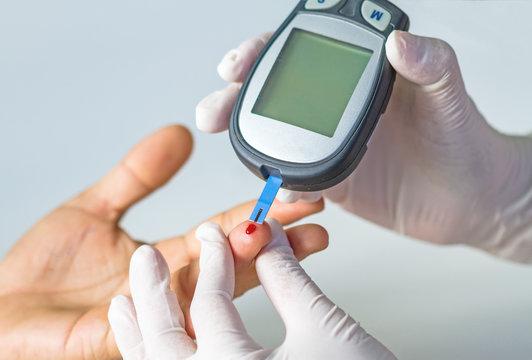
According to openpr.com, major names like F. Hoffmann-La Roche, Abbott Laboratories, and Medtronic are leading the charge. CGMs send data to your phone. You see trends at a glance. You catch highs and lows before they get serious.
Smart insulin tech is on the rise too. These systems adjust dosing based on real-time glucose. No more manual calculations. They aim to reduce errors and cut down on low blood sugar events. Early studies show better treatment adherence and stronger outcomes.
Boosting Healing with Remote CGMs
CGMs aren’t just for tracking. A short-term remote CGM program can speed up wound healing. At the ADA’s 85th Scientific Sessions, researchers presented data on foot wound patients. The CGM group saw a 72% healing rate at 3–6 months, versus 47% in the non-CGM group. Their average A1C dropped to 7.5%, compared to 8.5% in others. Emergency visits and readmissions fell too. This shows even brief CGM use can improve care in safety-net health systems. (conexiant.com)
Nutrition and Lifestyle: Superfoods and Food Prescriptions
What you eat can make a big difference. Two new approaches stand out today.
Jamun Seed Powder: An Underrated Superfood

In traditional medicine, jamun seed powder is prized for blood sugar control. It contains jamboline and jambosine. These compounds slow starch conversion to sugar. They also support liver health and digestion. A teaspoon in warm water daily may help regulate glucose. But don’t overdo it—you risk low blood sugar. Ask your doctor for the right dose. (indianexpress.com)
HealthyFood RX: Food as Medicine
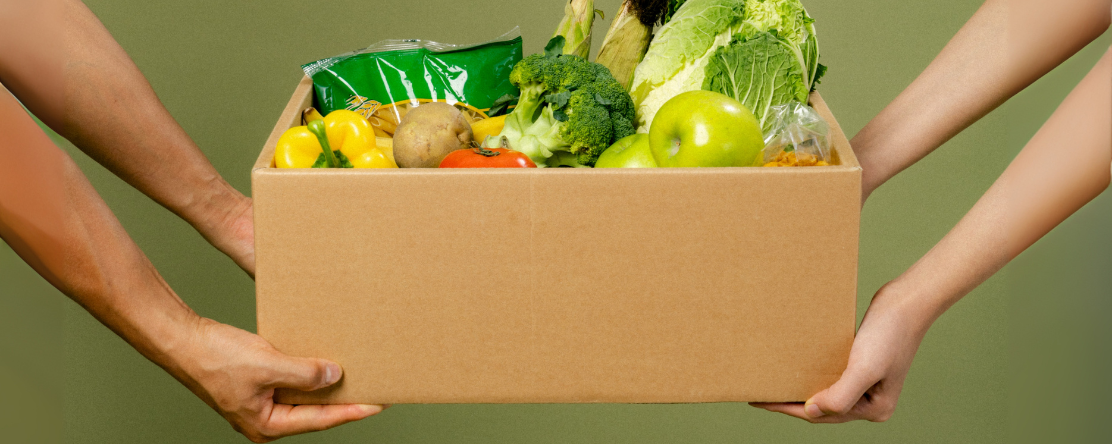
Abbott’s HealthyFood RX program delivers fresh produce boxes and nutrition tips to homes. In Stockton, where 60% face diabetes or prediabetes, participants added nearly half a serving more fruits and vegetables daily. Their self-reported physical health rose by 25%. Over 1,700 people have joined so far. This model shows that healthy food at home can transform outcomes. (phi.org)
Drug Advances: Oral Treatments and Safety Signals
New drugs mean more tools in your arsenal. Two big stories emerged today.
Orforglipron’s Promise
At the ADA meeting, Eli Lilly unveiled Phase 3 data on orforglipron (OFG). The ACHIEVE-1 study showed solid A1C and weight drops. Higher doses delivered better results. Truist Securities kept a “Buy” rating on LLY stock with a $1,038 target. Experts praise OFG’s safety and its oral form. It could be a game-changer for adults who avoid injections. (finance.yahoo.com)
GLP-1 Drugs and Eye Health
GLP-1 receptor agonists like semaglutide help many with type 2 diabetes and obesity. But a new study spotted a slight rise in age-related macular degeneration (AMD) risk among users. The absolute risk remains low. Yet it highlights the need for regular eye checks. Speak with your eye doctor if you use GLP-1 therapies. (Source: internal study)
Research Spotlights: Youth-Onset Risks and Genetics
Diabetes isn’t one-size-fits-all. New research digs into risks and diagnosis tools for different groups.
Youth-Onset Diabetes and Cognitive Decline

Researchers at the LEAD Center studied young people with type 2 diabetes. They found biomarkers tied to brain inflammation and degeneration. These markers rose with age, hinting at faster cognitive decline. The team urges early monitoring and lifestyle steps in childhood. Addressing risk factors early could protect the brain down the road. (news.cuanschutz.edu)
Genetic Risk Score for Better Diagnosis
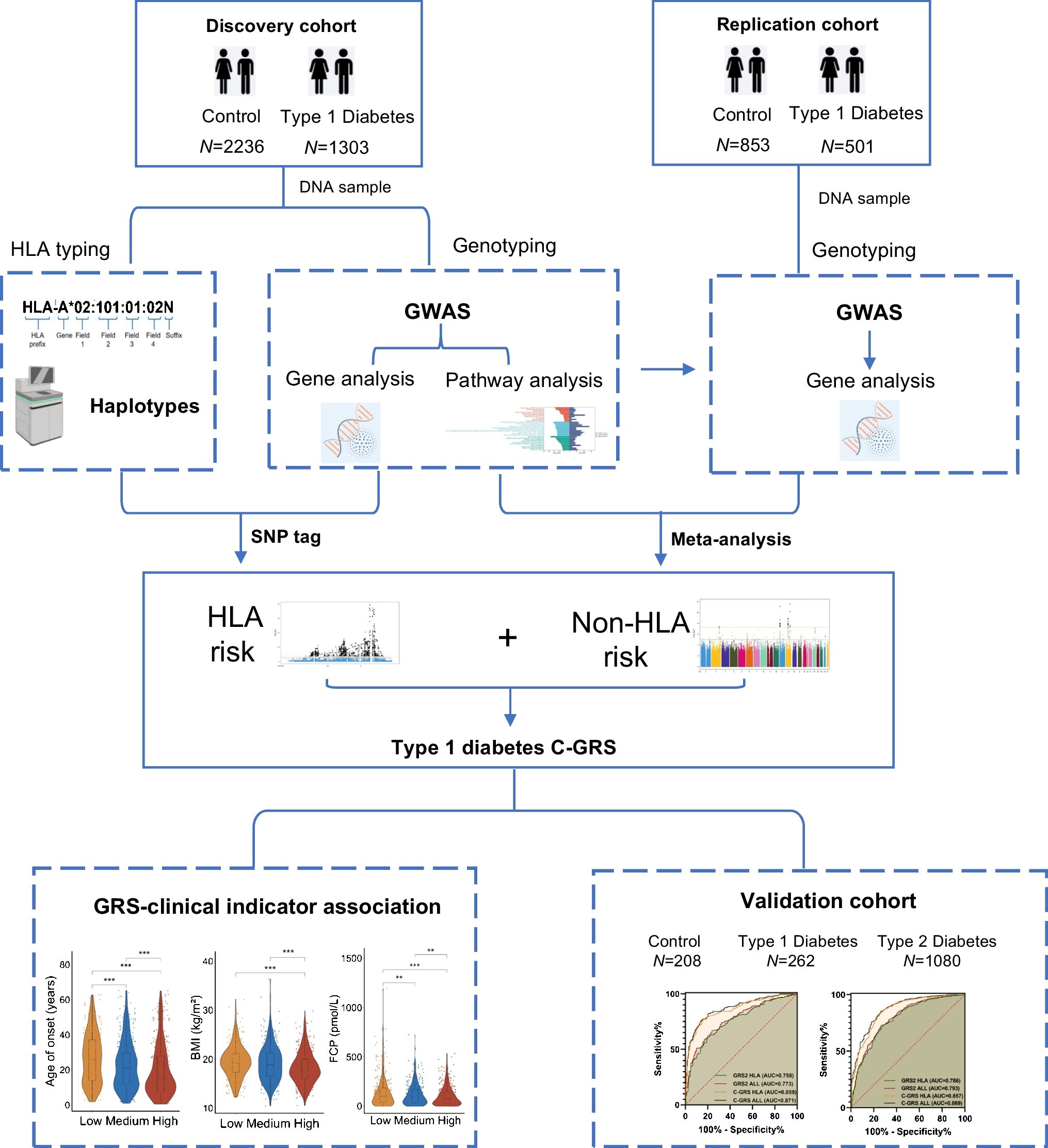
In China, scientists created a genetic risk score to tell type 1 from type 2 diabetes accurately. They used data from over 6,000 patients and controls. Up to 40% of adult-onset type 1 cases get misdiagnosed. A trial of 3,000 new patients is now under way. If successful, genetic testing could become routine at diagnosis. (medicalxpress.com)
Community and Personal Stories
Real stories remind us why diabetes care matters. Two uplifting pieces hit home today.
Berea Family’s Lemonade Stand
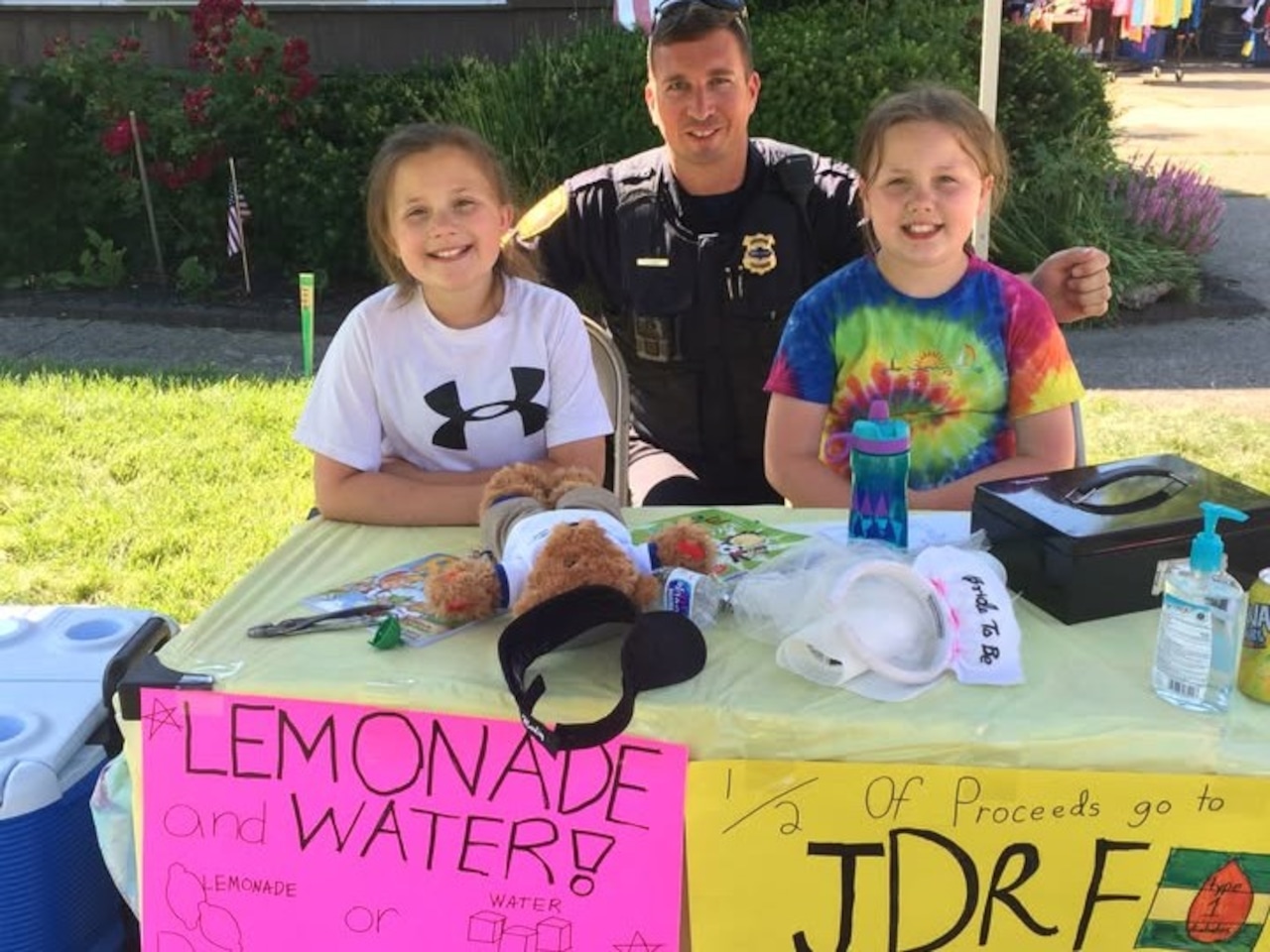
In Berea, Angie Davis and her daughter Molly run an annual lemonade stand for Type 1 diabetes. Molly was diagnosed at 9. The family donates 100% of proceeds to Breakthrough T1D. This year, they raised over $500. Even the local police helped spread the word on Facebook. Angie plans to keep the stand going next summer. Supporting local fundraisers can boost research and community spirit. (cleveland.com)
Weight Loss and Pre-Diabetes Reversal
A man shared how he lost 80 pounds and reversed pre-diabetes. He traveled, embraced fresh food, and set small fitness goals. He now trains for a half-Ironman. His tips: pick one healthy habit, focus on solutions, and celebrate milestones. Stories like his show that change is possible with grit and the right support. (menshealth.com)
Turning Unused Supplies into Cash
Many diabetics have unopened test strips, pump supplies, or CGM sensors at home. Instead of letting them collect dust, you can sell them for cash. Companies like DiabeticSupplies.Online buy unused supplies by mail. It’s safe, fast, and helps reduce medical waste. Learn more about how to get paid for items you no longer need. Keywords like “diabetic supplies for cash” and “sell unused diabetic supplies” can guide you to top buyers.
FAQ – People Also Ask
How do CGMs improve diabetes management?
CGMs track blood sugar in real time. They provide trend data and alerts. This helps you adjust insulin or food intake before levels get dangerous.
Can jamun seed powder really lower blood sugar?
Yes. Jamun seed powder has compounds that slow sugar release. Take one teaspoon with warm water daily. Talk to your doctor before starting.
What is smart insulin technology?
Smart insulin systems link CGMs to pumps. They adjust insulin dosing automatically based on glucose levels. This reduces manual calculations and errors.
How can I sell unused diabetic supplies?
Gather unopened test strips or CGM sensors. Find a reputable mail-in buyer like DiabeticSupplies.Online. Ship your items and get paid by check or PayPal.
Are GLP-1 drugs safe for my eyes?
GLP-1 drugs are effective but may slightly raise AMD risk. Keep up with regular eye exams and report vision changes promptly.