Diabetes care is evolving every day. Today brings both inspiration and innovation. From a new Marvel comic hero with Type 1 diabetes to diet breakthroughs and medical research that could change lives. Read on to learn how these developments affect you and your family.
A Diabetes Superhero in the Marvel Universe
Insulet has teamed up with Marvel to launch a groundbreaking comic book. The hero, Dyasonic, lives with Type 1 diabetes. Her journey follows Omnya, a young woman who struggles with blood sugar swings. She gains confidence when she starts using the Omnipod 5 insulin pump.

The comic aims to break down stigma. Many people with diabetes want to see themselves in stories. But few have. Now fans will learn how technology like Omnipod 5 can improve daily life and quality of care.
Why it matters: Representation builds trust. It shows patients they are not alone. It can also spark conversations about advanced diabetic supplies and insulin pumps. For families managing Type 1 diabetes, this comic is a fresh way to engage kids and teens in their care. (Source: fiercepharma.com)
Modified DASH Diet Brings Blood Pressure Gains
Keeping blood pressure under control is vital for people with diabetes. High blood pressure raises the risk of heart attack and stroke. A new study by Johns Hopkins Medicine tested a modified DASH diet, called DASH4D, in adults with Type 2 diabetes.
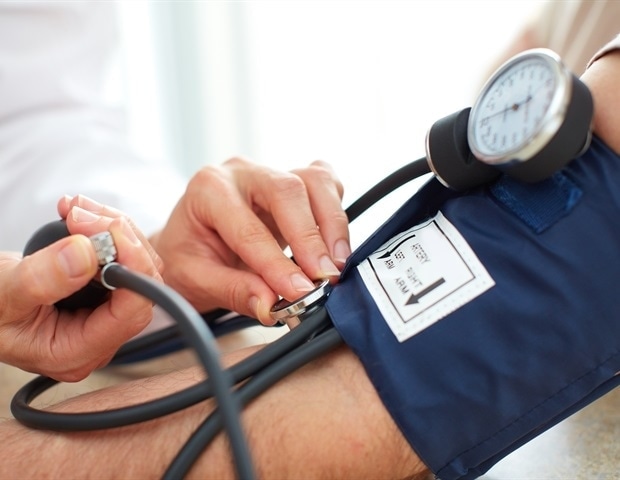
Key results:
- Lower-sodium DASH4D cut systolic pressure by 4.6 mmHg.
- Diastolic pressure fell by 2.3 mmHg.
- Most gains happened in the first three weeks.
Compared to a typical American diet, DASH4D brought clinically meaningful drops in blood pressure. For many, a 5 mmHg decline means fewer medications and lower risk of complications.
Why it matters: A simple diet change can improve heart health for diabetics. Foods high in fruits, vegetables, and low-fat dairy can help control both glucose and pressure. Talk to your dietitian or doctor about trying DASH4D. (Source: news-medical.net)
GLP-1 Agonists: Balancing Eye Health
GLP-1 receptor agonists are popular for blood sugar control and weight loss. Now studies suggest they may protect vision—but also carry risks.

Protective role:
- Cleveland Clinic research found GLP-1 drugs lower risk of dry age-related macular degeneration (AMD).
- They also reduced risk of wet AMD and open-angle glaucoma.
Risk warning:
- Another study linked GLP-1 agonists to higher rates of severe diabetic retinopathy.
- Rapid drops in blood sugar might worsen eye damage.
Why it matters: These findings show the need to monitor eye health. If you take GLP-1 medications like semaglutide or liraglutide, schedule regular eye exams. Let your eye doctor know about any vision changes. (Sources: Cleveland Clinic, cloudwaysapps.com)
Advances in Diabetes Research and Technology
From genetics to devices, today’s studies shed light on how to predict and manage complications:
- Brain and diabetes: Researchers found 129 shared genetic loci between Type 2 diabetes and subcortical brain structure changes. These genes act in fetal development, hinting at early interventions. (news-medical.net)
- Invisible wounds: A handheld device measures skin water loss to detect hidden diabetic foot wounds, improving closure definitions and preventing amputation. (cbsnews.com)
- Glucagon tracers: Stable glucagon tracers show how the body handles glucagon in Type 1 versus non-diabetics. This can refine dual hormone pump systems. (technologynetworks.com)
- GPR-120 and nephropathy: Lower GPR-120 levels in patients with diabetic kidney damage suggest a new biomarker for early detection and treatment. (cureus.com)
- Nerve cell death: Nageotte nodules link to sensory ganglia damage in diabetic neuropathy, opening paths for targeted nerve therapies. (cloudwaysapps.com)
- Insulin independence: After total pancreatectomy, patients needing less basal insulin at discharge are likelier to go insulin-free. Early counseling can set realistic goals. (Cleveland Clinic)
- Microbiota and foot ulcers: Imbalance of skin microbes in diabetic foot ulcers highlights new treatments with probiotics or antibacterials to boost healing. (frontiersin.org)
- Drug integration: Tandem Diabetes Care will integrate Abbott’s future glucose-ketone sensor with its automated insulin delivery systems, paving the way for smarter pumps. (businesswire.com)
- Delaying Type 1 onset: A trial of teplizumab in kids under 8 shows a two-year delay in clinical diabetes. Early immune therapy could transform care. (multicare.org)
Community in Action: Doniphan Diabetes Dash
On June 14, the Elsbury family will host the 8th Annual Doniphan Diabetes Dash in Nebraska. Their son, Hudson, uses an insulin pump to manage Type 1 diabetes. The event has raised over $45,000 for research and support programs. More than 280 participants and 25 sponsors are signed up this year.
Why it matters: Community runs remind us that we are stronger together. They raise awareness, fund care, and inspire families coping with diabetes.
Want extra cash for your unused diabetic supplies? Visit DiabeticSupplies.Online to sell your insulin pumps, test strips, and more. Get top dollar by mail order. Turn your surplus into money for what you really need.
FAQ – People Also Ask
How do I sell unused diabetic test strips for cash?
You can sell unused diabetic test strips online through mail-in programs. Companies like DiabeticSupplies.Online buy back sealed strips at top dollar. Just create an account, mail your strips, and receive payment.
Can a modified DASH diet help people with diabetes?
Yes. The DASH4D diet with lower sodium has been shown to lower systolic blood pressure by 4.6 mmHg in people with Type 2 diabetes. This reduces heart disease risk and may improve glucose control.
Are GLP-1 agonists safe for eye health?
They have mixed effects. Some studies suggest they lower the risk of macular degeneration, while others link them to worsening diabetic retinopathy. Regular eye exams are crucial if you use these drugs.
What new tools detect invisible diabetic wounds?
A handheld device that measures skin water loss can reveal hidden wounds. This helps doctors confirm true closure and prevent ulcers from returning, reducing amputation risk.
How does the Marvel comic help people with Type 1 diabetes?
By featuring a hero who uses the Omnipod 5 insulin pump, the comic promotes accurate representation and educates readers about advanced diabetic supplies. It fights stigma and inspires confidence.