This week, diabetes research hit a high note. Immunotherapy trials showed life-changing results for Type 1 diabetes. Artificial intelligence models flagged high-risk patients before symptoms. New studies also link popular drugs to eye health and point to simple diet swaps that boost remission. Here’s what every diabetic needs to know.
Novel Immunotherapies Offer Hope for Type 1 Diabetes
At the forefront is Zimislecel, a CAR-T cell therapy that targets the immune attack on beta cells. In a small trial, all 10 participants achieved insulin independence for a median of 12 months. The results, published in The Lancet, show durable remission of autoimmune diabetes. These patients went from multiple daily injections to none.
Another stem cell–based approach reported similar success. In a study in New England Journal of Medicine, 10 of 12 people treated with off-the-shelf stem cells regained their own insulin production. After one year, they no longer needed injections to manage blood glucose.
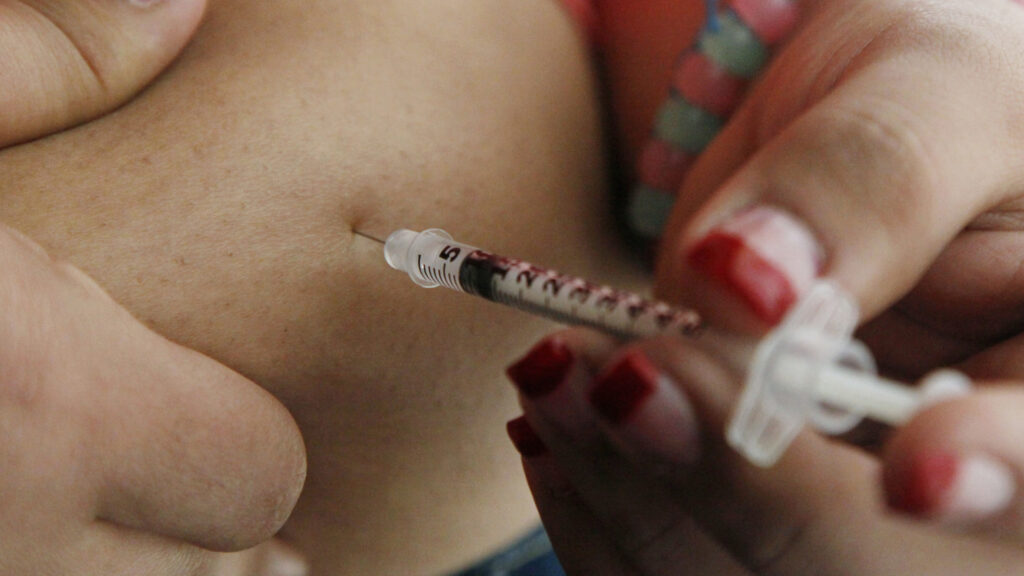
Why it matters:
- Insulin injections bring daily stress and risk. These therapies promise a life with far fewer injections.
- Long-term studies are underway. Early successes may lead to approved therapies within a few years.
- Insurance and cost models will need to adapt fast. Cutting-edge treatments often come with high price tags.
AI Predicts Type 1 Diabetes Before Onset
Researchers used artificial intelligence to sift through medical claims and lab tests. The models identified people at risk for Type 1 diabetes up to a year before clinical signs. One model flagged 80% of young patients correctly. Another had 92% accuracy in adults. Presented at the American Diabetes Association’s 85th Scientific Sessions, these findings could revolutionize screening protocols.
The second study used open claims data to heighten detection more than 18-fold. Early identification means more time to monitor, counsel, and enroll high-risk patients in prevention trials.
Why it matters:
- Screening can shift from reactive to proactive.
- AI tools can run in the background of electronic health systems.
- Earlier detection may protect residual beta cells with immunomodulatory treatments.
GLP-1 and Insulin Analogs: New Competitive Data
Gan & Lee Pharmaceuticals unveiled Phase 2 results of two novel therapies at ADA’s 85th meeting. prnewswire.com
- Bofanglutide (GZR18): An ultra-long-acting GLP-1 receptor agonist. It outperformed semaglutide in HbA1c drop and weight loss. Patients saw significant A1c reductions with few GI side effects.
- GZR4: A once-weekly basal insulin analog. It improved metabolic markers and showed strong tolerability.
Why it matters:
These drugs could expand advanced diabetic supplies options and offer new weekly injection routines.
Study Links GLP-1 Drugs to Retinopathy Risk
A new analysis found people on GLP-1 receptor agonists may face higher rates of diabetic retinopathy. The study pooled data from multiple cohorts and saw more eye-related complications.

Why it matters:
- Patients on these drugs should schedule regular ophthalmology exams.
- Clinicians may adjust treatment plans for those with pre-existing eye issues.
Endoscopic Electroporation Advances for Type 2 Diabetes
Endogenex reported promising results for ReCET, a non-thermogenic pulsed electric field (PEF) therapy to regenerate cells in the duodenal lining. The REGENT-1 trial showed:
- Better insulin sensitivity.
- Improved beta-cell function.
- Reduced glycemic variability on CGM.
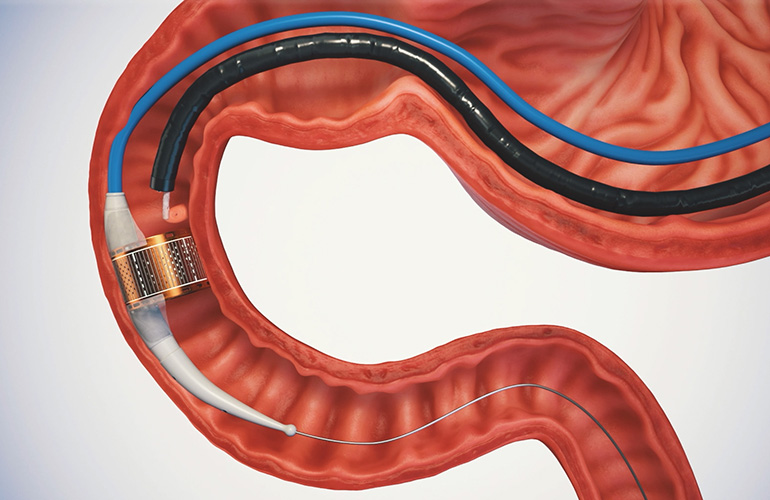
Why it matters:
This could be the first metabolic procedure with no incisions and durable benefits.
Simple Swaps: Water vs. Diet Soda
Women with Type 2 diabetes who replaced diet drinks with water doubled their remission rates. They also lost more weight and saw better blood sugar control.
Why it matters:
Drinking water is free. It’s an easy tip for anyone managing Type 2 diabetes.
Nutrition and Lifestyle: Managing Type 2 Diabetes
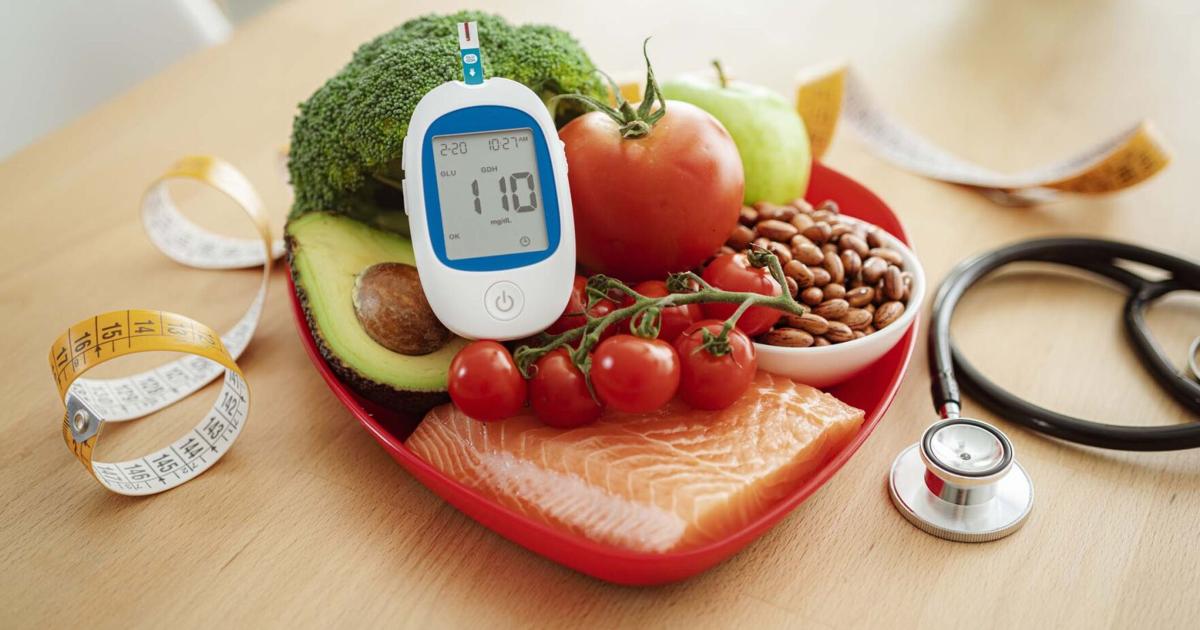
Type 2 diabetes affects 1 in 10 Americans. Key steps for prevention and management include:
- Healthy diet rich in high-fiber foods, low-carb meals, and balanced portions. (thecourierexpress.com)
- Regular exercise and weight management.
- Monitoring fasting blood sugar and A1c levels.
- Medication adherence and doctor visits every 3–6 months.
New Targets in Diabetic Complications
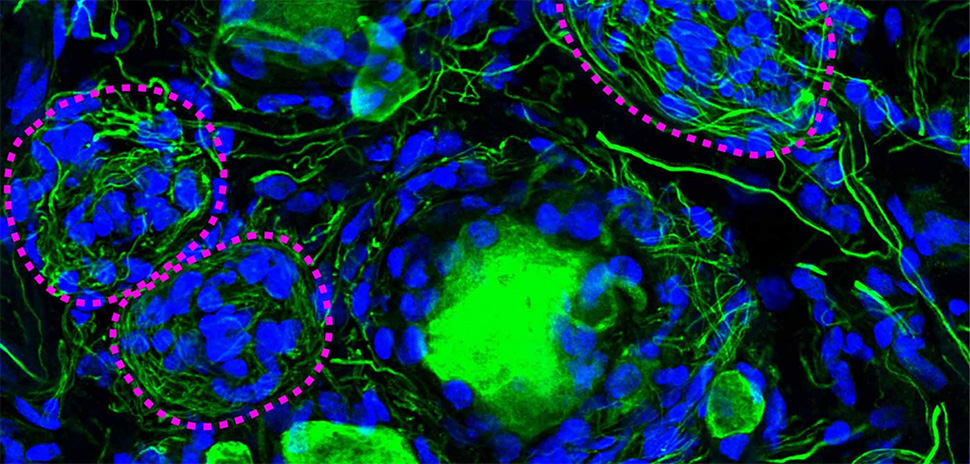
Researchers rediscovered Nageotte nodules—century-old clues in nerve tissue. These nodules may explain chronic pain in diabetic neuropathy and guide drug development.
Broader Insights: Cardiovascular and Kidney Health
In rats, astaxanthin showed promise against diabetic heart and kidney damage by reducing oxidative stress and improving ECG readings. (nature.com)
TyG-BMI, a combo of triglycerides, glucose, and body mass index, accurately predicted diabetic kidney disease in Type 2 patients without fatty liver. (frontiersin.org)
Targeting advanced glycation end products may slow intervertebral disc degeneration in diabetes. (frontiersin.org)
Community and Support
Youth with Type 1 diabetes found confidence and camaraderie at Ohio University’s Cat Camp. Activities like ropes courses and lab visits help kids thrive. (news.ohio.edu)
Sell Unused Diabetic Supplies for Cash
If you have extra test strips, CGM sensors, or insulin pens, you don’t have to toss them. DiabeticSupplies.Online buys unused diabetic supplies for cash via mail-in. Turn your unopened supplies into money today. Click here to sell your diabetic supplies for cash.
FAQ – People Also Ask
How do CAR-T immunotherapies work for Type 1 diabetes?
CAR-T therapies like Zimislecel modify immune cells to target the autoimmune attack on beta cells. Early trials show insulin independence for up to a year.
Can AI models really predict Type 1 diabetes?
Yes. New machine learning tools analyze medical claims and lab data to identify high-risk individuals up to a year before diagnosis, enabling early intervention.
Are GLP-1 drugs safe for eye health?
Some studies link GLP-1 agonists to higher retinopathy risk. Patients on these drugs should get regular eye exams and discuss concerns with their doctor.
What simple diet changes help with diabetes remission?
Swapping diet sodas for water can double remission rates in overweight women with Type 2. Drinking water supports weight loss and blood sugar control.
Where can I sell unused diabetic test strips?
DiabeticSupplies.Online is a trusted mail-in service that buys unopened test strips, CGM sensors, and other diabetic supplies for cash.